

pattern

North and West Africa Vocabulary - Egypt

Revize

Kartičky

tvary

Pravopis

Kvíz

Začněte se učit
North and West Africa Vocabulary
civilization
civilization
[Podstatné jméno]

a society that has developed its own culture and institutions in a particular period of time or place

civilizace, společnost
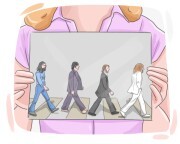
civilizace, společnost

Ex: Ancient Egypt is considered one of the greatest civilizations in history. 
iconic
iconic
[Přídavné jméno]

widely recognized and regarded as a symbol of a particular time, place, or culture

ikonský, symbolický

ikonský, symbolický

Ex: He gave an iconic performance that will be remembered for years. 
monument
monument
[Podstatné jméno]

a place or building that is historically important

památník
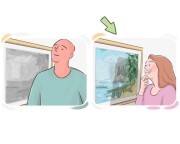
památník

Ex: The Eiffel Tower is a famous monument in Paris, attracting millions of tourists each year. 
fascinating
fascinating
[Přídavné jméno]

extremely interesting or captivating

fascinující, poutavý

fascinující, poutavý

Ex: The history of ancient civilizations is endlessly fascinating to archaeologists. 
crispy
crispy
[Přídavné jméno]

(of food) having a firm, dry texture that makes a sharp, crunching sound when broken or bitten

křupavý, chroupavý
křupavý, chroupavý

Ex: The fries were perfectly crispy on the outside and fluffy on the inside. 
mysterious
mysterious
[Přídavné jméno]

difficult or impossible to comprehend or explain

tajemný, záhadný

tajemný, záhadný

Ex: The disappearance of the ancient civilization remains mysterious, as archaeologists continue to uncover clues but struggle to piece together the full story. 
majestic
majestic
[Přídavné jméno]

impressive and noble, often with a grand or dignified appearance

majestátní, impozantní
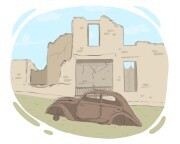
majestátní, impozantní

Ex: The majestic eagle soared through the sky with grace and power. 
ruin
ruin
[Podstatné jméno]

(plural) the remains of something such as a building after it has been seriously damaged or destroyed

trosky, zříceniny

trosky, zříceniny

Ex: They explored the ruins of an old castle during their trip. 
grand
grand
[Přídavné jméno]

magnificent in size and appearance

velkolepý, nádherný

velkolepý, nádherný

Ex: The grand waterfall cascaded down the mountainside, creating a breathtaking sight. 
temple
temple
[Podstatné jméno]

a building used for worshiping one or several gods, used by some religious communities, especially Buddhists and Hindus

chrám, svatyně

chrám, svatyně

Ex: They visited the ancient temple to offer prayers and seek blessings. 
depth
depth
[Podstatné jméno]

the state or quality of being profound, strong, or intense

hloubka, intenzita
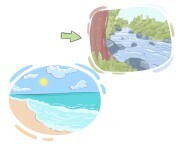
hloubka, intenzita

Ex: The depth of his anger was startling. 
fasting
fasting
[Podstatné jméno]

abstaining from food

půst, zdržení se jídla

půst, zdržení se jídla

freshwater
freshwater
[Podstatné jméno]

water that does not contain salt and is suitable for consumption

sladká voda, neslaná voda
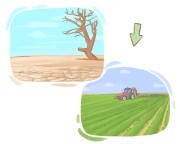
sladká voda, neslaná voda

fertile
fertile
[Přídavné jméno]

(of land or soil) able to produce crops or plants well

úrodný
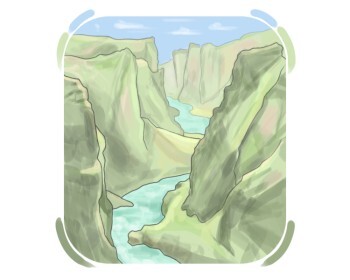
úrodný

Ex: The fertile soil in the valley yielded abundant harvests of wheat and corn each year. 
valley
valley
[Podstatné jméno]

a low area of land between mountains or hills, often with a river flowing through it

údolí, dolina

údolí, dolina

Ex: The sun set behind the hills, casting long shadows over the valley. 
landscape
landscape
[Podstatné jméno]

an area of scenery visible in a single view

krajina, panoráma

krajina, panoráma

Ex: The hikers admired the mountain landscape at sunrise. 
skyscraper
skyscraper
[Podstatné jméno]

a modern building that is very tall, often built in a city

mrakodrap, věž

mrakodrap, věž

Ex: The city skyline is dominated by a new skyscraper that towers over all the other buildings. 
bustling
bustling
[Přídavné jméno]

(of a place or environment) full of activity, energy, and excitement, often with a lot of people moving around and engaged in various tasks or social interactions

rušný, živý

rušný, živý

Ex: The bustling market was filled with vendors shouting, customers bargaining, and the aroma of fresh food. 
populated
populated
[Přídavné jméno]

(of an area or region) inhabited by many people or living beings

obydlený, hustě osídlený

obydlený, hustě osídlený

Ex: The city is highly populated, with over 10 million residents. 
surrounding
surrounding
[Přídavné jméno]

existing or situated all around something or someone

obklopující, sousední

obklopující, sousední

Ex: The surrounding hills provided a picturesque backdrop to the village. 
pharaoh
pharaoh
[Podstatné jméno]

a title used for ancient Egyptian rulers

faraon, vládce starověkého Egypta

faraon, vládce starověkého Egypta

Ex: The pharaohs of ancient Egypt were considered god-kings, ruling with absolute authority over their kingdom. 
artifact
artifact
[Podstatné jméno]

a man-made object, tool, weapon, etc. that was created in the past and holds historical or cultural significance

artefakt, lidský výtvor
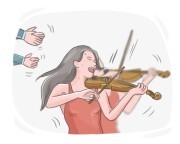
artefakt, lidský výtvor

Ex: Artifacts of early tool-making like stone knives and projectile points show the ingenuity and resourcefulness of Paleolithic humans. 
to demonstrate

to show clearly that something is true or exists by providing proof or evidence

demonstrovat, dokázat
demonstrovat, dokázat

Ex: The scientist demonstrated the effectiveness of the new drug through a series of experiments. 
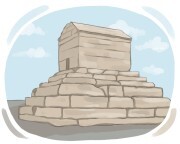
tomb
tomb
[Podstatné jméno]

an overground or underground grave that is large in size and is often made of stone

hrobka, hrob
hrobka, hrob

Ex: They placed flowers at the entrance of the tomb to honor their loved one. 
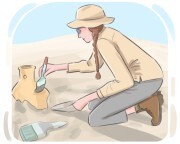
archeologist
archeologist
[Podstatné jméno]

a person whose job is to study ancient societies using facts, objects, buildings, etc. remaining in excavation sites

archeolog

archeolog

treasure
treasure
[Podstatné jméno]

accumulated wealth in the form of money or jewels etc.

poklad

poklad

mask
mask
[Podstatné jméno]

a covering worn on the face to hide identity or appearance

maska, krytí obličeje
maska, krytí obličeje

Ex: She wore a mask to the masquerade ball. 
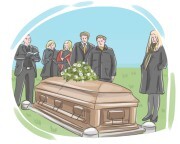
burial
burial
[Podstatné jméno]

the act of burying a dead body or the ceremony in which a dead body is buried

pohřeb, pohřbení
pohřeb, pohřbení

Ex: The burial took place at sunset in the family cemetery. 
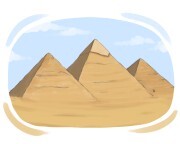
pyramid
pyramid
[Podstatné jméno]

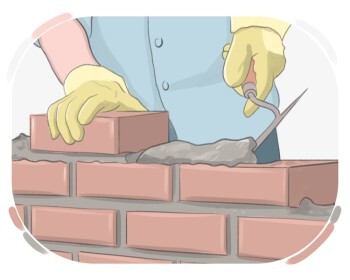
a stone monument built in ancient Egypt usually as a tomb for the pharaohs, which has a triangular or square base that slopes up to the top

pyramida, pyramidální památník
pyramida, pyramidální památník

Ex: Tourists flock to see the ancient pyramids in Egypt. 
to construct
to construct
[sloveso]

to build a house, bridge, machine, etc.

stavět, budovat

stavět, budovat

Ex: Engineers and construction workers collaborated to construct a sturdy and safe bridge. 
shiny
shiny
[Přídavné jméno]

bright and smooth in a way that reflects light

lesklý, zářivý

lesklý, zářivý

Ex: The newly waxed floors were shiny and smooth to the touch. 
limestone
limestone
[Podstatné jméno]

a hard gray or white rock that contains calcium and is used for making cement or as a building material

vápenec, vápenná hornina

vápenec, vápenná hornina

to shine
to shine
[sloveso]

to emit or reflect light or brightness

svítit, zářit

svítit, zářit

Ex: His shoes were so well-polished that they seemed to shine. 
brightly
brightly
[Příslovce]

in a manner that emits a strong or intense light

jasně, zářivě

jasně, zářivě

Ex: The sun rose brightly in the morning sky, bringing warmth to the day. 
to amaze
to amaze
[sloveso]

to greatly surprise someone

ohromit, udivit

ohromit, udivit

Ex: Her artistic talent never failed to amaze her friends. 
magnificent
magnificent
[Přídavné jméno]

extremely impressive and attractive

nádherný, velkolepý
nádherný, velkolepý

Ex: The bride looked absolutely magnificent in her flowing white gown as she walked down the aisle. 
detailed
detailed
[Přídavné jméno]

including many specific elements or pieces of information

podrobný, detailní

podrobný, detailní

Ex: The report provided a detailed analysis of the company's financial performance. 
carving
carving
[Podstatné jméno]

an object or pattern that is made by cutting solid material

řezba, socha

řezba, socha

open-air
open-air
[Přídavné jméno]

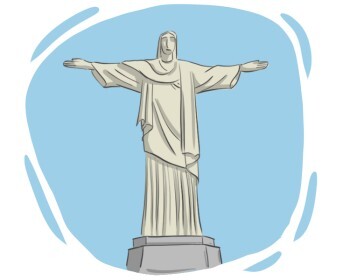
(of an area or space) situated outside and is not covered or enclosed in any way

na čerstvém vzduchu, otevřený
na čerstvém vzduchu, otevřený

Ex: The restaurant has an open-air terrace where diners can enjoy their meals with a view. 
statue
statue
[Podstatné jméno]

a large object created to look like a person or animal from hard materials such as stone, metal, or wood

socha, plastika

socha, plastika

Ex: The city square was adorned with a majestic statue of a heroic figure from its history. 
to fascinate
to fascinate
[sloveso]

to capture someone's interest or curiosity

fascinovat, okouzlit

fascinovat, okouzlit

Ex: The exotic animals at the zoo fascinate the children, sparking their curiosity. 
mythology
mythology
[Podstatné jméno]

a collection of ancient myths, particularly one that belongs to a group of people and their history, etc.

mytologie

mytologie

Ex: Greek mythology includes stories of gods, goddesses, and heroes such as Zeus, Athena, and Hercules. 
afterlife
afterlife
[Podstatné jméno]

a life that is believed to exist after death

posmrtný život, život po smrti
posmrtný život, život po smrti

Ex: Many ancient civilizations believed in an afterlife where souls lived on. 
to weigh
to weigh
[sloveso]

to discover how heavy someone or something is

vážit, měřit váhu

vážit, měřit váhu

Ex: The nurse will weigh the patient before their appointment. 
mummification
mummification
[Podstatné jméno]

embalmment and drying a dead body and wrapping it as a mummy

to preserve
to preserve
[sloveso]

to cause something to remain in its original state without any significant change

uchovat, zachovat

uchovat, zachovat

Ex: Historical artifacts are preserved in museums to maintain their original condition. 
to top
to top
[sloveso]

to add a covering or layer a dish, often to enhance its flavor or presentation

pokrýt, ozdobit

pokrýt, ozdobit

Ex: She decided to top the pasta with freshly grated Parmesan cheese for extra flavor. 
hieroglyphic
hieroglyphic
[Podstatné jméno]

a system of writing using symbols or pictures, originally used by the ancient Egyptians

hieroglyf, hieroglyfické písmo
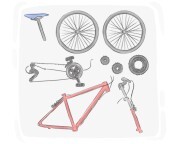
hieroglyf, hieroglyfické písmo

Ex: Understanding hieroglyphics requires knowledge of both the symbols and the context in which they were written. 
to consist of
to consist of
[sloveso]

to be formed from particular parts or things

skládat se z, být tvořen z

skládat se z, být tvořen z

Ex: The salad consists of fresh greens, tomatoes, and a zesty vinaigrette. 
inscription
inscription
[Podstatné jméno]

words, letters, or symbols that are engraved, carved, or written on a surface, often for commemorative, informational, or decorative purposes

nápis, rytina

nápis, rytina

Ex: The inscription on the ancient stone tablet provided clues about the civilization's language and customs. 
administrative
administrative
[Přídavné jméno]

related to the management and organization of tasks, processes, or resources within an organization or system

administrativní

administrativní

Ex: The administrative staff handles day-to-day operations in the office. 
script
script
[Podstatné jméno]

a system of writing or set of characters used for a particular language or orthography

písmo, písemný systém

písmo, písemný systém

Ex: Cyrillic is a script used in Russian and other languages. 
scholar
scholar
[Podstatné jméno]

someone who has a lot of knowledge about a particular subject, especially in the humanities

učenec, vědec

učenec, vědec

Ex: The conference featured a renowned scholar who spoke about ancient Greek philosophy. 
to unlock
to unlock
[sloveso]

to make something available, accessible, or open up for use or access

odemknout, otevřít

odemknout, otevřít

Ex: The scholarship program aims to unlock educational opportunities for underprivileged students. 
dialect
dialect
[Podstatné jméno]

the spoken form of a language specific to a certain region or people which is slightly different from the standard form in words and grammar

nářečí, dialekt

nářečí, dialekt

Ex: A dialect is a variety of a language spoken by a particular group of people, characterized by unique vocabulary, grammar, and pronunciation. 
communication
communication
[Podstatné jméno]

the process or activity of exchanging information or expressing feelings, thoughts, or ideas by speaking, writing, etc.

komunikace, výměna

komunikace, výměna

Ex: Good communication is key to a successful relationship. 
hospitality
hospitality
[Podstatné jméno]

kindness in welcoming guests or strangers

pohostinnost

pohostinnost

to vary
to vary
[sloveso]

to differ or deviate from a standard or expected condition

lišit se, měnit se

lišit se, měnit se

Ex: The results of the experiment vary significantly from the predicted outcomes, indicating unexpected factors at play. 
hijab
hijab
[Podstatné jméno]

a religious piece of clothing, worn by some Muslim women in public, covering the head and neck

hidžáb

hidžáb

lively
lively
[Přídavné jméno]

(of music, movement, etc.) quick, spirited, and exciting

živý, čilý

živý, čilý

Ex: The band played a lively tune. 
rhythmic
rhythmic
[Přídavné jméno]

having a pattern or regular sequence of sounds, movements, or events

rytmický, pravidelný
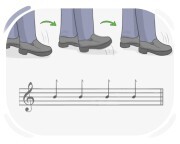
rytmický, pravidelný

Ex: The rhythmic tapping of the drum set the pace for the band. 
beat
beat
[Podstatné jméno]

a piece of music's or a poem's main rhythm

rytmus, tep
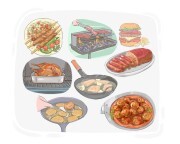
rytmus, tep

Ex: The drummer sets the beat for the band, establishing the tempo and rhythm of the song. 
cuisine
cuisine
[Podstatné jméno]

a method or style of cooking that is specific to a country or region

kuchyně

kuchyně

Ex: They sampled a variety of Asian cuisine, including sushi, dim sum, and curry. 
calendar
calendar
[Podstatné jméno]

‌a system that measures and divides the year into specified periods

kalendář, almanach

kalendář, almanach

Ex: They followed a lunar calendar to determine the dates of traditional festivals. 
cycle
cycle
[Podstatné jméno]

a regularly repeating sequence or period of events

cyklus, období
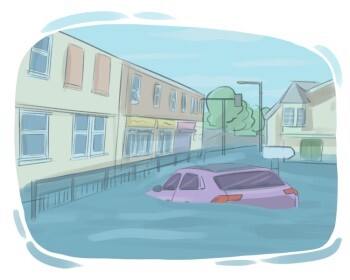
cyklus, období

Ex: Day and night form a daily cycle. 
flood
flood
[Podstatné jméno]

the rising of a body of water that covers dry places and causes damage

povodeň, potopa

povodeň, potopa

Ex: After the flood, many people were left homeless. 
harvest
harvest
[Podstatné jméno]

the season or period during which crops are collected from the fields

sklizeň, žně

sklizeň, žně

Ex: The harvest season in this region lasts from August to October. 
LanGeek
Stáhnout aplikaci LanGeek