
Vocabulario de África del Norte y Occidental - Egipto
Revisión
Tarjetas de memoria
formas
Ortografía
Cuestionario


a society that has developed its own culture and institutions in a particular period of time or place

civilización
Muchos aspectos de la civilización griega influyen en la filosofía y el arte contemporáneos.
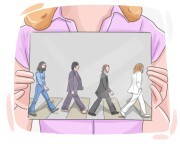
widely recognized and regarded as a symbol of a particular time, place, or culture
simbólico
La portada icónica del álbum de los Beatles "Abbey Road" es emblemática en la historia de la música.
an old building, structure, or site preserved or valued for its historical importance
monumento
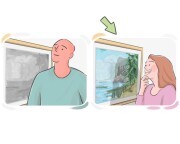
extremely interesting or captivating
fascinante
Los intrincados detalles de la obra de arte la hacen fascinante de estudiar.
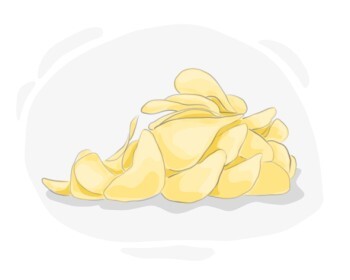
(of food) having a firm, dry texture that makes a sharp, crunching sound when broken or bitten
crujiente, crocante
El tocino crujiente chisporroteaba en la sartén, liberando su aroma sabroso.
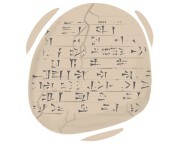
difficult or impossible to comprehend or explain
misterioso
El mensaje codificado encontrado en el viejo diario era misterioso, su significado eludiendo el descifrado durante décadas.

impressive and noble, often with a grand or dignified appearance
majestuoso, imponente
La majestuosa catedral se erigía como un símbolo de fe y reverencia en la ciudad.
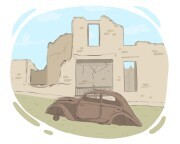
the remains of a building, town, or other structure that has been destroyed or fallen into decay
ruinas

magnificent in size and appearance
grandioso, imponente
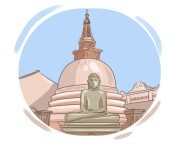
a building used for religious worship, especially in religions such as Hinduism and Buddhism
templo
the state or quality of being profound, strong, or intense
profundidad, intensidad
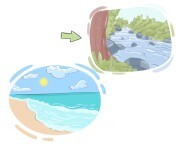
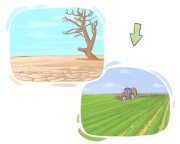
(of land or soil) able to produce crops or plants well
fértil
Las antiguas civilizaciones se asentaron cerca de valles fluviales fértiles, donde podían cultivar y mantener a grandes poblaciones.
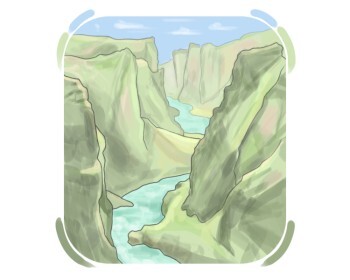
a low area of land between mountains or hills, often with a river flowing through it
valle

an area of scenery visible in a single view
paisaje
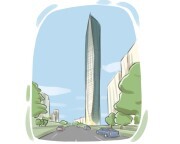
a modern building that is very tall, often built in a city
rascacielos
El arquitecto diseñó un rascacielos futurista con fachadas de vidrio.
(of a place or environment) full of activity, energy, and excitement, often with a lot of people moving around and engaged in various tasks or social interactions
bullicioso, animado
El café bullicioso estaba lleno de estudiantes estudiando, amigos charlando y baristas preparando café.
(of an area or region) inhabited by many people or living beings
poblado, habitado
El parque estaba lleno, pero la sección más poblada estaba cerca de la entrada.
existing or situated all around something or someone
circundante, alrededor
Ella admiraba la belleza del campo circundante mientras conducía.
a title used for ancient Egyptian rulers
faraón
El faraón Ramsés II es conocido por sus campañas militares y sus proyectos de construcción monumentales, incluidos los templos de Abu Simbel.
a man-made object, tool, weapon, etc. that was created in the past and holds historical or cultural significance
artefacto
Cada artefacto en la exhibición contaba una historia sobre la civilización que lo creó.
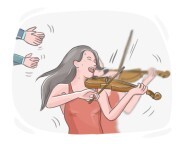
to show clearly that something is true or exists by providing proof or evidence
probar
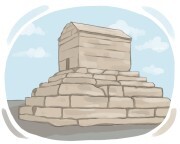
an overground or underground grave that is large in size and is often made of stone
tumba
Los visitantes vinieron de todas partes para ver el famoso tumba real.
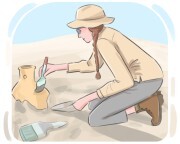
a person whose job is to study ancient societies using facts, objects, buildings, etc. remaining in excavation sites
arqueólogo

valuable objects or wealth, especially money, precious metals, or jewels that have been collected or stored
tesoro, riqueza

a covering worn over all or part of the face to hide someone's identity or change their appearance
máscara, careta
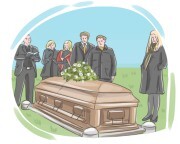
the act of burying a dead body or the ceremony in which a dead body is buried
entierro
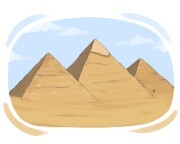
a stone monument built in ancient Egypt usually as a tomb for the pharaohs, which has a triangular or square base that slopes up to the top
pirámide
Los científicos todavía estudian cómo las civilizaciones antiguas construyeron sus pirámides.
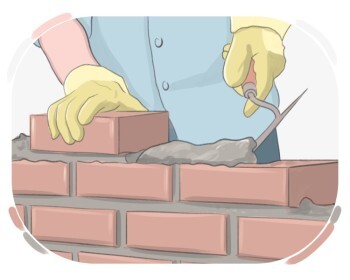
to build a house, bridge, machine, etc.
construir

bright and smooth in a way that reflects light
brillante
La superficie brillante del suelo de mármol pulido reflejaba las luces del techo.
a hard gray or white rock that contains calcium and is used for making cement or as a building material
caliza, piedra caliza
to reflect light and appear bright or glossy
brillar, relucir
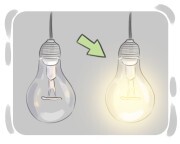
in a manner that emits a strong or intense light
brillantemente, resplandecientemente
Las linternas iluminaron brillantemente el jardín para la celebración nocturna.

to greatly surprise someone
asombrar, pasmar
El giro inesperado de la trama del libro asombró a los lectores.

extremely impressive and attractive
magnífico, espléndido
Su magnífica sonrisa iluminó la habitación, llevando alegría a todos los que la rodeaban.
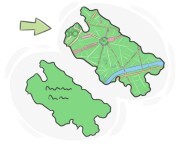
including many specific elements or pieces of information
detallado
Sus instrucciones para ensamblar los muebles eran muy detalladas, con ilustraciones paso a paso.
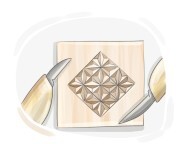
(of an area or space) situated outside and is not covered or enclosed in any way
al aire libre, a cielo abierto
La ciudad tiene varios gimnasios al aire libre, lo que permite a las personas hacer ejercicio al aire libre.
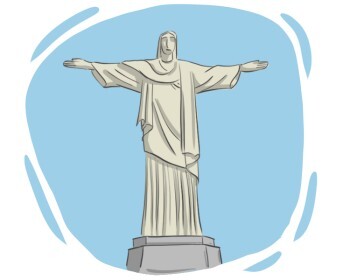
a three-dimensional figure of a person or animal, typically made from a hard material such as stone, metal, or wood
estatua
to capture someone's interest or curiosity
fascinar, cautivar
El documental histórico fascinó a los espectadores con su exploración en profundidad de eventos pasados.
a collection of ancient myths, particularly one that belongs to a group of people and their history, etc.
mitología
Muchas culturas alrededor del mundo tienen su propia mitología, explicando fenómenos naturales y los orígenes de sus sociedades.
a life that is believed to exist after death
otra vida, vida de ultratumba
La película explora diferentes interpretaciones culturales del más allá.

to measure how heavy someone or something is
pesar
the preservation of a dead body by embalming, drying, and often wrapping it
momificación

to cause something to remain in its original state without any significant change
preservar
to add a covering or layer a dish, often to enhance its flavor or presentation
cubrir, adornar
a system of writing using symbols or pictures, originally used by the ancient Egyptians
jeroglífico
Los expertos del museo fueron llamados para interpretar los jeroglíficos en el artefacto recién descubierto.
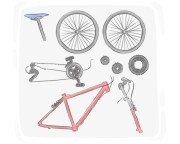
to be formed from particular parts or things
consistir en
La novela consiste en tres tramas principales que se entrelazan a lo largo de la narrativa.
words, letters, or symbols that are engraved, carved, or written on a surface, often for commemorative, informational, or decorative purposes
inscripción, grabado
El reloj de bolsillo antiguo tenía una inscripción personalizada en la parte posterior, lo que lo marcaba como una reliquia querida.

related to the management and organization of tasks, processes, or resources within an organization or system
administrativo
a set of written characters used to represent a language

a person who has extensive knowledge of or conducts serious study in a particular academic subject
erudito, sabio
to make something available, accessible, or open up for use or access
desbloquear, abrir
La expansión de la empresa en nuevos mercados desbloqueó oportunidades de negocio.

the spoken form of a language specific to a certain region or people which is slightly different from the standard form in words and grammar
dialecto
Los dialectos sociales, como los sociolectos y los etnolectos, pueden estar influenciados por factores como la clase social, la etnia o el nivel educativo.

the process or activity of exchanging information or expressing feelings, thoughts, or ideas by speaking, writing, etc.
comunicación

to differ or deviate from a standard or expected condition
variar, diferir

a religious piece of clothing, worn by some Muslim women in public, covering the head and neck
hijab, hiyab
quick, energetic, and spirited in movement or sound
having a pattern or regular sequence of sounds, movements, or events
rítmico, cadencioso
Los aplausos y los pisotones en el concierto añadieron una energía rítmica a la música.
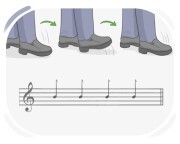
a piece of music's or a poem's main rhythm
ritmo
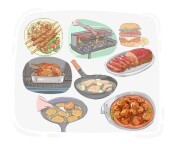
a method or style of cooking that is specific to a country or region
cocina
Disfrutó probando diferentes tipos de cocina mientras viajaba, desde la italiana hasta la tailandesa.

a system for organizing and measuring time by dividing it into years, months, weeks, and days
calendario
a regularly repeating sequence or period of events
ciclo, período
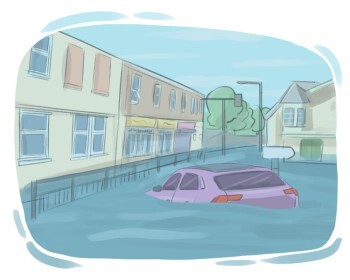
an overflow of water that covers land that is normally dry
inundación
the time of year when ripe crops are gathered
cosecha
