
pattern

Klíčová Slovní Zásoba Bojových Sportů - Hapkido

Revize

Kartičky

tvary

Pravopis

Kvíz

Začněte se učit
Key Combat Sports Vocabulary
hapkido
hapkido
[Podstatné jméno]

a Korean martial art that focuses on joint locks, throws, and strikes for self-defense

hapkido, korejské bojové umění zaměřené na zámky kloubů

hapkido, korejské bojové umění zaměřené na zámky kloubů

Ex: She used her hapkido training to effectively defend herself in a real-life situation .

Použila svůj výcvik v hapkidu, aby se účinně bránila v reálné situaci.
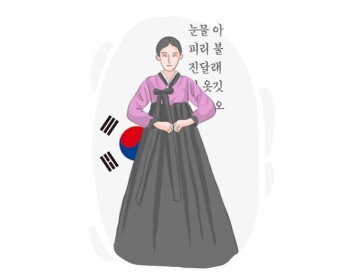
Korean
Korean
[Přídavné jméno]

relating to the country, people, culture, or language of Korea

korejský

korejský

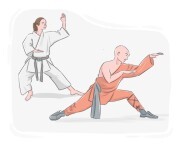
martial arts
martial arts
[Podstatné jméno]

any type of sports that include fighting which are especially originated in the Far East, such as judo, kung fu, etc.

bojová umění, bojové sporty

bojová umění, bojové sporty

Ex: Martial arts tournaments attract competitors from around the world to showcase their skills and techniques .

Turnaje v bojových uměních přitahují soutěžící z celého světa, aby předvedli své dovednosti a techniky.
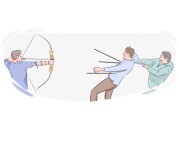
to protect
to protect
[sloveso]

to prevent someone or something from being damaged or harmed

chránit, zachovat

chránit, zachovat

Ex: Troops have been sent to protect aid workers against attack .

Byly vyslány jednotky, aby chránily pracovníky humanitární pomoci před útoky.

punch
punch
[Podstatné jméno]

a hit or strike made with a closed fist, especially in boxing

úder pěstí, rána

úder pěstí, rána

Ex: The match ended after one decisive punch.

Zápas skončil po jednom rozhodujícím úderu.

kick
kick
[Podstatné jméno]

the act of delivering a blow with the foot

kopnutí, úder nohou

kopnutí, úder nohou

throw
throw
[Podstatné jméno]

a technique used to off-balance, lift, or propel an opponent to the ground, scoring points or achieving a dominant position

hod, technika hodu

hod, technika hodu

Ex: The MMA fighter used a sacrifice throw to transition into an armbar submission .

Bojovník MMA použil obětovací hod, aby přešel k páce na ruku.

joint lock
joint lock
[Podstatné jméno]

a grappling technique that hyperextends, twists, or compresses a joint to force submission or control an opponent, commonly used in martial arts like judo, jiu-jitsu, or MMA

kloubový zámek, technika kloubového zámku

kloubový zámek, technika kloubového zámku

Ex: Overusing joint locks in training can lead to chronic injuries if not done carefully .

Nadměrné používání zámků kloubů při tréninku může vést k chronickým zraněním, pokud se neprovádí opatrně.
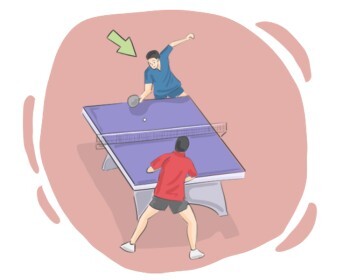
opponent
opponent
[Podstatné jméno]

someone who plays against another player in a game, contest, etc.

protivník, soupeř
protivník, soupeř

Ex: Her main opponent in the competition was known for their quick decision-making .

Její hlavní soupeř v soutěži byl známý svým rychlým rozhodováním.

energy
energy
[Podstatné jméno]

the physical and mental strength required for activity, work, etc.

energie, síla

energie, síla

Ex: The kids expended their energy at the playground .

Děti vynaložily svou energii na hřišti.

century
century
[Podstatné jméno]

a period of one hundred years

století, sto let

století, sto let

Ex: This ancient artifact dates back to the 7th century.

Tento starověký artefakt sahá až do 7. století.

founder
founder
[Podstatné jméno]

someone who starts or creates something like a company or organization

zakladatel, zakladatelka

zakladatel, zakladatelka

Ex: The founder of the organization was passionate about helping children .

Zakladatel organizace byl vášnivý v pomoci dětem.

japan
japan
[Podstatné jméno]

a country that is in East Asia and made up of many islands

Japonsko

Japonsko

Ex: Japan's public transportation system is known for its efficiency and punctuality, especially the Shinkansen bullet trains.

Veřejná dopravní síť Japonska je známá svou efektivitou a přesností, zejména vlaky Shinkansen.

style
style
[Podstatné jméno]

the manner in which something takes place or is accomplished

styl, způsob
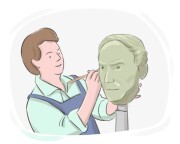
styl, způsob

Ex: They debated which style of leadership would be most effective .

Diskutovali o tom, který styl vedení by byl nejúčinnější.

to create
to create
[sloveso]

to bring something into existence or make something happen

vytvořit, založit

vytvořit, založit

Ex: The artist decided to create a sculpture from marble .

Umělec se rozhodl vytvořit sochu z mramoru.

to improve
to improve
[sloveso]

to make a person or thing better

zlepšit, zdokonalit
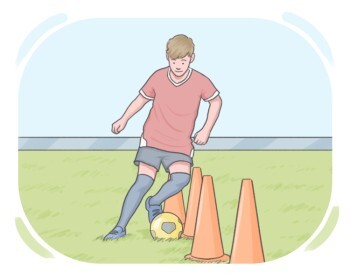
zlepšit, zdokonalit

Ex: She took workshops to improve her language skills for career advancement .

Absolvovala workshopy, aby zlepšila své jazykové dovednosti pro kariérní postup.

to practice
to practice
[sloveso]

to do or play something many times to become good at it

cvičit, trénovat

cvičit, trénovat

Ex: The tennis player practiced serving and volleying for hours to refine their game before the tournament .

Tenisista procvičoval podání a volej po celé hodiny, aby zdokonalil svou hru před turnajem.

to control
to control
[sloveso]

to reduce the strength of something or keep it within limits

ovládat, omezit
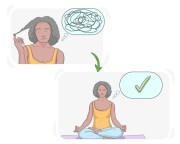
ovládat, omezit

Ex: The teacher helped the students control their anxiety before the big test .

Učitel pomohl studentům ovládat jejich úzkost před velkým testem.

to hurt
to hurt
[sloveso]

to cause injury or physical pain to yourself or someone else

zranit, způsobit bolest
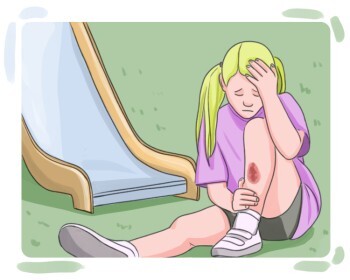
zranit, způsobit bolest

Ex: She was running and hurt her thigh muscle .

Běhala a poranila si sval na stehně.

mind
mind
[Podstatné jméno]

the ability in a person that makes them think, feel, or imagine

mysl,  intelekt

mysl, intelekt

Ex: Reading stimulates the mind and broadens one 's perspective .

Čtení stimuluje mysl a rozšiřuje perspektivu.

focus
focus
[Podstatné jméno]

the act of directing your attention and energy toward a particular thing or task

soustředění,  pozornost

soustředění, pozornost

Ex: The students ' lack of focus in class was evident as they struggled to complete their assignments on time .

Nedostatek soustředění studentů ve třídě byl zřejmý, když se snažili dokončit své úkoly včas.

discipline
discipline
[Podstatné jméno]

the personal quality of behaving properly and keeping one's actions under control

sebekázeň, osobní disciplína
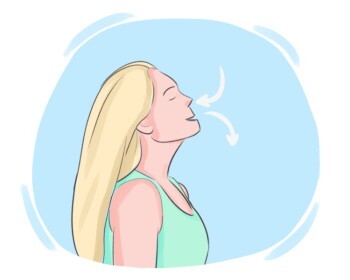
sebekázeň, osobní disciplína

Ex: Classroom discipline improved after new guidelines .

Kázeň ve třídě se zlepšila po nových směrnicích.

breathing
breathing
[Podstatné jméno]

the action of taking air into the lungs and sending it out again

dýchání,  dech

dýchání, dech

Ex: Yoga exercises can help improve your breathing and reduce stress .

Jógová cvičení mohou pomoci zlepšit vaše dýchání a snížit stres.

calm
calm
[Přídavné jméno]

not showing worry, anger, or other strong emotions

klidný, vyrovnaný

klidný, vyrovnaný

Ex: Even when criticized , he responded in a calm and collected manner .

I když byl kritizován, reagoval klidně a soustředěně.

respect
respect
[Podstatné jméno]

admiration for someone or something because of their achievements, qualities, etc.

úcta

úcta

to bow
to bow
[sloveso]

to bend the head or move the upper half of the body forward to show respect or as a way of greeting

poklonit se, ucuknout

poklonit se, ucuknout

Ex: In the dojo , students were taught not only how to fight but also how to bow as a mark of mutual respect .

V dojo se studenti učili nejen bojovat, ale také se klanět jako znak vzájemného respektu.

teacher
teacher
[Podstatné jméno]

someone who teaches things to people, particularly in a school

učitel, lektor

učitel, lektor

Ex: To enhance our learning experience , our teacher organized a field trip to the museum .

Abychom zlepšili naši učební zkušenost, náš učitel zorganizoval výlet do muzea.

classmate
classmate
[Podstatné jméno]

someone who is or was in the same class as you at school or college

spolužák, kolega ze třídy

spolužák, kolega ze třídy

Ex: The teacher encouraged collaboration among classmates to foster a supportive learning community .

Učitel podporoval spolupráci mezi spolužáky, aby podpořil podpůrnou učící se komunitu.

beginner
beginner
[Podstatné jméno]

someone who has just started to learn or do something; a person who is new to a field or activity

začátečník, nováček

začátečník, nováček

white belt
white belt
[Podstatné jméno]

a belt that signifies a beginner's rank in martial arts, indicating the starting level of proficiency

bílý pásek, začátečnická úroveň

bílý pásek, začátečnická úroveň

Ex: He placed his white belt in his gym bag after a long day of training .

Po dlouhém dni tréninku si dal svůj bílý pásek do tašky do posilovny.

belt
belt
[Podstatné jméno]

a rank-indicating strip of cloth worn around the waist in martial arts

pás, hodnost

pás, hodnost

Ex: The karate school held a belt ceremony where students received their new belts based on performance and dedication .

Škola karate uspořádala obřad pásů, kde studenti obdrželi své nové pásky na základě výkonu a oddanosti.

black belt
black belt
[Podstatné jméno]

a belt that signifies a high rank or level of proficiency achieved through training and testing in martial arts

černý pás, stupeň černého pásu

černý pás, stupeň černého pásu

Ex: They celebrated their son 's achievement of earning a junior black belt.

Oslavili úspěch svého syna, který získal juniorský černý pás.

year
year
[Podstatné jméno]

a period of time that is made up of twelve months, particularly one that starts on January first and ends on December thirty-first

rok, léto
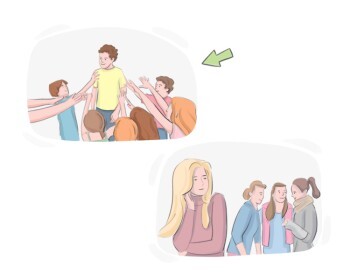
rok, léto

Ex: The year is divided into twelve months , with each month having its own unique characteristics .

Rok je rozdělen na dvanáct měsíců, každý měsíc má své vlastní jedinečné charakteristiky.

popular
popular
[Přídavné jméno]

receiving a lot of love and attention from many people

populární, milovaný

populární, milovaný

Ex: His songs are popular because they are easy to dance to .

Jeho písně jsou populární, protože se k nim snadno tančí.

self-defense
self-defense
[Podstatné jméno]

the actions taken by an individual to protect themselves or their property from harm or damage

sebeobrana, osobní obrana

sebeobrana, osobní obrana

Ex: He claimed self-defense after being attacked .

Po napadení tvrdil sebeobranu.

tradition
tradition
[Podstatné jméno]

an established way of thinking or doing something among a specific group of people

tradice, zvyk

tradice, zvyk

Ex: Some traditions are deeply rooted in cultural or religious practices .

Některé tradice jsou hluboce zakořeněny v kulturních nebo náboženských praktikách.

LanGeek
Stáhnout aplikaci LanGeek