
pattern

Vocabulario Clave de los Deportes de Combate - Hapkido

Revisión

Tarjetas de memoria

formas

Ortografía

Cuestionario

Empezar a aprender
Key Combat Sports Vocabulary
hapkido
hapkido
[Sustantivo]

a Korean martial art that focuses on joint locks, throws, and strikes for self-defense

hapkido, un arte marcial coreano que se enfoca en llaves articulares

hapkido, un arte marcial coreano que se enfoca en llaves articulares

Ex: The hapkido instructor demonstrated a variety of striking techniques. 

El instructor de hapkido demostró una variedad de técnicas de golpeo.
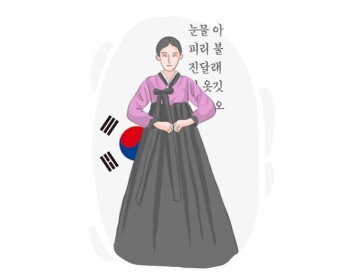
Korean
Korean
[Adjetivo]

relating to North or South Korea, their people, culture, or language

coreano
coreano

Ex: Daniel is studying Korean history at university. 
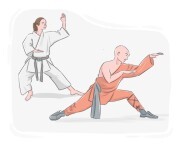
martial arts
martial arts
[Sustantivo]

any type of sports that include fighting which are especially originated in the Far East, such as judo, kung fu, etc.

arte marcial

arte marcial

Ex: The dojo offers classes in a wide range of martial arts, including taekwondo, kung fu, and judo. 

El dojo ofrece clases en una amplia gama de artes marciales, incluyendo taekwondo, kung fu y judo.
to protect
to protect
[Verbo]

to prevent someone or something from being damaged or harmed

proteger

proteger

Ex: Our aim is to protect the jobs of our members. 
punch
punch
[Sustantivo]

a hard hit made with a closed fist

puñetazo,  golpe
puñetazo, golpe

Ex: She threw a punch at the man who grabbed her. 
kick
kick
[Sustantivo]

the act of delivering a blow with the foot

patada, golpe con el pie

patada, golpe con el pie

Ex: She landed a kick to her opponent's leg. 
throw
throw
[Sustantivo]

a technique used to off-balance, lift, or propel an opponent to the ground, scoring points or achieving a dominant position

proyección, técnica de proyección

proyección, técnica de proyección

Ex: In Greco-Roman wrestling, leg grabs are banned, so throws rely on upper-body leverage. 
joint lock
joint lock
[Sustantivo]

a grappling technique that hyperextends, twists, or compresses a joint to force submission or control an opponent, commonly used in martial arts like judo, jiu-jitsu, or MMA

llave articular, bloqueo articular

llave articular, bloqueo articular

Ex: She escaped the joint lock by rolling with the pressure before her shoulder was fully immobilized. 

Ella escapó del bloqueo articular rodando con la presión antes de que su hombro quedara completamente inmovilizado.
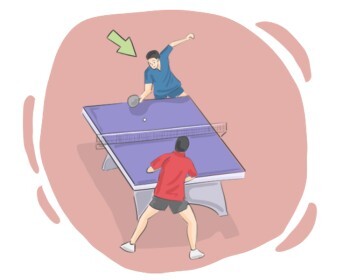
opponent
opponent
[Sustantivo]

someone who plays against another player in a game, contest, etc.

adversario, oponente
adversario, oponente

Ex: The team prepared strategies to counter their strongest opponent. 
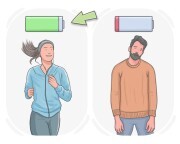
energy
energy
[Sustantivo]

the physical and mental strength required for activity, work, etc.

energía

energía

Ex: I need a cup of coffee to boost my energy. 
century
century
[Sustantivo]

a period of one hundred years

siglo, centuria

siglo, centuria

Ex: The city celebrated its third century of existence last year. 
founder
founder
[Sustantivo]

a person who establishes an organization, business, institution, or other undertaking

fundador,  fundadora

fundador, fundadora

Ex: As one of the organization's founders, Michael still serves on its board. 
japan
japan
[Sustantivo]

a country that is in East Asia and made up of many islands

Japón

Japón

Ex: Japan has a rich culinary heritage, famous for sushi, ramen, and tempura. 

Japón tiene una rica herencia culinaria, famosa por el sushi, el ramen y el tempura.

style
style
[Sustantivo]

the manner in which something takes place or is accomplished

estilo
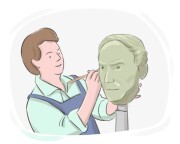
estilo

Ex: The building was restored in its original architectural style. 
to create
to create
[Verbo]

to bring something into existence or make something happen

crear

crear

Ex: The scientists created a groundbreaking vaccine for the disease. 
to improve
to improve
[Verbo]

to make a person or thing better

mejorar, aumentar
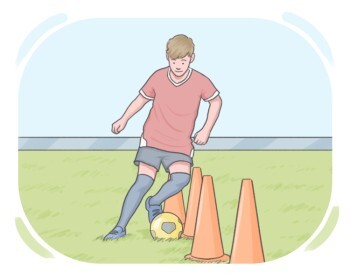
mejorar, aumentar

Ex: The renovations are expected to improve the appearance of the old building. 
to practice

to do or play something many times to become good at it

practicar

practicar

Ex: In preparation for the upcoming exam, students are advised to practice solving a variety of questions and problems. 
to control
to control
[Verbo]

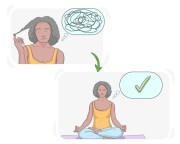
to reduce the strength of something or keep it within limits

controlar, dominar
controlar, dominar

Ex: The government implemented measures to control the spread of the virus. 
to hurt
to hurt
[Verbo]

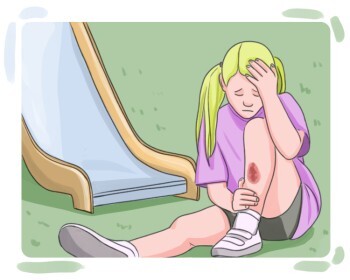
to cause injury or physical pain to yourself or someone else

hacer daño, lastimar
hacer daño, lastimar

Ex: I hurt my back lifting that heavy box. 
mind
mind
[Sustantivo]

the ability in a person that makes them think, feel, or imagine

mente

mente

Ex: His sharp mind allowed him to excel in academic pursuits. 
focus
focus
[Sustantivo]

the act of directing your attention and energy toward a particular thing or task

foco

foco

Ex: Meditation helps to improve mental focus and clarity by training the mind to concentrate on the present moment. 
discipline
discipline
[Sustantivo]

the personal quality of behaving properly and keeping one's actions under control

autodisciplina, disciplina personal

autodisciplina, disciplina personal

Ex: She maintained discipline even under pressure. 
breathing
breathing
[Sustantivo]

the action of taking air into the lungs and sending it out again

respiración

respiración

Ex: The athlete's fast breathing showed the intensity of the race. 

La respiración rápida del atleta mostraba la intensidad de la carrera.

calm
calm
[Adjetivo]

not showing worry, anger, or other strong emotions

tranquilo, calmado

tranquilo, calmado

Ex: The calm expression on her face masked any inner turmoil she might have felt. 
respect
respect
[Sustantivo]

admiration for someone or something because of their achievements, qualities, etc.

respeto
respeto

Ex: His courage won the respect of everyone in the room. 
to bow
to bow
[Verbo]

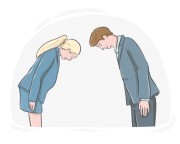
to bend the head or upper body forward as a gesture of respect, greeting, thanks, or acknowledgment

inclinarse, hacer una reverencia
inclinarse, hacer una reverencia

Ex: Daniel bowed his head respectfully during the ceremony. 
teacher
teacher
[Sustantivo]

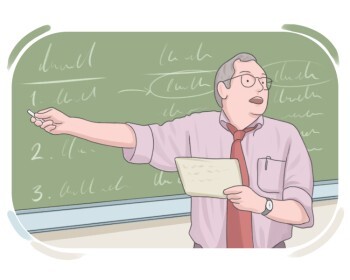
someone who teaches things to people, particularly in a school

profesor

profesor

Ex: The teacher corrected my mistake and explained the correct solution. 
classmate
classmate
[Sustantivo]

someone who is or was in the same class as you at school or college

compañero de clase

compañero de clase

Ex: She became close friends with her classmate after working on a group project together. 

Se hizo muy amiga de su compañero de clase después de trabajar juntos en un proyecto grupal.

beginner
beginner
[Sustantivo]

someone who has just started to learn or do something; a person who is new to a field or activity

principiante

principiante

white belt
white belt
[Sustantivo]

a belt that signifies a beginner's rank in martial arts, indicating the starting level of proficiency

cinturón blanco, grado blanco

cinturón blanco, grado blanco

Ex: He tied his white belt in a neat knot, ready for practice. 

Ató su cinturón blanco en un nudo pulcro, listo para practicar.

belt
belt
[Sustantivo]

a colored band worn in some martial arts to indicate a practitioner's rank or level

cinturón,  cinturón de rango

cinturón, cinturón de rango

Ex: Students line up according to their belt level. 
black belt
black belt
[Sustantivo]

a belt that signifies a high rank or level of proficiency achieved through training and testing in martial arts

cinturón negro, grado de cinturón negro

cinturón negro, grado de cinturón negro

Ex: The dojo held a ceremony to award black belts to their students. 

El dojo realizó una ceremonia para otorgar cinturones negros a sus estudiantes.

year
year
[Sustantivo]

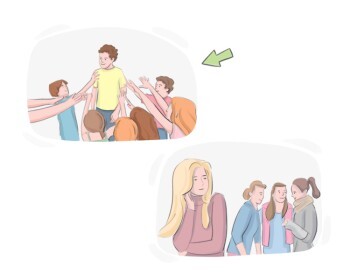
a period of time that is made up of twelve months, particularly one that starts on January first and ends on December thirty-first

año
año

Ex: My family goes on a vacation once a year. 
popular
popular
[Adjetivo]

receiving a lot of love and attention from many people

popular

popular

Ex: Tennis is a popular sport in many countries around the world. 
self-defense
self-defense
[Sustantivo]

the actions taken by an individual to protect themselves or their property from harm or damage

autodefensa, defensa personal

autodefensa, defensa personal

Ex: She carried pepper spray for self-defense while walking alone. 

Llevaba spray de pimienta para autodefensa mientras caminaba sola.
tradition
tradition
[Sustantivo]

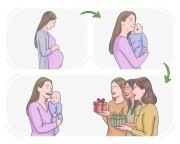
an established way of thinking or doing something among a specific group of people

tradición

tradición

Ex: They celebrated the tradition of lighting candles on the first night of Hanukkah. 
LanGeek
Descargar la aplicación LanGeek
