
Inglés de Cambridge: PET (B1 Preliminary) - Animales y partes de animales
Aprende vocabulario PET sobre animales y partes de animales, incluyendo especies comunes, partes del cuerpo, hábitats, movimiento y formas básicas de describir animales.
Revisión
Tarjetas de memoria
Ortografía
Cuestionario

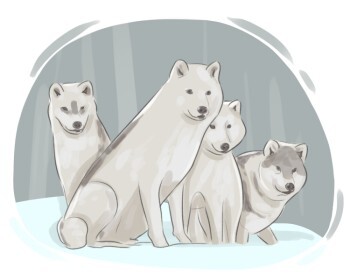
a subspecies of the gray wolf adapted to survive in the harsh Arctic regions of North America

lobo ártico, lobo blanco
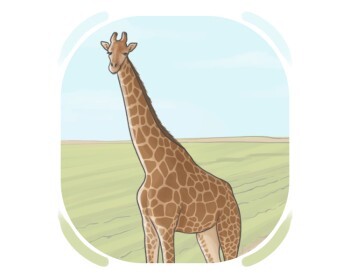
a tall animal with a very long neck and long legs that has brown spots on its yellow fur
jirafa
Los turistas se maravillaron ante la vista de una manada de jirafas recorriendo las vastas praderas, sus imponentes siluetas contra el horizonte.
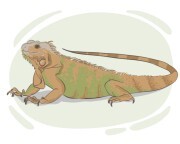
a large herbivorous reptilian of the lizard family with a dorsal crest, which lives in tropical areas of America
iguana
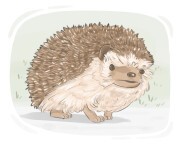
a small mammal that is active at night, which is covered with spines and can roll itself while attacked
erizo
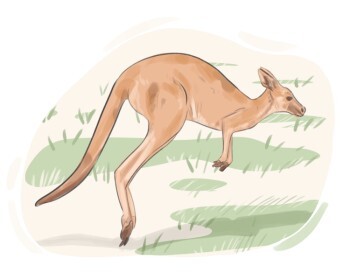
a large Australian animal with a long tail and two strong legs that moves by leaping, female of which can carry its babies in its stomach pocket which is called a pouch
canguro
Los canguros usan sus colas musculosas para equilibrarse al saltar y como un poderoso contrapeso al moverse lentamente o pararse erguidos.
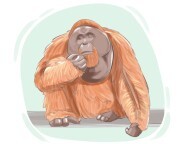
a large ape with a red coat and long arms that lives in the rainforests of Southeast Asia, the male of which develops a throat pouch
orangután
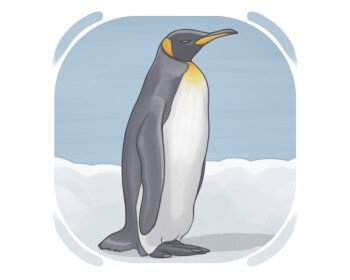
a large black-and-white seabird that lives in the Antarctic, and can not fly but uses its wings for swimming
pingüino
Sarah vio un documental sobre los pingüinos en la Antártida.
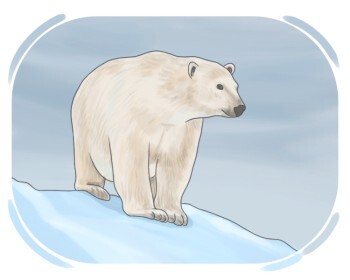
a large white bear which lives in the North Pole and is well-adapted to its icy environment
oso polar
El oso polar es el carnívoro terrestre más grande y no tiene depredadores naturales excepto los humanos.

a large and majestic deer species found in various habitats across Europe, Asia, and North Africa
ciervo rojo, ciervo común
a small mammal with a reddish-brown coat, tufted ears, and a long, bushy tail, known for its agility and arboreal lifestyle
ardilla roja, pequeño mamífero de pelaje rojizo
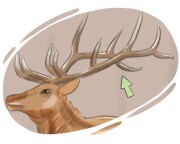
any of the pair of branched horns that grow annually on the head of an adult animal, typically a male one, from the deer family
asta, cuerno
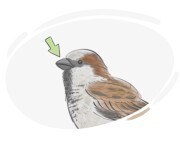
the hard or pointed part of a bird's mouth
pico
Ella notó el pico colorido del pájaro mientras se posaba en la rama.
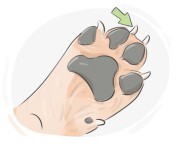
a sharp and curved nail on the toe of an animal or a bird
garra
Una garra en la langosta es lo suficientemente fuerte como para romper conchas.
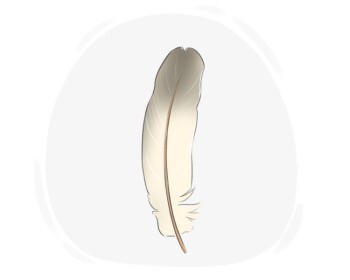
any of the light and soft parts covering the body of a bird
pluma
La almohada estaba llena de suaves plumas de ganso, proporcionando un lugar cómodo para descansar.
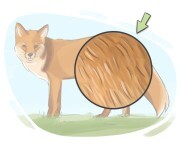
the thick, soft hair that grows on the body of some animals such as cats, dogs, etc.
pelo, pelaje
Ella cepilló suavemente el pelaje del conejo para quitar los pelos sueltos.
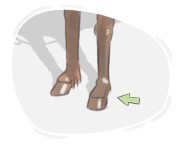
the horny and hard part at the end of a limb of a mammal, such as a horse
casco
Una infección en el casco puede causar un dolor severo a un animal si no se trata.
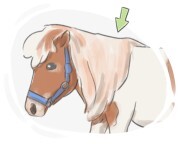
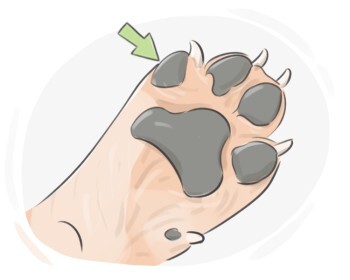
an animal's foot that typically has a combination of nails, claws, fur, and pads
pata
Con movimientos suaves, el veterinario examinó la pata del gato en busca de signos de lesión o infección.
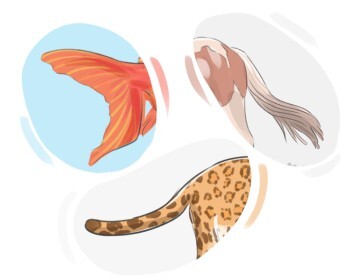
the part of the body of an animal, a bird or a fish that sticks out at the back, which can move
cola
El canguro usa su cola para mantener el equilibrio mientras salta.
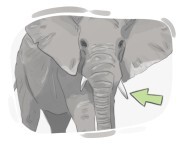
each of the curved pointy teeth of some animals such as elephants, boars, etc., especially one that stands out from the closed mouth
colmillo
Con un suave empujón, el elefante usó sus colmillos para ayudar a un compañero caído a ponerse de pie.
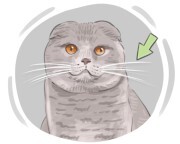
any of the long, stiff hairs that grow on the face of a cat, mouse, etc.
bigote
Los ratones usan sus bigotes para abrirse camino a través de espacios estrechos.
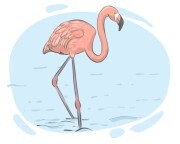
a large aquatic bird with long legs and neck, pink plumage and a broad bill curved downward that lives near warm waters
flamenco
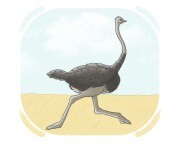
a fast and large bird that is flightless and has long legs and a long neck, native to Africa
avestruz
El granjero criaba avestruces por sus plumas y carne.
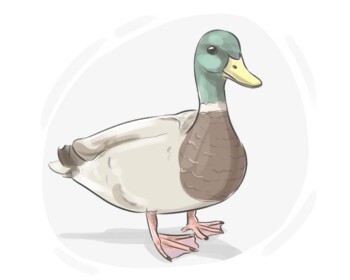
a bird with short legs and a wide beak that naturally lives near or on water or is kept by humans for its eggs, meat, or feathers
pato
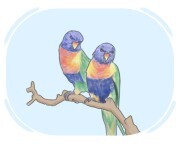
a tropical bird with bright colors and a curved beak that can be trained to mimic human speech
loro
El loro imitó perfectamente el sonido de un teléfono sonando.
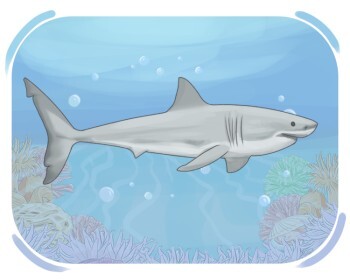
a large sea fish with a pointed fin on its back and very sharp teeth
tiburón
Mark vio un documental sobre diferentes especies de tiburones.
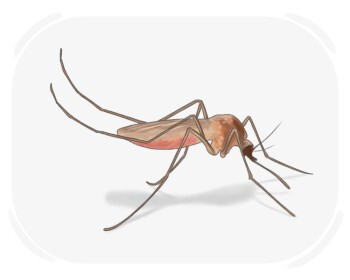
a flying insect that bites people and animals and feeds on their blood
mosquito
Es esencial vaciar los contenedores que recogen agua de lluvia para prevenir la cría de mosquitos.
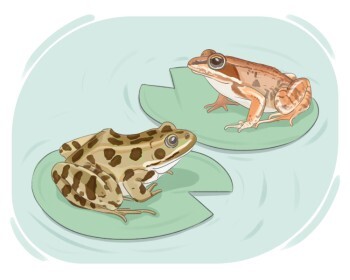
a small green animal with smooth skin, long legs for jumping and no tail, that lives both in water and on land
rana
Las ranas se encuentran comúnmente en humedales y cerca de fuentes de agua.
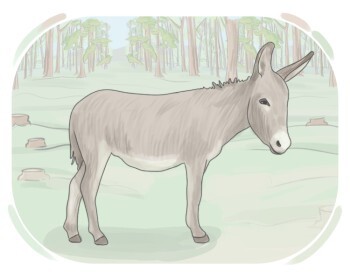
an animal that is like a horse but has shorter legs and longer ears, and is used for carrying things and riding
burro
El burro terco se negó a moverse, haciendo que el viaje por el camino estrecho fuera desafiante.
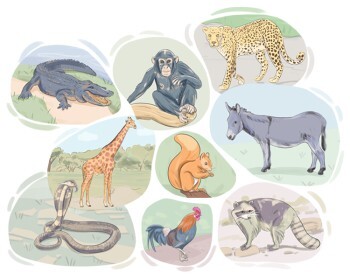
a group that animals, plants, etc. of the same type which are capable of producing healthy offspring with each other are divided into
especie
El lobo rojo es una especie de lobo nativa del sureste de los Estados Unidos.
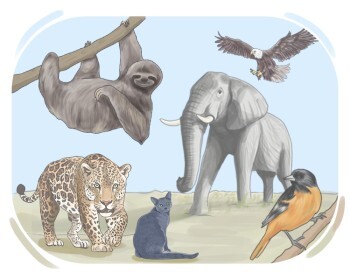
all wild animals, considered as a whole, living in the natural environment
fauna
La jungla está repleta de vida silvestre, desde insectos hasta grandes mamíferos.
