
Cambridge English: CPE (C2 Proficiency) - Historia y Antigüedad
Aprende vocabulario avanzado de CPE sobre historia y antigüedad, incluyendo sociedades antiguas, períodos históricos, tradiciones, reliquias, patrimonio y eventos del pasado lejano.
Revisión
Tarjetas de memoria
Ortografía
Cuestionario


connected to the time before the biblical flood described in the story of Noah

antediluviano, prediluviano
El museo exhibía artefactos de culturas antediluvianas.
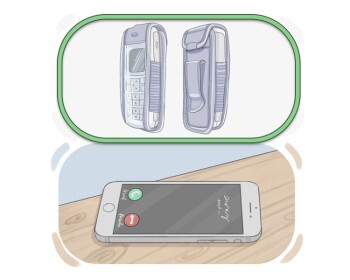
no longer useful, accepted, or relevant to modern times
anticuado, obsoleto
Sus opiniones anticuadas sobre los roles de género ya no eran relevantes en la sociedad actual.
outdated and belonging to an earlier time and no longer relevant or efficient
anticuado, obsoleto
the historical period before the Middle Ages, especially before the sixth century when Greeks and Romans were the most prosperous
antigüedad
El arte y la arquitectura de la antigüedad, como el Partenón en Atenas y el Coliseo en Roma, siguen inspirando asombro y admiración hoy en día.
an ancestral or ancient trait, feeling, outlook, activity, etc. that modern humans revert to
atavismo
Su miedo a la oscuridad se sentía como un atavismo, un remanente de los instintos de supervivencia de los primeros humanos.
belonging to the beginning of time
primordial
Los instintos primordiales de supervivencia están profundamente arraigados en la psique humana.
belonging to a time period different from the one it is in, often seen as out of place in the current era
anacrónico, fuera de época
El caballero que llevaba un reloj de pulsera era claramente anacrónico.
showing traits or behaviors that resemble those of distant ancestors, often primitive or ancient in nature
atávico, ancestral
Su miedo a la oscuridad parecía casi atávico.
outdated, or no longer in style
pasado de moda, anticuado
El peinado que una vez fue popular ahora se considera completamente pasado de moda.
something occurring at a time when it could not have existed or happened
anacronismo
Esa ley fue citada siglos antes de que fuera escrita, un anacronismo obvio.
a historical record that lists events in the order they happened, year by year
anales, crónicas
El descubrimiento fue anotado en los anales de la ciencia.
a historical account of events presented in chronological order
crónica
Ella leyó una crónica del desarrollo de la ciudad durante el último siglo.
(of things or beings) existed in a particular region from the very beginning
aborigen
Los arqueólogos desenterraron herramientas que ofrecen información sobre la tecnología aborigen de la era prehistórica.
in the past or formerly
antiguamente, anteriormente
El castillo, antaño símbolo de riqueza, ahora está abandonado.
a minor remaining part or trace of something that is no longer present in full
vestigio
La casa abandonada todavía contenía algunos vestigios de la familia que una vez vivió allí.
