pattern

Cambridge English: CPE (C2 Proficiency) - History & Antiquity

Review

Flashcards

Spelling

Quiz

Start learning
Cambridge English: CPE (C2 Proficiency)
antediluvian
antediluvian
[Adjective]

connected to the time before the biblical flood described in the story of Noah
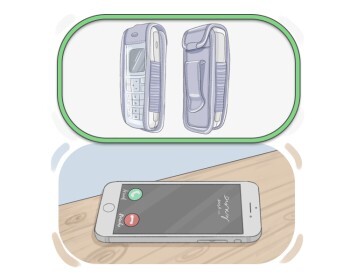
Ex: The fossils were thought to be from an antediluvian era. 
Close
Sign in
antiquated
antiquated
[Adjective]

no longer useful, accepted, or relevant to modern times

Ex: The antiquated machinery in the factory struggled to keep up with the demands of modern production. 
Close
Sign in
antique
antique
[Adjective]

outdated and belonging to an earlier time and no longer relevant or efficient

Ex: The company is finally updating its antique accounting system to something more modern. 
Close
Sign in
antiquity
antiquity
[noun]

the historical period before the Middle Ages, especially before the sixth century when Greeks and Romans were the most prosperous

Ex: Antiquity refers to the period in history before the Middle Ages, encompassing the civilizations of ancient Greece and Rome. 
Close
Sign in
atavism
atavism
[noun]

an ancestral or ancient trait, feeling, outlook, activity, etc. that modern humans revert to

Ex: The sudden aggression he displayed seemed like an atavism from a primal past. 
Close
Sign in
primordial
primordial
[Adjective]

belonging to the beginning of time

Ex: The primordial forests are home to species that have thrived for millions of years. 
Close
Sign in
anachronistic
anachronistic
[Adjective]

belonging to a time period different from the one it is in, often seen as out of place in the current era

Ex: The film's use of smartphones in the 18th century setting was anachronistic. 
Close
Sign in
atavistic
atavistic
[Adjective]

showing traits or behaviors that resemble those of distant ancestors, often primitive or ancient in nature

Ex: His sudden aggression was an atavistic throwback to humanity's primal instincts. 
Close
Sign in
passe
passe
[Adjective]

outdated, or no longer in style

Ex: Those baggy jeans are so passé; no one wears them anymore. 
Close
Sign in
anachronism

something occurring at a time when it could not have existed or happened

Ex: The speech referenced events that hadn't yet occurred—an unintentional anachronism. 
Close
Sign in
annals
annals
[noun]

a historical record that lists events in the order they happened, year by year

Ex: The annals of the kingdom detail every ruler's reign. 
Close
Sign in
chronicle
chronicle
[noun]

a historical account of events presented in chronological order

Ex: The historian wrote a detailed chronicle of the medieval period. 
Close
Sign in
aboriginal
aboriginal
[Adjective]

(of things or beings) existed in a particular region from the very beginning

Ex: The ancient artifacts discovered in the cave provide evidence of aboriginal life in the region. 
Close
Sign in
erstwhile
erstwhile
[Adverb]

in the past or formerly

Ex: The hotel, erstwhile a grand resort, is now in ruins. 
Close
Sign in
vestige
vestige
[noun]

a minor remaining part or trace of something that is no longer present in full

Ex: Archaeologists studied the vestiges of pottery and tools to learn about ancient civilizations. 
Close
Sign in
LanGeek
Download LanGeek app