
Cambridge English: CPE (C2 Proficiency) - Creación y Causalidad
Aprende vocabulario avanzado de CPE para la creación y la causalidad, incluyendo producir, generar, iniciar, causar, desencadenar, formar y provocar eventos o resultados.
Revisión
Tarjetas de memoria
formas
Ortografía
Cuestionario


to bring about, generate, or cause the existence or development of something

engendrar, generar
Los modelos positivos pueden engendrar un sentido de inspiración y aspiración entre las generaciones más jóvenes.
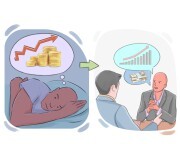
to make an effort in performing a task or activity
intentar, probar
Él intentó una respuesta pero rápidamente se dio cuenta de que no sabía la respuesta.
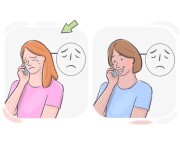
to clearly express or show a feeling, quality, or attitude through words, actions, or appearance
demostrar
Su tono sereno evidenciaba una confianza tranquila.
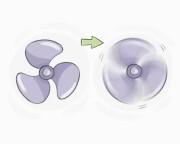
to start a machine or tool
accionar, activar
Girar la llave acciona el encendido del coche.

to create something, especially using imagination or clever thinking
inventar
Los estudiantes colaboraron para concebir una solución creativa para el proyecto de la feria de ciencias.
the direct reason why someone gets a particular illness
etiología, causa
Conocer la etiología del sarampión ayuda a los hospitales a controlar su propagación.
to bring about or accelerate the occurrence of something, often resulting in unexpected or unfavorable consequences
precipitar, acelerar
Sus comentarios durante la conferencia de prensa tienen el potencial de precipitar un incidente diplomático.
to sharpen or hone the cutting edge of a blade by rubbing it against a sharpening tool or stone
afilar, amolar
El barbero afiló hábilmente la navaja recta, asegurándose de que estuviera lo suficientemente afilada para un afeitado suave y preciso.
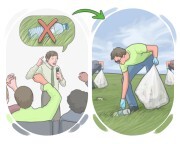
to push someone into taking action, particularly by evoking a strong emotion in them
galvanizar
Al compartir su historia personal, ella galvanizó a otros para que contribuyeran a la recaudación de fondos.
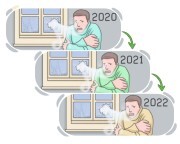
to make something, typically a problem or an undesirable situation, continue for an extended or prolonged period
perpetuar
Las políticas discriminatorias perpetuaron las desigualdades raciales durante décadas.
to cause someone ongoing worry or irritation
acosar, atormentar
El pequeño equipo estaba acosado por plazos ajustados y cargas de trabajo pesadas.
leading to the desired goal or result by providing the right conditions
propicio
El ambiente de apoyo en el aula fue propicio para el aprendizaje.
to make something resemble another
asemejar
El estudiante asimiló sus técnicas de aprendizaje a las de sus compañeros más exitosos.
to create something by intertwining multiple strands together in a woven pattern
trenzar, entrelazar
Para crear un centro de mesa rústico, ella trenzó hierbas secas y flores en un arreglo encantador y orgánico.
a sudden, powerful surge of creativity or insight, as though breathed into the mind by a higher power
inspiración divina, soplo creativo
Atribuyó el capítulo final de la novela a un repentino afflatus que levantó su bloqueo de escritor.
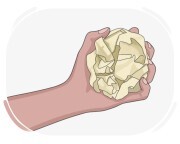
to crush, fold, or wrinkle something, resulting in irregular and uneven creases
arrugar, aplastar
Él arrugó la servilleta y la usó para limpiar el derrame de la mesa.
