pattern

500 Verbos Más Comunes en Inglés - Verbos Comunes

Aquí tienes la parte 1 de la lista de los verbos más comunes en inglés como "have", "say" y "make".

Revisión

Tarjetas de memoria

formas

Ortografía

Cuestionario
Empezar a aprender
Most Common Verbs in English Vocabulary
to be
to be
[Verbo]

to have an existence

ser

ser

Ex: There's an interesting story behind that old painting. 

Hay una historia interesante detrás de esa pintura antigua.

to have
to have
[Verbo]

to hold or own something

tener

tener

Ex: Does your friend have a reliable computer? 

¿Tiene tu amigo una computadora confiable?

to do
to do
[Verbo]

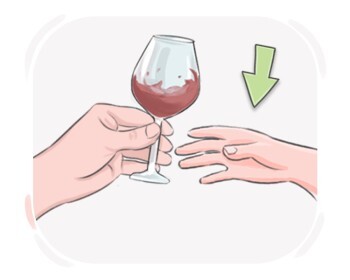
to perform an action that is not mentioned by name

hacer
hacer

Ex: In times of crisis, people often come together to do whatever is necessary. 

En tiempos de crisis, la gente a menudo se une para hacer lo que sea necesario.

to get
to get
[Verbo]

to receive or come to have something

conseguir, obtener

conseguir, obtener

Ex: They got an invitation to the exclusive event. 

Ellos recibieron una invitación al evento exclusivo.

to know
to know
[Verbo]

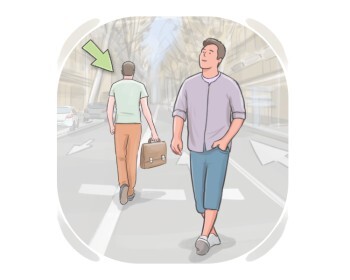
to have some information about something

saber
saber

Ex: He knows that he needs to study more for the exam. 

Él sabe que necesita estudiar más para el examen.

to go
to go
[Verbo]

to travel or move from one location to another

ir
ir

Ex: They have been to Australia twice and loved the experience. 

Han ido a Australia dos veces y les encantó la experiencia.

to say
to say
[Verbo]

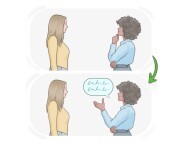
to use words and our voice to show what we are thinking or feeling

decir
decir

Ex: She said she loved the gift I gave her. 

Ella dijo que le encantaba el regalo que le di.

to make
to make
[Verbo]

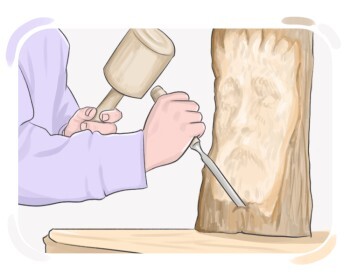
to form, produce, or prepare something, by putting parts together or by combining materials

hacer
hacer

Ex: The factory workers make thousands of cars every month. 

Los trabajadores de la fábrica fabrican miles de coches cada mes.

to think
to think
[Verbo]

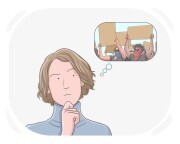
to have a type of belief or idea about a person or thing

pensar
pensar

Ex: I think that the company should focus on sustainability. 

Yo pienso que la empresa debería centrarse en la sostenibilidad.

to see
to see
[Verbo]

to notice a thing or person with our eyes

ver

ver

Ex: He saw a stranger walking toward him on the sidewalk. 

Él vio a un extraño caminando hacia él en la acera.

to want
to want
[Verbo]

to wish to do or have something

querer

querer

Ex: Jane wanted to learn how to play the guitar, so she took lessons. 

Jane quería aprender a tocar la guitarra, así que tomó lecciones.

to take
to take
[Verbo]

to reach for something and hold it

tomar

tomar

Ex: May I take your coat and hat, sir? 

¿Puedo tomar su abrigo y sombrero, señor?

to look
to look
[Verbo]

to turn our eyes toward a person or thing that we want to see

mirar
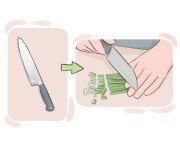
mirar

Ex: Look both ways before crossing the street. 

Mira a ambos lados antes de cruzar la calle.

to use
to use
[Verbo]

to do something with an object, method, etc. to achieve a specific result

usar, utilizar

usar, utilizar

Ex: I use my keys to unlock the door. 

Uso mis llaves para abrir la puerta.

to let
to let
[Verbo]

to allow something to happen or someone to do something

dejar
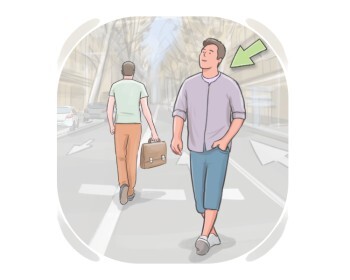
dejar

Ex: Let the ice cream soften for a few minutes before scooping. 

Deja que el helado se ablande durante unos minutos antes de servirlo.

to come
to come
[Verbo]

to move toward a location that the speaker considers to be close or relevant to them

venir

venir

Ex: Please come to the front of the classroom to present your project. 

Por favor, ven al frente del aula para presentar tu proyecto.

to need
to need
[Verbo]

to want something or someone that we must have if we want to do or be something

necesitar
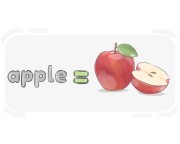
necesitar

Ex: She needs a ride to the airport tomorrow. 

Ella necesita un viaje al aeropuerto mañana.

to mean
to mean
[Verbo]

to have a particular meaning or represent something

significar
significar

Ex: The white flag means surrender. 

La bandera blanca significa rendición.

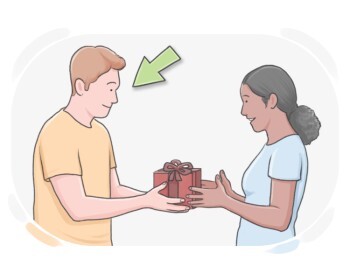
to give
to give
[Verbo]

to hand a thing to a person to look at, use, or keep

dar

dar

Ex: The tour guide gave visitors a map to explore the historical site. 

El guía turístico dio a los visitantes un mapa para explorar el sitio histórico.

to start
to start
[Verbo]

to begin something new and continue doing it, feeling it, etc.

comenzar, empezar

comenzar, empezar

Ex: I'm starting to get hungry, let's grab some food. 

Empiezo a tener hambre, vamos a buscar algo de comer.

to try
to try
[Verbo]

to make an effort or attempt to do or have something

intentar

intentar

Ex: She tried to bake a cake but it didn't turn out well. 

Ella intentó hornear un pastel pero no salió bien.

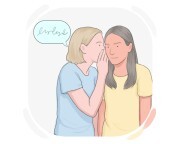
to talk
to talk
[Verbo]

to tell someone about the feelings or ideas that we have

hablar
hablar

Ex: Let's talk about your thoughts on the upcoming project. 

Hablemos de tus ideas sobre el próximo proyecto.

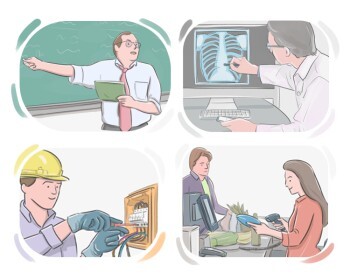
to work
to work
[Verbo]

to do certain physical or mental activities in order to achieve a result or as a part of our job

trabajar
trabajar

Ex: They can't work if the internet is down. 

No pueden trabajar si Internet no funciona.

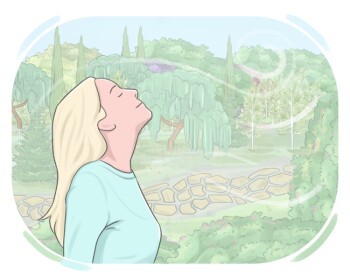
to feel
to feel
[Verbo]

to experience a particular emotion

sentir
sentir

Ex: She felt embarrassed when she realized her mistake. 

Ella se sintió avergonzada cuando se dio cuenta de su error.

to tell
to tell
[Verbo]

to use words and give someone information

contar

contar

Ex: She told her friend about the new restaurant in town. 

Ella contó a su amiga sobre el nuevo restaurante en la ciudad.

LanGeek
Descargar la aplicación LanGeek