pattern

500 Самых Распространённых Английских Глаголов - Топ 1 - 25 глаголов

Здесь вам предоставляется часть 1 списка самых распространенных глаголов в английском языке, таких как "иметь", "сказать" и "делать".

Обзор

Флэш-карточки

формы

Правописание

Тест
Начать учиться
Most Common Verbs in English Vocabulary
to be
to be
[глагол]

to have an existence

быть

быть

Ex: Is there a specific menu for vegetarians? 

Есть ли специальное меню для вегетарианцев?
Закрыть
Войти
to have
to have
[глагол]

to hold or own something

иметь

иметь

Ex: I have my grandmother's old necklace. 

У меня есть старое ожерелье моей бабушки.

Закрыть
Войти
to do
to do
[глагол]

to perform an action that is not mentioned by name

делать

делать

Ex: What have you done to your hands? 

Что ты сделал со своими руками?

Закрыть
Войти
to get
to get
[глагол]

to receive or come to have something

получить

получить

Ex: He got an unexpected bonus at work. 

Он получил неожиданную премию на работе.

Закрыть
Войти
to know
to know
[глагол]

to have some information about something

знать

знать

Ex: Do you know where the nearest gas station is? 

Ты знаешь, где ближайшая заправка?

Закрыть
Войти
to go
to go
[глагол]

to travel or move from one location to another

идти, ходить

идти, ходить

Ex: Does this train go to the airport? 

Этот поезд едет в аэропорт?

Закрыть
Войти
to say
to say
[глагол]

to use words and our voice to show what we are thinking or feeling

сказать

сказать

Ex: He was saying that he wanted to quit his job and travel the world. 

Он говорил, что хотел бросить работу и путешествовать по миру.
Закрыть
Войти
to make
to make
[глагол]

to form, produce, or prepare something, by putting parts together or by combining materials

создавать

создавать

Ex: By connecting the wires, you make the circuit and allow electricity to flow. 

Подключая провода, вы делаете цепь и позволяете электричеству течь.

Закрыть
Войти
to think
to think
[глагол]

to have a type of belief or idea about a person or thing

думать, полагать

думать, полагать

Ex: He thinks that the restaurant serves the best pizza in town. 

Он думает, что в этом ресторане подают лучшую пиццу в городе.

Закрыть
Войти
to see
to see
[глагол]

to notice a thing or person with our eyes

видеть

видеть

Ex: Did you see that shooting star just now? 

Ты видел ту падающую звезду только что?

Закрыть
Войти
to want
to want
[глагол]

to wish to do or have something

хотеть

хотеть

Ex: He wants to go to the beach. 

Он хочет пойти на пляж.

Закрыть
Войти
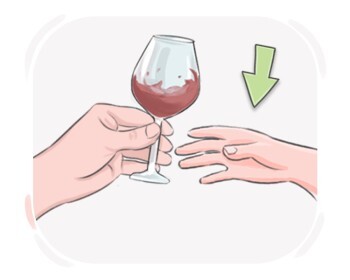
to take
to take
[глагол]

to reach for something and hold it

взять

взять

Ex: He took the cup of coffee from the table and sipped it slowly. 

Он взял чашку кофе со стола и медленно потягивал её.

Закрыть
Войти
to look
to look
[глагол]

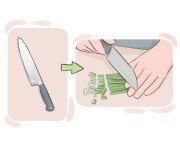
to turn our eyes toward a person or thing that we want to see

смотреть

смотреть

Ex: He looked at his watch to check the time. 

Он посмотрел на свои часы, чтобы проверить время.
Закрыть
Войти
to use
to use
[глагол]

to do something with an object, method, etc. to achieve a specific result

использовать

использовать

Ex: He is using his phone to take a picture. 

Он использует свой телефон, чтобы сделать фотографию.

Закрыть
Войти
to let
to let
[глагол]

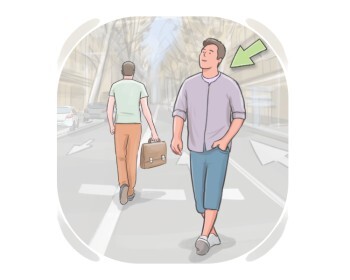
to allow something to happen or someone to do something

позволять

позволять

Ex: Don't let the rainy weather ruin your mood. 

Не позволяйте дождливой погоде испортить вам настроение.
Закрыть
Войти
to come
to come
[глагол]

to move toward a location that the speaker considers to be close or relevant to them

приходить

приходить

Ex: The cat comes to the door every morning. 

Кот приходит к двери каждое утро.

Закрыть
Войти
to need
to need
[глагол]

to want something or someone that we must have if we want to do or be something

нуждаться

нуждаться

Ex: Do you need any help with your project? 

Вам нужна помощь с вашим проектом?

Закрыть
Войти
to mean
to mean
[глагол]

to have a particular meaning or represent something

значить

значить

Ex: His silence meant that he was not interested in the conversation. 

Его молчание означало, что он не заинтересован в разговоре.
Закрыть
Войти
to give
to give
[глагол]

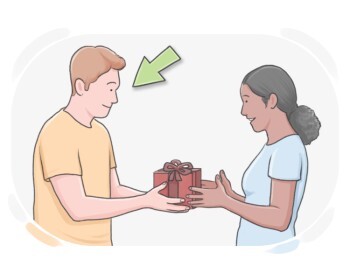
to hand a thing to a person to look at, use, or keep

дать

дать

Ex: The librarian gave me a book to borrow for my research. 

Библиотекарь дал мне книгу взаймы для моего исследования.

Закрыть
Войти
to start
to start
[глагол]

to begin something new and continue doing it, feeling it, etc.

начинать

начинать

Ex: He started singing along to the song on the radio. 

Он начал подпевать песне по радио.

Закрыть
Войти
to try
to try
[глагол]

to make an effort or attempt to do or have something

пытаться

пытаться

Ex: He tried to lift the heavy box but it was too heavy. 

Он пытался поднять тяжелую коробку, но она была слишком тяжелой.
Закрыть
Войти
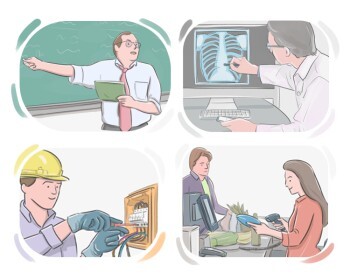
to talk
to talk
[глагол]

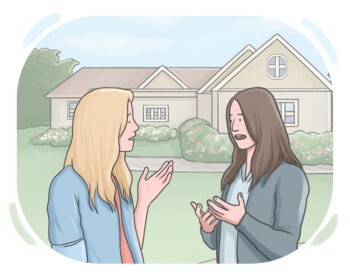
to tell someone about the feelings or ideas that we have

говорить, разговаривать

говорить, разговаривать

Ex: He talked to his friend about his recent breakup. 

Он поговорил со своим другом о своем недавнем расставании.
Закрыть
Войти
to work
to work
[глагол]

to do certain physical or mental activities in order to achieve a result or as a part of our job

работать

работать

Ex: He's been working on his presentation for hours. 

Он работает над своей презентацией уже несколько часов.

Закрыть
Войти
to feel
to feel
[глагол]

to experience a particular emotion

чувствовать

чувствовать

Ex: After watching the emotional movie, he felt sad for hours. 

После просмотра эмоционального фильма он чувствовал грусть в течение нескольких часов.

Закрыть
Войти
to tell
to tell
[глагол]

to use words and give someone information

рассказывать

рассказывать

Ex: Did he tell you about the new project? 

Он рассказал тебе о новом проекте?

Закрыть
Войти
LanGeek
Скачать приложение LanGeek