
Cualidades Personales - Molesto y orgulloso
Revisión
Tarjetas de memoria
Ortografía
Cuestionario

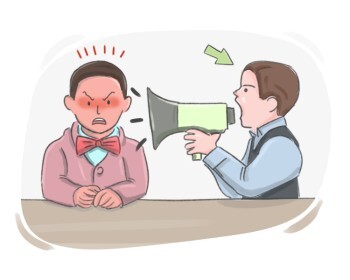
causing slight anger

molesto, irritante
Lidiar con las llamadas de telemarketing molestas durante la cena se convirtió en una molestia regular.

showing impolite behavior in a manner that is amusing or endearing
descarado, atrevido
Los chistes descarados del comediante hicieron reír a carcajadas al público.

showing unbearable arrogance, haughtiness, or intolerable self-centeredness, making it unpleasant for others to endure
insufrible, insoportable
El gerente insufrible desestimó las ideas de todos los demás como inferiores.
talking or behaving in a very noisy, forceful, or attention-seeking way
ruidoso, escandaloso

an obnoxious and overly talkative person who speaks loudly and often without restraint
bocazas, gritón
Está cansada de salir con charlatanes que dominan cada cena.
a person or thing that causes trouble or annoyance
amenaza, plaga
El grupo de adolescentes se convirtió en una amenaza en el parque.
to complain or grumble about something in a persistent or annoying way
quejarse, refunfuñar

lacking confidence and needing to be emotionally supported a lot
dependiente
El empleado necesitado buscaba constantemente la aprobación y el elogio de su supervisor.

showing too much interest in people's lives, especially when it is not one's concern
entrometido, metiche
Él es entrometido y constantemente escucha las conversaciones de los demás.

something or someone that causes trouble and annoyance
pesado
La basura en el parque se ha convertido en una molestia para la comunidad.
an annoying or troublesome person
pesado, latoso

unwilling to change one's attitude or opinion despite good reasons to do so
terco, obstinado
El niño terco se negó a comer sus verduras, incluso después de que le dijeron que eran buenas para él.
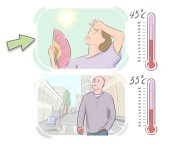
causing extreme discomfort or distress that is difficult to endure
insoportable
El ruido constante de la obra hizo que las condiciones de trabajo fueran insoportables.
a behavior characterized by an exaggerated sense of one's own importance or abilities, often with a lack of respect for others"
arrogancia, soberbia
Habló con arrogancia y desestimó otras opiniones.

showing a proud, unpleasant attitude toward others and having an exaggerated sense of self-importance
arrogante, orgulloso
Su actitud arrogante la alejó de sus compañeros, dejándola con pocos amigos.

to speak with excessive pride about one's achievements, possessions, abilities, or qualities
alardear, presumir

to talk with excessive pride about one's achievements, possessions, etc. often in exaggerated manner
alardear, presumir
El estudiante no pudo resistir presumir del puntaje alto en el examen desafiante.
taking excessive pride in oneself
engreído, creído
Su comportamiento engreído alejó a la gente, dejándola con pocos amigos.
feeling protective or possessive over something or someone
celoso, envidioso
Siempre ha sido muy celoso de su privacidad y evita compartir detalles personales.
a sense of self-respect, dignity, or personal worth
orgullo, dignidad

feeling satisfied with someone or one's possessions, achievements, etc.
orgulloso

to act in a way that is intended to impress others
presumir, actuar para impresionar a los demás
El estudiante seguía presumiendo al responder todas las preguntas antes que nadie tuviera la oportunidad.

taking great pride in one's abilities, appearance, etc.
vanidoso, egoísta
Era tan vano con su apariencia física que se negaba a salir de casa sin un arreglo perfecto.
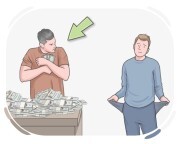
having an excessive and intense desire for something, especially wealth, possessions, or power
codicioso, avaro
El casero codicioso subió los precios del alquiler sin mejorar las condiciones de vida de los inquilinos.

taking advantage of situations to gain personal benefit, often without concern for others
oportunista, ventajista
La empresa adoptó un enfoque oportunista ante el cambio repentino del mercado.

displaying excessive attachment or control over people or things they consider their own
posesivo, celoso
El jefe posesivo microgestionaba cada aspecto del trabajo de sus empleados, sin querer delegar tareas.

(of a person) not caring about the needs and feelings of no one but one's own
egocéntrico
Ser egocéntrico puede dañar las relaciones con los demás.

always putting one's interests first and not caring about the needs or rights of others
egoísta
El conductor egoísta cortó el paso a otros coches en el tráfico sin pensarlo dos veces.
a feeling of sorrow or pity for oneself, often due to perceived misfortune, leading to a sense of helplessness or victimhood
autocompasión, lástima de sí mismo
La autocompasión puede ser perjudicial si impide el crecimiento personal.
| Cualidades Personales | |||
|---|---|---|---|
| Molesto y orgulloso | Valiente y Seguro | Inteligente y Honesto | Deshonesto & Inmoral |
| Energético y Amigable | Amable y tímido | Habilidades y Cualidades | Desagradable |
| Moral | |||
