pattern

Vocabulario clave para lesiones y primeros auxilios - Sangrado nasal

Revisión

Tarjetas de memoria

formas

Ortografía

Cuestionario

Empezar a aprender
Key Vocabulary for Injuries & First Aid
nosebleed
nosebleed
[Sustantivo]

the act or instance of blood flowing from the nose

sangrado de nariz, epistaxis

sangrado de nariz, epistaxis

Ex: She tried to stop the nosebleed by pinching her nostrils together. 

Intentó detener el sangrado de nariz apretando sus fosas nasales.
blood
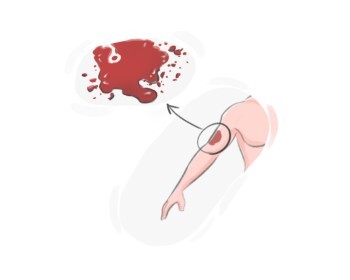
blood
[Sustantivo]

the red liquid that the heart pumps through the body, carrying oxygen to and carbon dioxide from the tissues

sangre
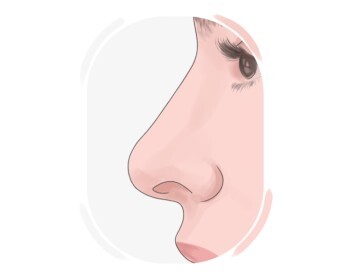
sangre

Ex: The doctor drew a small amount of blood for a routine test. 
nose
nose
[Sustantivo]

the body part that is in the middle of our face and we use to smell and breathe

nariz
nariz

Ex: She wore a mask that covered her mouth and nose in crowded places. 
to happen
to happen
[Verbo]

to come into existence by chance or as a consequence

ocurrir
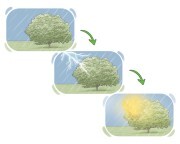
ocurrir

Ex: The meeting happened because everyone agreed it was necessary. 
dry
dry
[Adjetivo]

lacking moisture or liquid

seco

seco

Ex: The towel felt dry to the touch after being hung out in the sun. 
to pick
to pick
[Verbo]

to remove or separate something bit by bit using the fingers

deshojar, desmenuzar
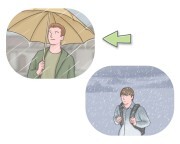
deshojar, desmenuzar

Ex: She picked the petals from the flower, making a bouquet. 
to hit
to hit
[Verbo]

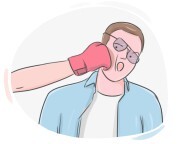
to strike someone or something with force using one's hand or an object

golpear, pegar

golpear, pegar

Ex: The teacher told the student not to hit his classmates. 
to sit down

to move from a standing position to a sitting position

pasar de estar de pie a estar sentado, sentarse en una silla o superficie

pasar de estar de pie a estar sentado, sentarse en una silla o superficie

Ex: The teacher asked the students to sit down so that the lesson could begin. 

El profesor les pidió a los estudiantes que se sentaran para que la lección pudiera comenzar.
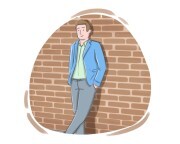
to lean
to lean
[Verbo]

to bend from a straight position typically to rest the body against something for support

apoyarse en
apoyarse en

Ex: The cat stretched and leaned against the window, basking in the warmth of the sunlight. 
forward
forward
[Adverbio]

to or toward the front

adelante

adelante

Ex: The ship sailed forward, cutting through the waves toward the distant shore. 
a little
a little
[Adverbio]

used to express a slight change, difference, or movement

un poco, ligeramente

un poco, ligeramente

Ex: The children played a little longer than usual. 

Los niños jugaron un poco más de lo habitual.
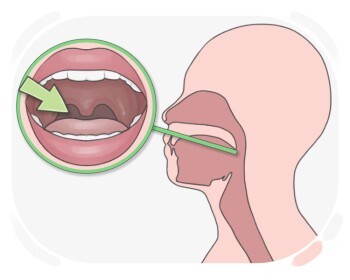
throat
throat
[Sustantivo]

a passage in the neck through which food and air pass

garganta
garganta

Ex: The baby giggled, producing adorable gurgling sounds from her throat. 
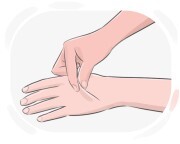
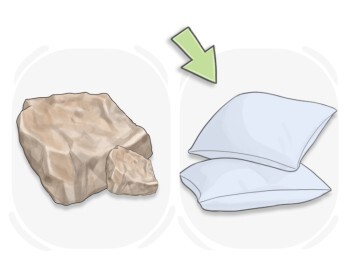
to pinch
to pinch
[Verbo]

to tightly grip and squeeze something, particularly someone's flesh, between one's fingers

pellizcar, apretar

pellizcar, apretar

Ex: When she saw the breathtaking view, she couldn't help but pinch herself to make sure it wasn't a dream. 

Cuando vio la vista impresionante, no pudo evitar pellizcarse para asegurarse de que no era un sueño.
soft
soft
[Adjetivo]

gentle to the touch

blando

blando

Ex: The kitten's fur was incredibly soft to the touch. 
to stop
to stop
[Verbo]

to not move anymore

parar

parar

Ex: The train doesn't stop on this route after 6 PM. 
finger
finger
[Sustantivo]

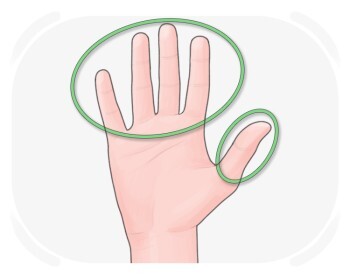
each of the long thin parts that are connected to our hands, sometimes the thumb is not included

dedo

dedo

Ex: I used my finger to point at the map and show them the location. 
a few
a few
[Determinante]

used to indicate a small number of items, people, or things

algunos, unos pocos

algunos, unos pocos

Ex: He has a few friends coming over to watch the game tonight. 

Tiene algunos amigos que vienen a ver el juego esta noche.
minute
minute
[Sustantivo]

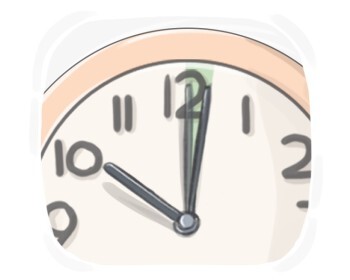
each of the sixty parts that creates one hour and is made up of sixty seconds

minuto

minuto

Ex: I'll be ready in a minute, just give me a moment. 
to stay
to stay
[Verbo]

to continue to be in a particular condition or state

quedarse

quedarse

Ex: Please stay seated until the plane has come to a complete stop. 
calm
calm
[Adjetivo]

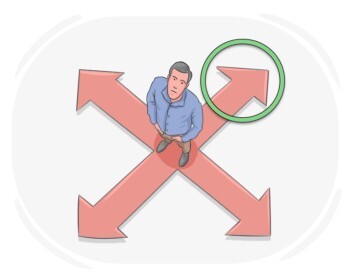
not showing worry, anger, or other strong emotions

tranquilo, calmado
tranquilo, calmado

Ex: The calm expression on her face masked any inner turmoil she might have felt. 
back
back
[Adverbio]

in or to the direction behind us

atrás, in the direction behind us
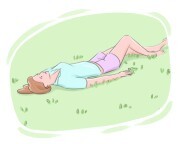
atrás, in the direction behind us

Ex: After hearing a noise, he turned back to investigate. 
to lie down

to put one's body in a flat position in order to sleep or rest

acostarse para dormir o descansar, poner el cuerpo en posición horizontal

acostarse para dormir o descansar, poner el cuerpo en posición horizontal

Ex: The weary traveler lay down on the bed, eager to escape the hustle and bustle of the city. 

El cansado viajero se acostó en la cama, ansioso por escapar del bullicio de la ciudad.
mouth
mouth
[Sustantivo]

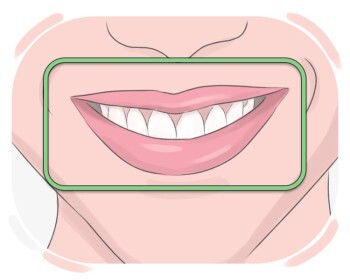
our body part that we use for eating, speaking, and breathing

boca

boca

Ex: He tasted the delicious cake, savoring the flavors in his mouth. 
to go into
to go into
[Verbo]

to enter a place or location

entrar en, penetrar en

entrar en, penetrar en

Ex: To escape the rain, they hurried to go into the cafe for a warm cup of coffee. 

Para escapar de la lluvia, se apresuraron a entrar en el café para tomar una taza de café caliente.
to rest
to rest
[Verbo]

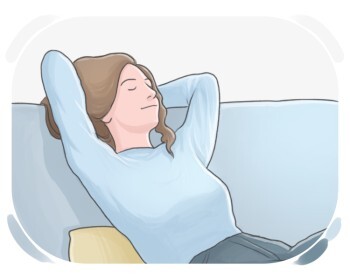
to stop working, moving, or doing an activity for a period of time and sit or lie down to relax

descansar
descansar

Ex: Please rest and take a break before you continue with your tasks. 
to touch
to touch
[Verbo]

to put our hand or body part on a thing or person

tocar, rozar
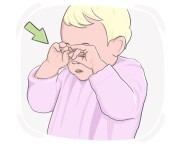
tocar, rozar

Ex: She gently touched the soft fur of the cat. 
to rub
to rub
[Verbo]

to move a hand, cloth, or other object repeatedly over a surface while pressing against it
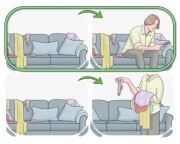
Ex: Maya rubbed her tired eyes after staring at the screen all day. 
to keep
to keep
[Verbo]

to make someone or something stay or remain in a specific state, position, or condition

mantener, guardar

mantener, guardar

Ex: The teacher keeps the students engaged. 
wet
wet
[Adjetivo]

still moist and not dry

húmedo, mojado

húmedo, mojado

Ex: The sculptor loved the pliability of the wet clay as he shaped his masterpiece. 
to help
to help
[Verbo]

to make something easier, particularly by improving the situation

ayudar,  facilitar
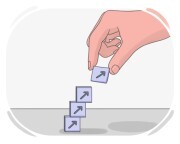
ayudar, facilitar

Ex: This new software helps to organize tasks efficiently. 
to go on
to go on
[Verbo]

to continue without stopping

continuar sin parar, seguir adelante

continuar sin parar, seguir adelante

Ex: The teacher encouraged the students to go on with their reading, even if they came across difficult words. 

El profesor animó a los estudiantes a seguir con su lectura, incluso si se encontraban con palabras difíciles.

long time
long time
[Sustantivo]

an extended duration of time that is typically longer than what is considered normal or expected

mucho tiempo, largo tiempo

mucho tiempo, largo tiempo

Ex: She decided to take a break from work for a long time to focus on her health and well-being. 

Ella decidió tomar un descanso largo del trabajo para concentrarse en su salud y bienestar.
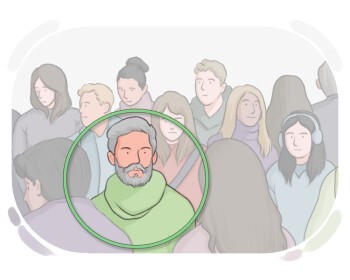
person
person
[Sustantivo]

one human

persona

persona

Ex: The organization is committed to promoting equality and fairness for every person. 
to see
to see
[Verbo]

to have a meeting with a specialist for advice, examination, etc.

ver

ver

Ex: I'm going to see a financial advisor to help me plan for retirement. 
common
common
[Adjetivo]

frequently found, happening, or seen

común

común

Ex: Coffee is a common beverage in many cultures. 

El café es una bebida común en muchas culturas.
simple
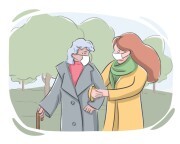
simple
[Adjetivo]

not involving difficulty in doing or understanding

fácil
fácil

Ex: The task was simple to complete; it didn't require any specialized skills. 
care
care
[Sustantivo]

the act of providing treatment and paying attention to the physical and emotional needs of someone or something

asistencia, atención

asistencia, atención

Ex: The organization provides palliative care to terminally ill patients, offering comfort and support during their final days. 
usually
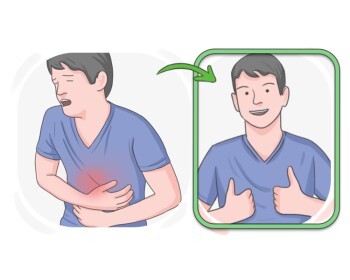
usually
[Adverbio]

in most situations or under normal circumstances

normalmente
normalmente

Ex: We usually have a family gathering on Thanksgiving. 
better
better
[Adjetivo]

recovered from a physical or mental health problem completely or compared to the past

mejor

mejor

Ex: I hope you get better soon! 

¡Espero que te mejores pronto!

quickly
quickly
[Adverbio]

with a lot of speed

rápidamente

rápidamente

Ex: She responded quickly to the urgent email. 

Ella respondió rápidamente al correo urgente.

Vocabulario clave para lesiones y primeros auxilios
MoretónQuemarSangrado nasalCorte
TermómetroBolsa de hielo
LanGeek
Descargar la aplicación LanGeek