pattern

Kluczowe słownictwo dotyczące urazów i pierwszej pomocy - Krwawienie z nosa

Przegląd

Fiszki

formy

Pisownia

Test

Zacznij naukę
Key Vocabulary for Injuries & First Aid
nosebleed
nosebleed
[Rzeczownik]

the act or instance of blood flowing from the nose

krwotok z nosa, epistaksja

krwotok z nosa, epistaksja

Ex: He was caught off guard by a sudden nosebleed during the meeting. 

Został zaskoczony nagłym krwawieniem z nosa podczas spotkania.
blood
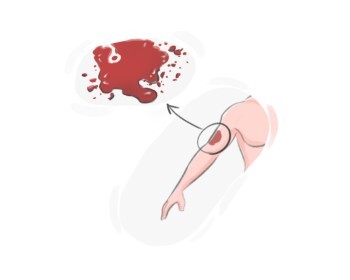
blood
[Rzeczownik]

the red liquid that the heart pumps through the body, carrying oxygen to and carbon dioxide from the tissues

krew
krew

Ex: Donating blood can save lives and help those in need. 
nose
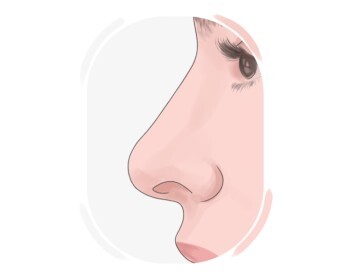
nose
[Rzeczownik]

the body part that is in the middle of our face and we use to smell and breathe

nos, nozdrze
nos, nozdrze

Ex: He held his nose as he walked past the garbage can. 
to happen
to happen
[Czasownik]

to come into existence by chance or as a consequence

zdarzyć się, wydarzyć się
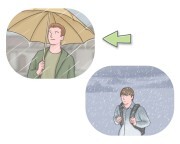
zdarzyć się, wydarzyć się

Ex: Traffic jams happen every morning on the way to work. 
dry
dry
[przymiotnik]

lacking moisture or liquid

suchy, wyschnięty

suchy, wyschnięty

Ex: She watered the dry plants in the garden. 
to pick
to pick
[Czasownik]

to remove or separate something bit by bit using the fingers

zrywać, wyrywać
zrywać, wyrywać

Ex: He picked the stitches out of the fabric, carefully unraveling the seam. 
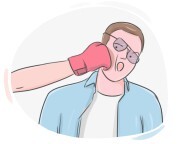
to hit
to hit
[Czasownik]

to strike someone or something with force using one's hand or an object

uderzyć, bić

uderzyć, bić

Ex: I accidentally hit my thumb with the hammer. 
to sit down
to sit down
[Czasownik]

to move from a standing position to a sitting position

przejść z pozycji stojącej do siedzącej, usiąść na krześle lub innej powierzchni

przejść z pozycji stojącej do siedzącej, usiąść na krześle lub innej powierzchni

Ex: As the concert started, everyone in the audience began to sit down in their assigned seats. 

Gdy koncert się rozpoczął, wszyscy na widowni zaczęli siadać na swoich przydzielonych miejscach.
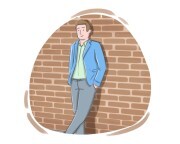
to lean
to lean
[Czasownik]

to bend from a straight position typically to rest the body against something for support

opierać się, pochylać się
opierać się, pochylać się

Ex: The teenager leaned on the fence, engrossed in a conversation with a friend. 
forward
forward
[przysłówek]

to or toward the front

do przodu

do przodu

Ex: She stepped forward to address the audience. 
a little
a little
[przysłówek]

used to express a slight change, difference, or movement

trochę, lekko

trochę, lekko

Ex: She leaned a little to hear the speaker better. 

Pochyliła się trochę, aby lepiej usłyszeć mówcę.
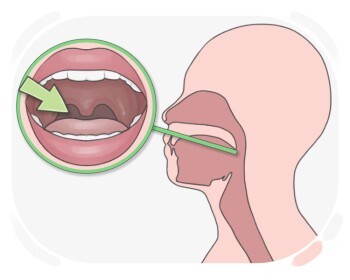
throat
throat
[Rzeczownik]

a passage in the neck through which food and air pass

gardło, krtań
gardło, krtań

Ex: He gargled with saltwater to ease the pain in his throat. 
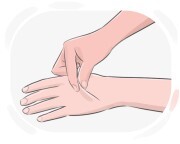
to pinch
to pinch
[Czasownik]

to tightly grip and squeeze something, particularly someone's flesh, between one's fingers

szczypać, ściskać

szczypać, ściskać

Ex: When she saw the breathtaking view, she couldn't help but pinch herself to make sure it wasn't a dream. 

Kiedy zobaczyła zapierający dech w piersiach widok, nie mogła się powstrzymać od szczypnięcia się, aby upewnić się, że to nie sen.
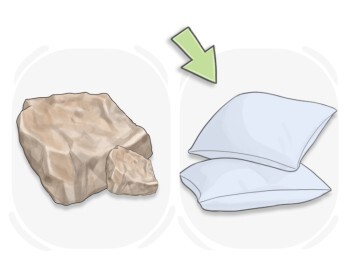
soft
soft
[przymiotnik]

gentle to the touch

miękki, delikatny
miękki, delikatny

Ex: He wore a soft woolen scarf around his neck to stay warm. 
to stop
to stop
[Czasownik]

to not move anymore

zatrzymać się, przestać
zatrzymać się, przestać

Ex: The traffic light turned red, so we had to stop at the intersection. 
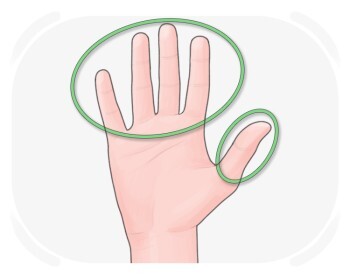
finger
finger
[Rzeczownik]

each of the long thin parts that are connected to our hands, sometimes the thumb is not included

palec, palce

palec, palce

Ex: He counted on his fingers to solve the math problem. 
a few
a few
[określnik]

used to indicate a small number of items, people, or things

kilka, niewiele

kilka, niewiele

Ex: He has a few friends coming over to watch the game tonight. 

Ma kilku przyjaciół, którzy przychodzą dziś wieczorem obejrzeć mecz.
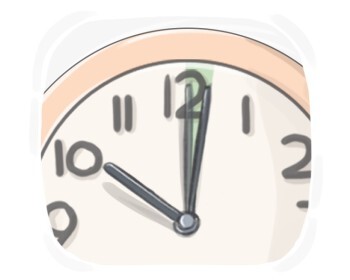
minute
minute
[Rzeczownik]

each of the sixty parts that creates one hour and is made up of sixty seconds

minuta

minuta

Ex: I like to take a short break every 30 minutes of studying. 
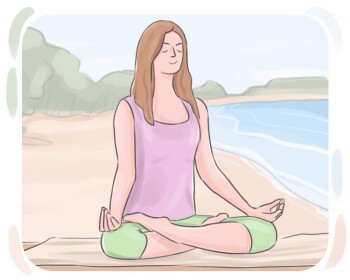
to stay
to stay
[Czasownik]

to continue to be in a particular condition or state

pozostać, zostać
pozostać, zostać

Ex: Please stay seated until the plane has come to a complete stop. 
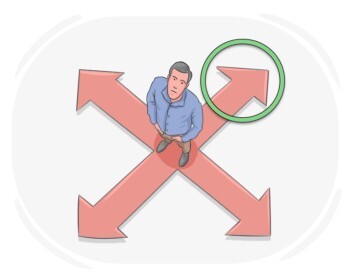
calm
calm
[przymiotnik]

not showing worry, anger, or other strong emotions

spokojny, opanowany
spokojny, opanowany

Ex: Despite the chaos around her, she remained calm and composed. 
back
back
[przysłówek]

in or to the direction behind us

w tył,do tyłu, in the direction behind us
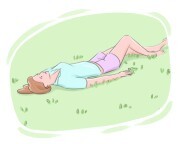
w tył,do tyłu, in the direction behind us

Ex: He stepped back to give his friend more room to dance. 
to lie down
to lie down
[Czasownik]

to put one's body in a flat position in order to sleep or rest

położyć się żeby spać lub odpocząć, ułożyć ciało w pozycji poziomej

położyć się żeby spać lub odpocząć, ułożyć ciało w pozycji poziomej

Ex: The exhausted hiker lay down on the grass, relieved to finally be at rest. 

Zmęczony turysta położył się na trawie, z ulgą, że w końcu odpoczywa.
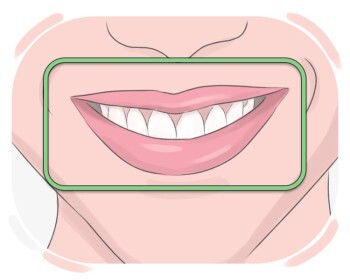
mouth
mouth
[Rzeczownik]

our body part that we use for eating, speaking, and breathing

usta

usta

Ex: He chewed his food with his mouth closed, showing good manners. 
to go into
to go into
[Czasownik]

to enter a place or location

wchodzić do, przenikać do

wchodzić do, przenikać do

Ex: He decided to go into the museum to explore the art collection. 

Postanowił wejść do muzeum, aby zbadać kolekcję sztuki.
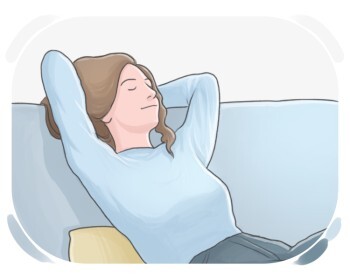
to rest
to rest
[Czasownik]

to stop working, moving, or doing an activity for a period of time and sit or lie down to relax

odpoczywać, relaksować się
odpoczywać, relaksować się

Ex: The cat likes to find a sunny spot to rest and soak up the warmth. 
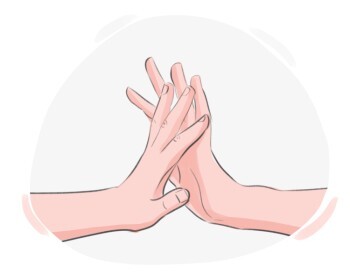
to touch
to touch
[Czasownik]

to put our hand or body part on a thing or person

dotykać, dotknąć
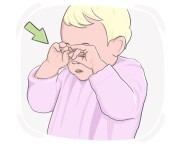
dotykać, dotknąć

Ex: Please don't touch the fragile glass display. 
to rub
to rub
[Czasownik]

to move a hand, cloth, or other object repeatedly over a surface while pressing against it

trzeć,  pocierać
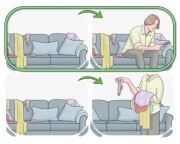
trzeć, pocierać

Ex: Daniel was rubbing his shoulder where it hurt. 
to keep
to keep
[Czasownik]

to make someone or something stay or remain in a specific state, position, or condition

utrzymywać, zachowywać

utrzymywać, zachowywać

Ex: She keeps her room tidy. 
wet
wet
[przymiotnik]

still moist and not dry

wilgotny, mokry

wilgotny, mokry

Ex: The artist avoided touching the canvas because the paint was still wet. 
to help
to help
[Czasownik]

to make something easier, particularly by improving the situation

pomagać,  ułatwiać
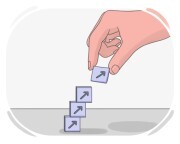
pomagać, ułatwiać

Ex: Seeking therapy can help improve mental health. 
to go on
to go on
[Czasownik]

to continue without stopping

kontynuować bez zatrzymywania się, iść dalej

kontynuować bez zatrzymywania się, iść dalej

Ex: The construction work will go on until the project is completed. 

Prace budowlane będą trwać do czasu ukończenia projektu.

long time
long time
[Rzeczownik]

an extended duration of time that is typically longer than what is considered normal or expected

długi czas, wiele czasu

długi czas, wiele czasu

Ex: The project took a long time to complete due to various unforeseen challenges. 

Projekt zajął dużo czasu do ukończenia z powodu różnych nieprzewidzianych wyzwań.
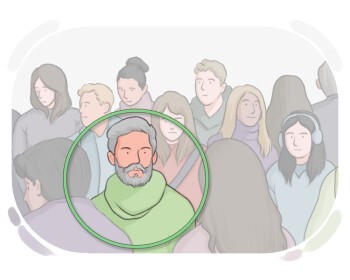
person
person
[Rzeczownik]

one human

osoba, indywiduum

osoba, indywiduum

Ex: As a responsible person, it is important to be mindful of our impact on the environment. 
to see
to see
[Czasownik]

to have a meeting with a specialist for advice, examination, etc.

widzieć, konsultować
widzieć, konsultować

Ex: I have an appointment to see the dentist next week. 
common
common
[przymiotnik]

frequently found, happening, or seen

powszechny, częsty

powszechny, częsty

Ex: The common practice in the office is to send weekly reports. 

Powszechną praktyką w biurze jest wysyłanie cotygodniowych raportów.
simple
simple
[przymiotnik]

not involving difficulty in doing or understanding

prosty, łatwy
prosty, łatwy

Ex: The recipe was simple, requiring only a few ingredients and basic cooking techniques. 
care
care
[Rzeczownik]

the act of providing treatment and paying attention to the physical and emotional needs of someone or something

opieka,  uwaga
opieka, uwaga

Ex: The hospital provides compassionate care to all patients, ensuring their physical and emotional needs are met. 
usually
usually
[przysłówek]

in most situations or under normal circumstances

zwykle, zazwyczaj
zwykle, zazwyczaj

Ex: They usually meet at the coffee shop on Fridays. 
better
better
[przymiotnik]

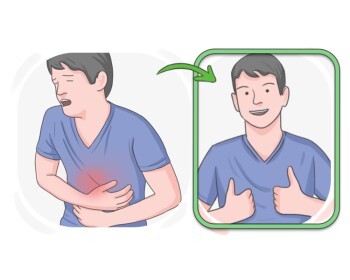
recovered from a physical or mental health problem completely or compared to the past

lepszy, wyzdrowiały

lepszy, wyzdrowiały

Ex: The doctor said she is better and can go home tomorrow. 

Lekarz powiedział, że jest lepiej i może jutro wrócić do domu.
quickly
quickly
[przysłówek]

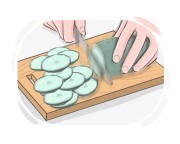
with a lot of speed

szybko,  prędko

szybko, prędko

Ex: The skilled chef chopped vegetables quickly. 

Wprawny szef kuchni szybko posiekał warzywa.

Kluczowe słownictwo dotyczące urazów i pierwszej pomocy
SiniakPalićKrwawienie z nosaCięcie
TermometrOkład z lodu
LanGeek
Pobierz aplikację LanGeek