pattern

Vocabulario de América del Norte y Central - Cuba

Revisión

Tarjetas de memoria

formas

Ortografía

Cuestionario

Empezar a aprender
North and Central America Vocabulary
island
island
[Sustantivo]

a piece of land surrounded by water

isla

isla

Ex: The island had stunning sunsets that painted the sky with vibrant hues. 
landscape
landscape
[Sustantivo]

an area of scenery visible in a single view

paisaje

paisaje

Ex: The photographer captured the desert landscape in detail. 
interesting
interesting
[Adjetivo]

catching and keeping our attention because of being unusual, exciting, etc.

interesante

interesante

Ex: My neighbor has an interesting collection of vintage cars. 

Mi vecino tiene una colección interesante de coches vintage.

tropical
tropical
[Adjetivo]

of, relating to, or characteristic of the hot regions around the equator

tropical

tropical

Ex: The island is home to hundreds of tropical bird species. 
lively
lively
[Adjetivo]

full of activity, excitement, and energy

emocionante

emocionante

Ex: The party became much livelier after the band started playing. 
native
native
[Adjetivo]

relating to the people who originally lived in a particular place before others arrived or settled there

nativo

nativo

Ex: Traditional knowledge remains important to many native peoples. 
colony
colony
[Sustantivo]

a country or territory politically controlled by another, more powerful country

colonia
colonia

Ex: The empire established colonies across several continents. 
to grow
to grow
[Verbo]

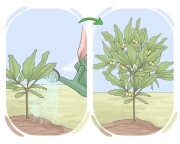
to cause a plant to develop and give fruit or flowers

cultivar
cultivar

Ex: We need to grow more vegetables for the restaurant. 
slave
slave
[Sustantivo]

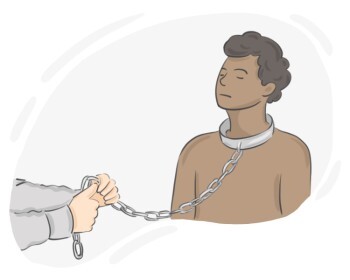
a person who is legally owned by another person and forced to work without personal freedom

Ex: She was sold as a slave when she was still a child. 
to fight
to fight
[Verbo]

to take part in a violent physical action against someone

pelear, luchar

pelear, luchar

Ex: The two animals fought over territory, growling loudly. 
independence
independence
[Sustantivo]

the state of being free from the control of others

independencia

independencia

Ex: She valued her independence and preferred to make decisions on her own. 
revolutionary
revolutionary
[Sustantivo]

a person who supports, advocates, or takes part in a political or social revolution

revolucionario,  revolucionaria

revolucionario, revolucionaria

Ex: She became known as a revolutionary during a period of political unrest. 
to gain
to gain
[Verbo]

to obtain something through one's own actions or hard work

obtener

obtener

Ex: They gained the trust of their clients by consistently delivering exceptional service. 
cuban revolution
cuban revolution
[Sustantivo]

the revolution led by Fidel Castro and a small band of guerrilla fighters against a corrupt dictatorship in Cuba; 1956-1959

revolución cubana,  revolución cubana de 1959

revolución cubana, revolución cubana de 1959

socialist
socialist
[Adjetivo]

related to a system where resources are collectively owned and distributed equally among citizens

socialista

socialista

Ex: His socialist views prioritize social justice and economic equality for all members of society. 
state
state
[Sustantivo]

a country under the control of one government

nación

nación

Ex: Japan is an island state in East Asia, known for its technological innovation and cultural heritage. 
cold war
cold war
[Sustantivo]

a state of political hostility that existed from 1945 until 1990 between countries led by the Soviet Union and countries led by the United States

guerra fría, conflicto indirecto

guerra fría, conflicto indirecto

nuclear
nuclear
[Adjetivo]

describing weapons that are powered by the energy produced either from nuclear fission or a combination of fusion and fission reactions

nuclear

nuclear

Ex: The threat of nuclear warfare has led to international peace agreements. 

La amenaza de la guerra nuclear ha llevado a acuerdos de paz internacionales.

missile
missile
[Sustantivo]

a self-propelled weapon launched through the air toward a target, typically carrying an explosive charge

misil

misil

Ex: The aircraft carried several missiles under its wings. 
stand-off
stand-off
[Sustantivo]

a situation in which reaching an agreement seems impossible

punto muerto, enfrentamiento

punto muerto, enfrentamiento

Ex: After months of stand-off, both sides finally agreed to resume discussions under new conditions. 

Punto muerto después de meses, ambas partes finalmente acordaron reanudar las discusiones bajo nuevas condiciones.

salsa
salsa
[Sustantivo]

a Latin dance with rhythmic movements, intricate footwork, and hip movements, typically danced in pairs to salsa music

salsa, baile de salsa

salsa, baile de salsa

rumba
rumba
[Sustantivo]

a slow, sensual Latin dance with hip movements, originating in Cuba

rumba, baile de rumba

rumba, baile de rumba

Ex: She practiced the rumba steps for her showcase. 

Ella practicó los pasos de rumba para su exhibición.

mambo
mambo
[Sustantivo]

a lively Afro-Cuban dance with syncopated steps and rhythmic hip movements

mambo, baile mambo

mambo, baile mambo

Ex: She learned mambo steps at a Latin dance studio. 

Ella aprendió los pasos de mambo en un estudio de danza latina.

rhythm
rhythm
[Sustantivo]

a repeated pattern of beats or sounds in music

ritmo

ritmo

Ex: The song begins with a slow rhythm and gradually becomes faster. 
club
club
[Sustantivo]

a place where people, especially young people, go to dance, listen to music, or spend time together

discoteca, club

discoteca, club

Ex: The club stays open until the early hours of the morning. 
talented
talented
[Adjetivo]

possessing a natural skill or ability for something

talentoso, con talento

talentoso, con talento

Ex: The team has several talented players this season. 

El equipo tiene varios jugadores talentosos esta temporada.

tropical
tropical
[Adjetivo]

(of weather or climate) very hot and humid, often with heavy rainfall

tropical

tropical

Ex: The city experiences tropical conditions throughout much of the year. 
plain
plain
[Sustantivo]

a vast area of flat land

llanura

llanura

Ex: The herd of bison roamed freely across the plain, grazing on the abundant grass. 
rebel
rebel
[Sustantivo]

a person who fights against an established government or ruling authority

rebelde,  insurgente
rebelde, insurgente

Ex: The rebel surrendered after months of armed resistance. 
national park
national park
[Sustantivo]

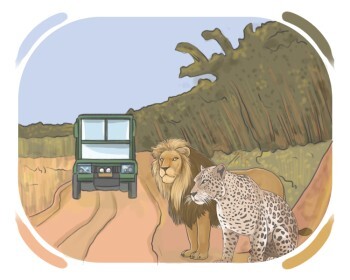
an area under the protection of a government, where people can visit, for its wildlife, beauty, or historical sights

parque nacional

parque nacional

Ex: National parks are home to diverse wildlife and ecosystems. 

Los parques nacionales son hogar de una vida silvestre y ecosistemas diversos.
wildlife
wildlife
[Sustantivo]

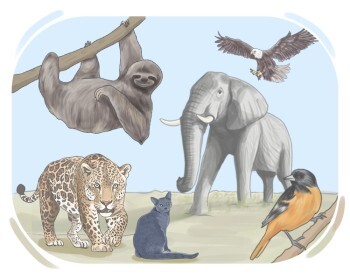
wild animals living freely in their natural environment, considered collectively

fauna

fauna

Ex: Emma enjoys photographing wildlife in the mountains. 
rare
rare
[Adjetivo]

found only in small numbers so considered interesting or valuable

raro, poco común
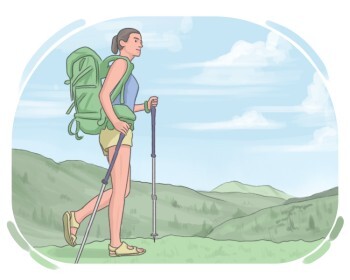
raro, poco común

Ex: His collection of rare stamps is valued highly because many of them are no longer in circulation. 
hiking
hiking
[Sustantivo]

the activity of taking long walks in the countryside or mountains, often for fun

senderismo, excursionismo

senderismo, excursionismo

Ex: She goes hiking every weekend to escape the hustle and bustle of the city. 
street food
street food
[Sustantivo]

ready-to-eat food or beverages that are sold by vendors in public places

comida callejera, comida de la calle

comida callejera, comida de la calle

churro
churro
[Sustantivo]

a Spanish or Mexican fried dough pastry, typically in the shape of a long, ridged stick

churro, porra
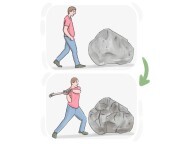
churro, porra

to face
to face
[Verbo]

to deal with a given situation, especially an unpleasant one

enfrentar,  hacer frente

enfrentar, hacer frente

Ex: Last year, the company faced financial difficulties but managed to recover. 
challenge
challenge
[Sustantivo]

a difficult and new task that puts one's skill, ability, and determination to the test

reto

reto

Ex: Learning a new language can be a rewarding challenge. 
trade embargo
trade embargo
[Sustantivo]

a government order imposing a trade barrier

embargo comercial, embargo de comercio
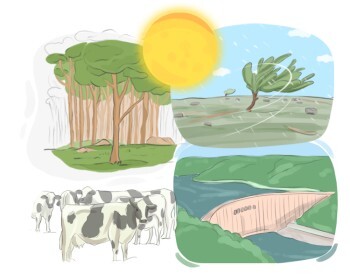
embargo comercial, embargo de comercio

resource
resource
[Sustantivo]

(usually plural) a country's gas, oil, trees, etc. that are considered valuable and therefore can be sold to gain wealth

recurso
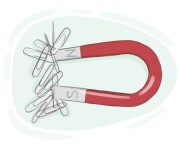
recurso

Ex: Renewable energy resources such as wind and solar power are gaining importance. 
to attract
to attract
[Verbo]

to interest and draw someone or something toward oneself through specific features or qualities

atraer

atraer

Ex: The new advertisement campaign aimed to attract a younger audience with its modern and dynamic approach. 
economy
economy
[Sustantivo]

the system in which money, goods, and services are produced or distributed within a country or region

economía
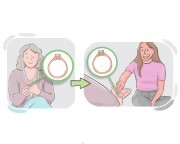
economía

Ex: A diversified economy is less susceptible to economic downturns in specific industries. 
cigar
cigar
[Sustantivo]

a roll of tobacco for smoking

cigarro, puro

cigarro, puro

to pass down

to transfer something to the next generation or another person

transmitir algo a la siguiente generación o a otra persona, legar algo a otra persona

transmitir algo a la siguiente generación o a otra persona, legar algo a otra persona

Ex: The company's founder passed down his ethos and values to all his successors. 

El fundador de la empresa transmitió su ethos y valores a todos sus sucesores.
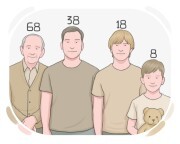
generation
generation
[Sustantivo]

people born and living at approximately the same period of time

generación

generación

Ex: Each generation faces unique challenges and opportunities shaped by the events of their time. 
significance
significance
[Sustantivo]

the state of being important or worthy of attention

importancia, significado

importancia, significado

Ex: The significance of teamwork in achieving success cannot be ignored. 
LanGeek
Descargar la aplicación LanGeek