
Vocabulario de Europa del Sur y los Balcanes - España
Revisión
Tarjetas de memoria
formas
Ortografía
Cuestionario


incredibly impressive or beautiful, often leaving one feeling amazed

impresionante, imponente
El atardecer impresionante pintó el cielo en vibrantes tonos de rojo y oro.

used to highlight the differences between two or more things or people
por el contrario
John prefiere trabajar independientemente, en contraste con Sarah, que prospera en un entorno colaborativo.

causing strong admiration or shock due to beauty or impact
impresionante, imponente
La vista desde la cima de la montaña era absolutamente impresionante.

related to or formed by the activity of volcanoes
volcánico
La ceniza volcánica puede viajar largas distancias y afectar la calidad del aire y la visibilidad.
a term used to refer to the Central, North and South America, in the past
Nuevo Mundo
full of energy, enthusiasm, and life
dinámico, enérgico
El mercado siempre está vibrante, lleno de vendedores y compradores.

showing a variety of distinct types or qualities
diverso
A ella le gusta escuchar diversos géneros de música, desde el clásico hasta el jazz.
to be situated or established in a particular place
situarse, estar ubicado
a large body of land that is partially surrounded by water but is attached to a larger area of land
península
Los niños exploraron las costas rocosas y los bosques frondosos de la remota península durante sus vacaciones de verano.
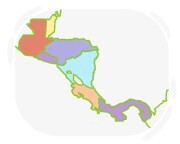
a line that separates two countries, provinces, or states from each other
frontera
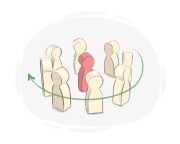
to be around something on all sides
rodear

the boundary between land and water, particularly as seen on a map or from above
costa
Dio un paseo pintoresco por la costa.
having a large number of inhabitants relative to its size or area
populoso
La región poblada experimentó un rápido crecimiento urbano en la última década.
full of activity, excitement, and energy
emocionante

a structure or a place that is historically important
monumento
Los visitantes acuden en masa al Acrópolis en Atenas para admirar los templos antiguos y absorber su significado histórico.
to exert a significant influence on the development, nature, or outcome of something
moldear, influir
a society that has developed its own culture and institutions in a particular period of time or place
civilización
Muchos aspectos de la civilización griega influyen en la filosofía y el arte contemporáneos.
the ability to affect people or events, particularly through prestige, status, or authority
eficacia, influencia
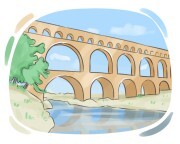
a channel or pipeline used to transport water over a long distance, usually from a remote source to a town or city
acueducto
Muchos acueductos históricos son ahora atracciones turísticas populares.
the downfall, loss, or defeat of someone or something, often irreversible
caída

to control and be in charge of a country
gobernar
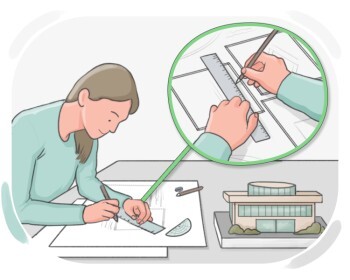
the art, study, or profession of designing buildings and other structures
arquitectura

to regain the possession of a thing or person
recuperar, retomar
El propietario recuperó su propiedad después de que el inquilino se mudara.
a country or territory politically controlled by another, more powerful country
colonia
to begin a journey by ship or boat
a war that is between people who are in the same country
guerra civil
Las guerras civiles a menudo resultan en consecuencias devastadoras para el país afectado, incluyendo pérdida de vidas y destrucción de infraestructura.
the people living within a nation or country, considered collectively
nación, pueblo

a ruler that has total power over a state, particularly a ruler who gained power through force
dictador, déspota
firm and strict control or leadership
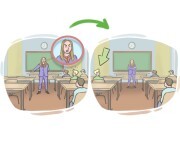
to separate someone or something from other people or things
aislar
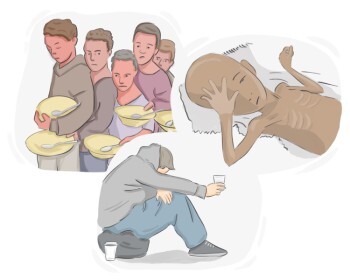
the condition of lacking enough money or income to afford basic needs like food, clothing, etc.
pobreza
to change or move from one state, condition, system, or activity to another
a country ruled by a king or queen whose powers are limited by law and elected officials hold most authority
monarquía constitucional, régimen monárquico constitucional
El papel del rey en una monarquía constitucional es principalmente ceremonial.

to choose a person for a specific job, particularly a political one, by voting
elegir
(of a place) characterized by constant activity, with people moving around, interacting, and creating a sense of liveliness

showing or having enthusiasm or strong emotions about something one care deeply about
apasionado, ferviente
El chef apasionado puso todo su corazón en crear platos innovadores que deleitaron a los comensales.
to make no effort to hide one's true feelings and intentions
mostrar sus sentimientos sin esconderlos, llevar el corazón en la mano
No escondió lo que sentía y le dijo exactamente cómo se sentía.
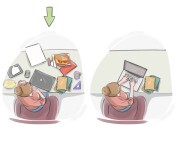
lacking orderliness or cleanliness
desordenado, caótico
Se disculpó por el estado desordenado de la sala, donde los juguetes estaban esparcidos por todas partes.
a large fire built outdoors for celebration or signaling
hoguera, fogata
Los niños asaron malvaviscos sobre la hoguera.

(usually plural) a small thing containing explosive powder that produces bright colors and a loud noise when it explodes or burns, mostly used at celebrations
fuego artificial, petardo
Encendieron fuegos artificiales para celebrar la victoria de su equipo.

a public procession of people or vehicles held to celebrate or mark an event
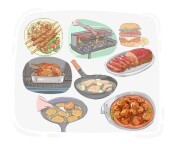
a method or style of cooking that is specific to a country or region
cocina
Disfrutó probando diferentes tipos de cocina mientras viajaba, desde la italiana hasta la tailandesa.

to begin to exist or develop, especially from a particular source, place, or situation
originarse

the spice that is made from the dried aromatic stigmas of crocus flowers, used to add taste and color to the food
azafrán
A él le gusta espolvorear unos cuantos hilos de azafrán en su taza de leche caliente.
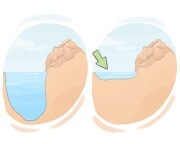
having only a short distance from the surface, edge, or opening to the bottom or innermost part
poco profundo

a usually metal container used for cooking food
sartén
to satisfy a craving or desire, especially for food or drink
satisfacer justo el antojo, ser justo lo que apetecía
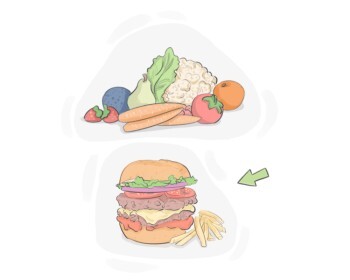

a dish that consists of eggs mixed together and cooked in a frying pan
omelette
El chef preparó una tortilla gourmet con salmón ahumado, queso crema y eneldo fresco para el menú del brunch.
preserved using methods like salting or smoking to prevent spoilage and enhance taste
salado, ahumado
El restaurante ofrecía una tabla de charcutería con una variedad de embutidos curados y quesos.
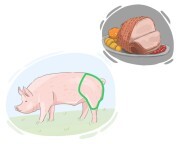
meat from the upper part of a pig's hind leg, especially when cured by salting or smoking
jamón
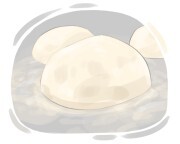
a thick mixture of flour, liquid and sometimes yeast that is baked into bread or pastry
masa
La masa de los donuts está subiendo antes de freírse.

to put something briefly or partly into a liquid, usually to wet, coat, or soak it
mojar en
something that makes one feel better or more energetic, especially when feeling tired or unmotivated
estimulante, energizante
Le dieron un pequeño regalo como estimulante después de una semana difícil.
