pattern

El libro Solutions - Elemental - Unidad 5 - 5E

Aquí encontrarás el vocabulario de la Unidad 5 - 5E en el libro de curso Solutions Elementary, como 'scooter', 'perder', 'avión', etc.

Revisión

Tarjetas de memoria

formas

Ortografía

Cuestionario
Empezar a aprender
Solutions - Elementary
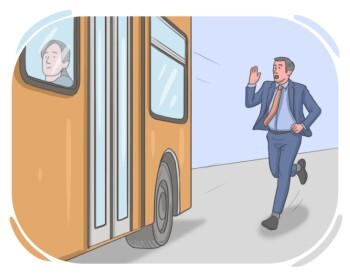
to catch
to catch
[Verbo]

to stop and hold an object that is moving through the air

coger, agarrar
coger, agarrar

Ex: It might sound a bit strange, but my dog loves to catch a frisbee. 

Puede sonar un poco extraño, pero a mi perro le encanta atrapar un frisbee.

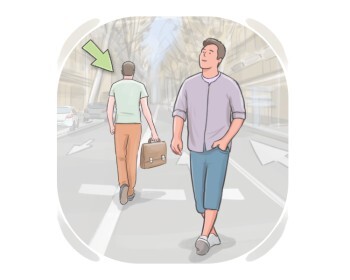
to miss
to miss
[Verbo]

to fail to catch a bus, airplane, etc.

perder
perder

Ex: She missed the school bus because she forgot her backpack. 

Ella perdió el autobús escolar porque olvidó su mochila.

to go
to go
[Verbo]

to travel or move from one location to another

ir
ir

Ex: They have been to Australia twice and loved the experience. 

Han ido a Australia dos veces y les encantó la experiencia.

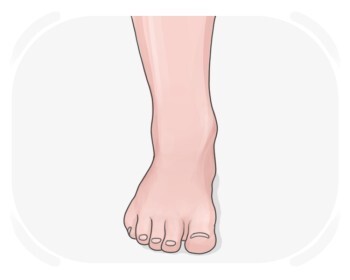
foot
foot
[Sustantivo]

the body part that is at the end of our leg and we stand and walk on

pie
pie

Ex: She kicked the soccer ball with her foot. 

Ella pateó el balón de fútbol con su pie.

to ride
to ride
[Verbo]

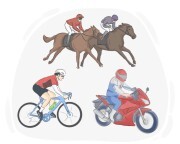
to sit on open-spaced vehicles like motorcycles or bicycles and be in control of their movements

montar, conducir
montar, conducir

Ex: Participants in the off-road rally eagerly prepared to ride their dirt bikes through challenging trails in the desert. 

Los participantes del rally todoterreno se preparaban con entusiasmo para montar sus motos de cross por senderos desafiantes en el desierto.

bicycle
bicycle
[Sustantivo]

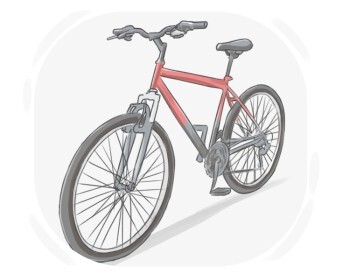
a vehicle with two wheels that we ride by pushing its pedals with our feet

bicicleta

bicicleta

Ex: I love the feeling of the wind in my hair when I ride my bicycle. 

Me encanta la sensación del viento en mi cabello cuando monto en mi bicicleta.

scooter
scooter
[Sustantivo]

a light motor vehicle with a floorboard on which the rider puts their legs, and with wheels of usually small size

escúter

escúter

Ex: She bought a new electric scooter that allows her to travel quickly and effortlessly through the city. 

Ella compró un nuevo scooter eléctrico que le permite viajar rápida y sin esfuerzo por la ciudad.

horse
horse
[Sustantivo]

an animal that is large, has a tail and four legs, and we use for racing, pulling carriages, riding, etc.

caballo

caballo

Ex: My dream is to one day own a beautiful horse. 

Mi sueño es algún día tener un hermoso caballo.

to lose
to lose
[Verbo]

to be deprived of or stop having someone or something

perder

perder

Ex: She began to lose interest in the project as it became more complicated. 

Ella comenzó a perder interés en el proyecto a medida que se volvía más complicado.

way
way
[Sustantivo]

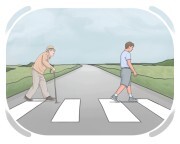
a procedure or approach used to achieve something

manera
manera

Ex: We must find a better way to manage our time. 

Debemos encontrar una mejor manera de gestionar nuestro tiempo.

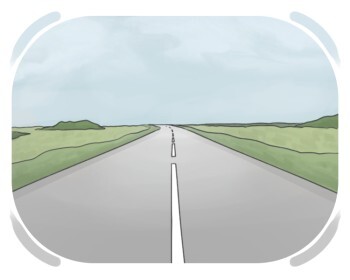
to cross
to cross
[Verbo]

to go across or to the other side of something

cruzar
cruzar

Ex: The students are crossing the campus to reach the library. 

Los estudiantes están cruzando el campus para llegar a la biblioteca.

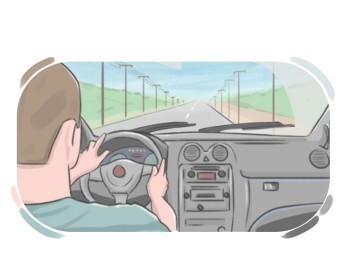
road
road
[Sustantivo]

a wide path made for cars, buses, etc. to travel along

carretera
carretera

Ex: There's a dedicated road for pedestrians and cyclists along the riverbank. 

Hay una carretera dedicada a peatones y ciclistas a lo largo de la orilla del río.

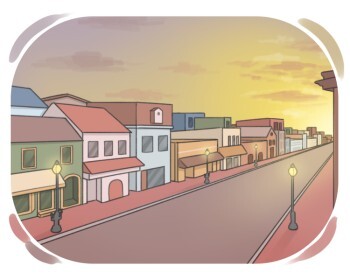
to drive
to drive
[Verbo]

to control the movement and the speed of a car, bus, truck, etc. when it is moving

conducir
conducir

Ex: I like to drive along scenic routes to enjoy the countryside. 

Me gusta conducir por rutas escénicas para disfrutar del campo.

town
town
[Sustantivo]

an area with human population that is smaller than a city and larger than a village

pueblo

pueblo

Ex: She volunteers at the town library to help with organizing books. 

Ella es voluntaria en la biblioteca municipal para ayudar con la organización de los libros.

to wait
to wait
[Verbo]

to not leave until a person or thing is ready or present or something happens

esperar

esperar

Ex: If you arrive early, you may have to wait until the restaurant opens. 

Si llegas temprano, es posible que tengas que esperar hasta que el restaurante abra.

to [give] {sb} a lift

to provide transport for someone by offering them a ride in the vehicle one is driving
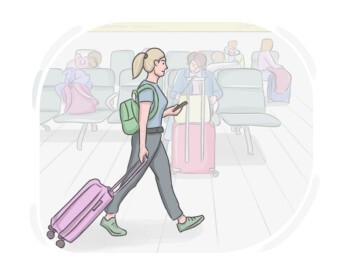
Ex: Let's give our neighbor a lift to the grocery store on our way. 
travel
travel
[Sustantivo]

the act of going to a different place, usually a place that is far

viaje

viaje

Ex: He spends a lot of his work time on travel between cities. 

Pasa gran parte de su tiempo de trabajo en viajes entre ciudades.

to buy
to buy
[Verbo]

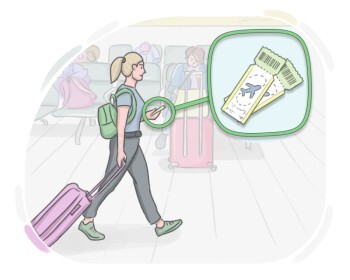
to get something in exchange for paying money

comprar
comprar

Ex: Let's buy some flowers for her birthday. 

Compremos algunas flores para su cumpleaños.

ticket
ticket
[Sustantivo]

a piece of paper or card that shows you can do or get something, like ride on a bus or attend an event

billete

billete

Ex: The flight attendant scanned my electronic ticket before I boarded the plane. 

El asistente de vuelo escaneó mi boleto electrónico antes de que abordara el avión.

to get
to get
[Verbo]

to reach a specific place

llegar

llegar

Ex: Despite the traffic, we managed to get to the theater before the show started. 

A pesar del tráfico, logramos llegar al teatro antes de que comenzara la función.

to travel
to travel
[Verbo]

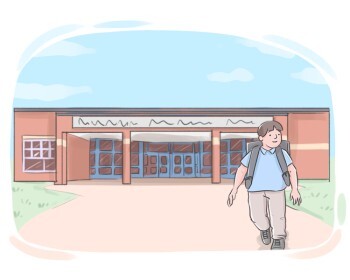
to go from one location to another, particularly to a far location

viajar
viajar

Ex: They traveled to the mountains to enjoy hiking and skiing. 

Ellos viajaron a las montañas para disfrutar del senderismo y el esquí.

school
school
[Sustantivo]

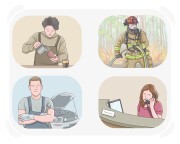
a place where children learn things from teachers

escuela, colegio
escuela, colegio

Ex: She takes the bus to school every morning. 

Ella toma el autobús para ir a la escuela todas las mañanas.

work
work
[Sustantivo]

something that we do regularly to earn money

trabajo
trabajo

Ex: Sarah's work as a nurse keeps her busy throughout the week. 

El trabajo de Sarah como enfermera la mantiene ocupada toda la semana.

London
London
[Sustantivo]

the capital and largest city of both England and the United Kingdom, situated in the southeastern region of the country

Londres
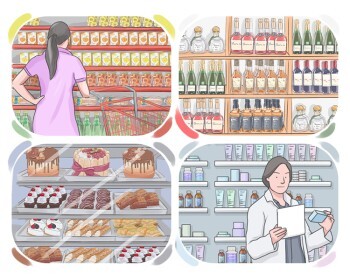
Londres

shop
shop
[Sustantivo]

a building or place that sells goods or services

tienda, comercio
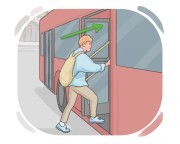
tienda, comercio

Ex: They decided to open a new shop downtown to attract more customers. 

Decidieron abrir una nueva tienda en el centro para atraer a más clientes.

to get on
to get on
[Verbo]

to enter a bus, ship, airplane, etc.

subirse

subirse

Ex: They got on the plane and found their seats. 

Ellos subieron al avión y encontraron sus asientos.
to get off
to get off
[Verbo]

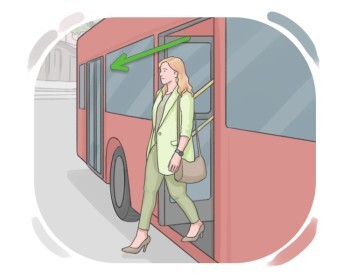
to leave a bus, train, airplane, etc.

bajarse de

bajarse de

Ex: She got off the bus at the next stop. 

Ella bajó del autobús en la siguiente parada.
train
train
[Sustantivo]

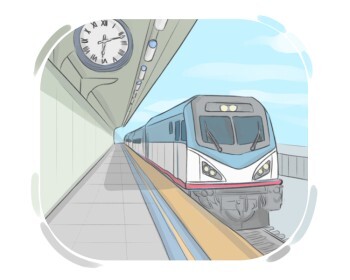
a series of connected carriages that travel on a railroad, often pulled by a locomotive

tren
tren

Ex: He prefers traveling by train because it’s more relaxing than driving. 

Él prefiere viajar en tren porque es más relajante que conducir.

bus
bus
[Sustantivo]

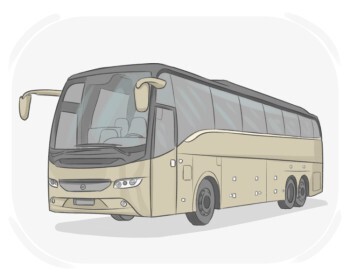
a large vehicle that carries many passengers by road

autobús, bus
autobús, bus

Ex: The bus driver greeted us with a smile as we boarded. 

El conductor del autobús nos saludó con una sonrisa cuando subimos.

tram
tram
[Sustantivo]

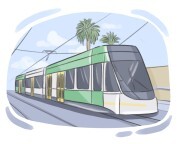
a vehicle that is powered by electricity and moves on rails in a street, used for transporting passengers

tranvía

tranvía

Ex: The city's new tram system reduced traffic congestion by providing a reliable alternative to cars and buses. 

El nuevo sistema de tranvía de la ciudad redujo la congestión del tráfico al proporcionar una alternativa confiable a los automóviles y autobuses.
to get in
to get in
[Verbo]

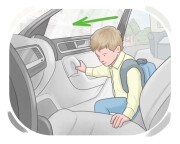
to physically enter a vehicle, such as a car or taxi

subir, entrar

subir, entrar

Ex: The taxi pulled up to the curb, and I quickly got in. 

El taxi se detuvo en la acera, y rápidamente me subí.
car
car
[Sustantivo]

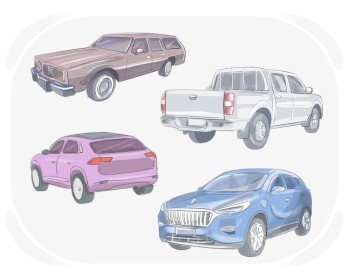
a road vehicle that has four wheels, an engine, and a small number of seats for people

coche, carro
coche, carro

Ex: She forgot to lock her car before going into the store. 

Ella olvidó cerrar con llave su coche antes de entrar en la tienda.

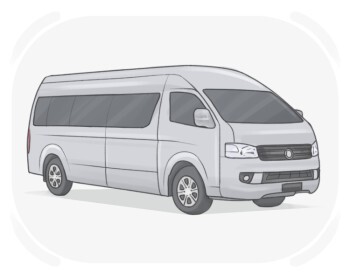
van
van
[Sustantivo]

a big vehicle without back windows, smaller than a truck, used for carrying people or things

camioneta, furgoneta
camioneta, furgoneta

Ex: She converted the old van into a cozy camper for her cross-country road trip. 

Ella convirtió la vieja furgoneta en una acogedora autocaravana para su viaje por carretera a través del país.

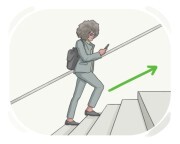
to go up
to go up
[Verbo]

to go to a higher place

subir

subir

Ex: The elevator goes up to the tenth floor. 

El ascensor sube hasta el décimo piso.
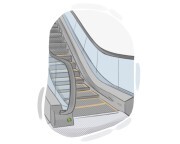
escalator
escalator
[Sustantivo]

a staircase that moves and takes people up or down different levels easily, often found in large buildings like airports, department stores, etc.

escalera mecánica

escalera mecánica

Ex: She hurriedly descended the escalator, anxious to catch her train before it departed. 

Ella bajó apresuradamente por la escalera mecánica, ansiosa por alcanzar su tren antes de que partiera.
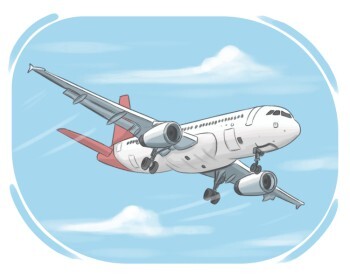
plane
plane
[Sustantivo]

a winged flying vehicle driven by one or more engines

avión

avión

Ex: The noise of the plane taking off echoed across the runway. 

El ruido del avión despegando resonó en la pista.

stair
stair
[Sustantivo]

a series of steps connecting two floors of a building, particularly built inside a building

escalera, peldaño

escalera, peldaño

Ex: She sat on the bottom stair to tie her shoelaces. 

Se sentó en el escalón de abajo para atarse los cordones.

to take
to take
[Verbo]

to use a particular route or means of transport in order to go somewhere

tomar

tomar

Ex: She took the bus to the airport for her flight. 

Ella tomó el autobús al aeropuerto para su vuelo.

LanGeek
Descargar la aplicación LanGeek