
Habilidades de Palabras SAT 1 - Lección 42
Revisión
Tarjetas de memoria
Ortografía
Cuestionario


prone to annoyance or frustration

irritable
El llanto constante del bebé hizo que los padres estuvieran irritables.

to annoy someone, often over small matters
irritar
El sonido de su chicle irrita.

a man romantically involved with someone
pretendiente
Las cartas entre los dos revelaron la profundidad del afecto que ella sentía por su amado de toda la vida.

marked by serene kindness and a radiant purity that resembles or befits an angel or saint
beatífico
Su expresión beatífica irradiaba calidez y compasión.
to declare a deceased person blessed, usually as part of the process toward sainthood in the Roman Catholic Church
beatificar
Ella espera que algún día su abuela sea formalmente beatificada.
one of the eight blessings pronounced by Jesus at the beginning of the Sermon on the Mount, each beginning with "Blessed are…"
bienaventuranza
Los eruditos a menudo debaten las implicaciones sociales y espirituales de cada bienaventuranza.
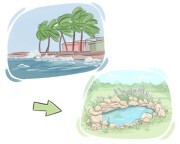
lacking movement or circulation
estancado
El río estancado no tenía flujo, con algas creciendo en su superficie.
to remain inactive or unchanging, leading to a lack of progress or development
estancarse
Muchos artistas temen estancarse si no se desafían constantemente.
a state of being still, inactive, or not progressing
estancamiento
Muchos artistas temen el estancamiento de su creatividad y buscan constantemente nuevas inspiraciones.
to praise or express admiration for someone or something
alabar, loar
El profesor elogió la investigación innovadora de su estudiante sobre el cambio climático.
(of an idea, intention, or act) deserving of admiration and praise, regardless of success
loable, laudable
A pesar de sus diferencias, ambas partes acordaron el objetivo loable de mejorar la atención médica.
expressing great praise or admiration
laudatorio
El crítico escribió una reseña elogiosa de la obra, alabando las actuaciones de los actores.
the act or process of moving upward
ascenso
El ascenso lento del globo hacia el cielo era fascinante de ver.
moving toward a higher position
ascendente
La trayectoria ascendente del globo lo llevó por encima de las nubes.
the quality of being very challenging to explain or understand
enigma
El artefacto perdido siguió siendo un enigma para los investigadores.
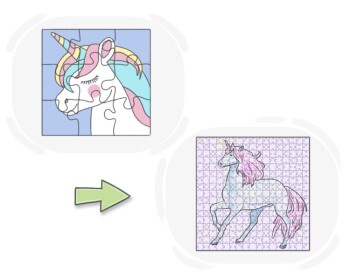
difficult to understand or interpret
enigmático
Los antiguos símbolos en la pared eran pistas enigmáticas de una época pasada.
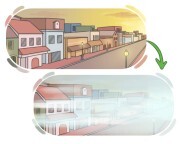
to conceal or hide something
ocultar
Los árboles crecidos oscurecían la entrada al sendero.
the state of being unclear, hard to understand, or not well-known
oscuridad
La oscuridad del texto antiguo lo convertía en un desafío incluso para los eruditos más experimentados interpretarlo.
| Habilidades de Palabras SAT 1 | |||
|---|---|---|---|
| Lección 41 | Lección 42 | Lección 43 | Lección 44 |
| Lección 45 | Lección 46 | Lección 47 | Lección 48 |
| Lección 49 | Lección 50 | ||
