pattern

El libro Solutions - Intermedio Alto - Introducción - IA - Parte 1

Aquí encontrarás el vocabulario de la Introducción - IA - Parte 1 en el libro de curso Solutions Upper-Intermediate, como "preguntarse", "acusar", "proponer", etc.

Revisión

Tarjetas de memoria

formas

Ortografía

Cuestionario

Empezar a aprender
Solutions - Upper-Intermediate
to ask
to ask
[Verbo]

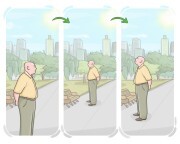
to use words in a question form or tone to get answers from someone

preguntar
preguntar

Ex: We should ask our neighbors if they need any help during the move. 

Deberíamos preguntar a nuestros vecinos si necesitan ayuda durante la mudanza.

to spend
to spend
[Verbo]

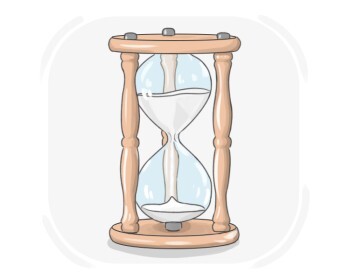
to pass time in a particular manner or in a certain place

pasar, dedicar
pasar, dedicar

Ex: His retirement years were spent traveling the world. 

Sus años de jubilación los pasó viajando por el mundo.

time
time
[Sustantivo]

the quantity that is measured in seconds, minutes, hours, etc. using a device like clock

hora

hora

Ex: It's important to manage your time wisely. 

Es importante administrar tu tiempo sabiamente.

to apologize

to tell a person that one is sorry for having done something wrong

disculparse, pedir perdón

disculparse, pedir perdón

Ex: In a professional setting, it is common to apologize for any errors and take responsibility. 

En un entorno profesional, es común disculparse por cualquier error y asumir la responsabilidad.

to mind
to mind
[Verbo]

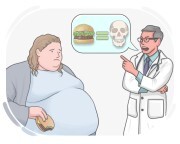
(often used in negative or question form) to be upset, offended, or bothered by something

importar
importar

Ex: He doesn't mind if people disagree with him; he welcomes different perspectives. 

A él no le importa si la gente no está de acuerdo con él; da la bienvenida a diferentes perspectivas.

to warn
to warn
[Verbo]

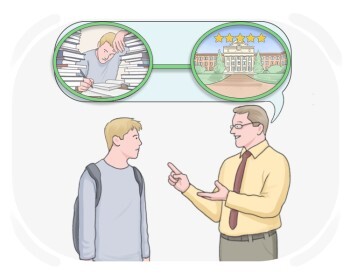
to tell someone in advance about a possible danger, problem, or unfavorable situation

advertir
advertir

Ex: The detective warned the witness about the possible threats to their safety. 

El detective advirtió al testigo sobre las posibles amenazas a su seguridad.

to advise
to advise
[Verbo]

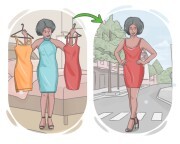
to provide someone with suggestion or guidance regarding a specific situation

aconsejar, sugerir
aconsejar, sugerir

Ex: I would advise against making any hasty decisions without considering all the consequences. 

Yo aconsejaría no tomar decisiones apresuradas sin considerar todas las consecuencias.

to decide
to decide
[Verbo]

to think carefully about different things and choose one of them

decidir

decidir

Ex: Have they decided on a date for the meeting? 

¿Han decidido una fecha para la reunión?

to choose
to choose
[Verbo]

to decide what we want to have or what is best for us from a group of options

elegir

elegir

Ex: She couldn't choose a favorite book because she loved so many. 

No podía elegir un libro favorito porque amaba tantos.

to accuse
to accuse
[Verbo]

to say that a person or group has done something wrong

acusar

acusar

Ex: She accused her colleague of stealing her ideas during the meeting. 

Ella acusó a su colega de robar sus ideas durante la reunión.

to afford
to afford
[Verbo]

to be able to pay the cost of something

permitirse

permitirse

Ex: Individuals are affording education through various financial planning strategies. 

Los individuos pueden permitirse la educación a través de varias estrategias de planificación financiera.

to beg
to beg
[Verbo]

to humbly ask for something, especially when one needs or desires that thing a lot

suplicar, implorar

suplicar, implorar

Ex: Right now, the child is begging for a second chance after breaking a vase. 

Ahora mismo, el niño suplica por una segunda oportunidad después de romper un jarrón.

to blame
to blame
[Verbo]

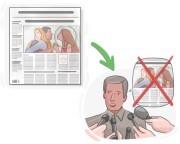
to say or feel that someone or something is responsible for a mistake or problem

culpar, echar la culpa a
culpar, echar la culpa a

Ex: The investigation revealed no evidence to blame the company for the unexpected equipment failure. 

La investigación no reveló evidencia para culpar a la empresa por la falla inesperada del equipo.

to deny
to deny
[Verbo]

to refuse to admit the truth or existence of something

negar

negar

Ex: Despite the witness accounts, the defendant chose to deny any wrongdoing in court. 

A pesar de los testimonios, el acusado optó por negar cualquier irregularidad en el tribunal.

to end up
to end up
[Verbo]

to eventually reach or find oneself in a particular place, situation, or condition, often unexpectedly or as a result of circumstances

terminar

terminar

Ex: After several detours, we ended up at the beautiful hidden beach we had heard about. 

Después de varios desvíos, terminamos en la hermosa playa escondida de la que habíamos oído hablar.
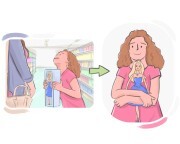
to insist on

to demand something firmly and persistently

insistir en, exigir

insistir en, exigir

Ex: They insisted on their right to a full refund for the faulty product. 

Insistieron en su derecho a un reembolso completo por el producto defectuoso.
to keep
to keep
[Verbo]

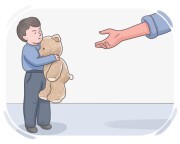
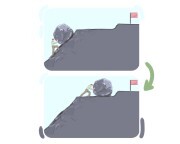
to have or continue to have something

tener
tener

Ex: Make sure to keep a spare set of keys in case you get locked out. 

Asegúrate de tener un juego de llaves de repuesto por si te quedas encerrado.

to manage
to manage
[Verbo]

to do something difficult successfully

lograr, conseguir

lograr, conseguir

Ex: The athlete managed to cross the finish line even with an injury. 

El atleta logró cruzar la línea de meta incluso con una lesión.

to mention
to mention
[Verbo]

to say something about someone or something, without giving much detail

mencionar

mencionar

Ex: Can you mention where you found that interesting article? 

¿Puedes mencionar dónde encontraste ese artículo interesante?

to offer
to offer
[Verbo]

to present or propose something to someone

ofrecer
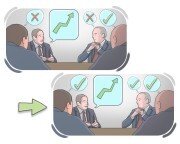
ofrecer

Ex: The teacher offered valuable feedback to help the students improve their work. 
to persuade

to make a person do something through reasoning or other methods

convencer

convencer

Ex: During the business negotiation, the salesperson tried to persuade the client to agree to a favorable deal. 

Durante la negociación comercial, el vendedor intentó persuadir al cliente para que aceptara un trato favorable.

to promise
to promise
[Verbo]

to tell someone that one will do something or that a particular event will happen

prometer

prometer

Ex: While on the campaign trail, the candidate was promising various improvements to the community. 

Mientras estaba en la campaña, el candidato prometía varias mejoras para la comunidad.

to propose
to propose
[Verbo]

to put forward a suggestion, plan, or idea for consideration

proponer
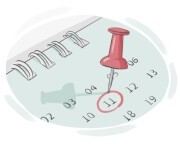
proponer

Ex: She proposed a topic for her research project, hoping to investigate the relationship between social media usage and mental health. 

Ella propuso un tema para su proyecto de investigación, con la esperanza de investigar la relación entre el uso de las redes sociales y la salud mental.

to remind
to remind
[Verbo]

to make a person remember an obligation, task, etc. so that they do not forget to do it

recordar

recordar

Ex: Last week, she reminded the team about the important client meeting. 

La semana pasada, ella recordó al equipo la importante reunión con el cliente.

to tell
to tell
[Verbo]

to use words and give someone information

contar

contar

Ex: She told her friend about the new restaurant in town. 

Ella contó a su amiga sobre el nuevo restaurante en la ciudad.

to thank
to thank
[Verbo]

to show gratitude to someone for what they have done

agradecer

agradecer

Ex: People regularly thank others for their assistance. 

Las personas agradecen regularmente a los demás por su ayuda.

to think
to think
[Verbo]

to have a type of belief or idea about a person or thing

pensar

pensar

Ex: I think that the company should focus on sustainability. 

Yo pienso que la empresa debería centrarse en la sostenibilidad.

ease
ease
[Sustantivo]

a state of being comfortable and relaxed, without worry or difficulty

relajación
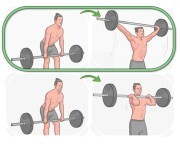
relajación

Ex: The soft music helped her relax and find ease in her thoughts. 

La música suave la ayudó a relajarse y encontrar alivio en sus pensamientos.

easily
easily
[Adverbio]

in a way that something is done without much trouble or exertion

fácilmente

fácilmente

Ex: They fixed the car easily. 

Arreglaron el coche fácilmente.

hope
hope
[Sustantivo]

a feeling of expectation and desire for a particular thing to happen or to be true

esperanza

esperanza

Ex: The child's eyes sparkled with hope as she made a wish upon a shooting star. 

Los ojos del niño brillaban con esperanza mientras hacía un deseo sobre una estrella fugaz.

hopeful
hopeful
[Adjetivo]

having attributes or indicators that inspire confidence and optimism about future outcomes

prometedor

prometedor

Ex: Despite the challenges, the hopeful signs of progress were evident in the latest reports. 

A pesar de los desafíos, los signos alentadores de progreso fueron evidentes en los últimos informes.

to wonder
to wonder
[Verbo]

to want to know about something particular

preguntarse

preguntarse

Ex: The detective couldn't help but wonder who the mysterious figure in the photograph could be. 

El detective no podía evitar preguntarse quién podría ser la figura misteriosa en la fotografía.

wonderful
wonderful
[Adjetivo]

very great and pleasant

maravilloso

maravilloso

Ex: She has done a wonderful job organizing the event. 

Ella ha hecho un maravilloso trabajo organizando el evento.

wonderfully
wonderfully
[Adverbio]

to an excellent or highly pleasing degree

maravillosamente

maravillosamente

Ex: The children behaved wonderfully during the long trip. 

Los niños se comportaron maravillosamente durante el largo viaje.

LanGeek
Descargar la aplicación LanGeek