
Le livre Solutions - Intermédiaire Supérieur - Introduction - IA - Partie 1
Ici, vous trouverez le vocabulaire de l'Introduction - IA - Partie 1 dans le manuel Solutions Upper-Intermediate, comme "se demander", "accuser", "proposer", etc.
Réviser
Flashcards
formes
Orthographe
Quiz

to use words in a question form or tone to get answers from someone

demander
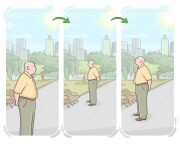
to pass time in a particular manner or in a certain place
passer, occuper

the quantity that is measured in seconds, minutes, hours, etc. using a device like clock
heure
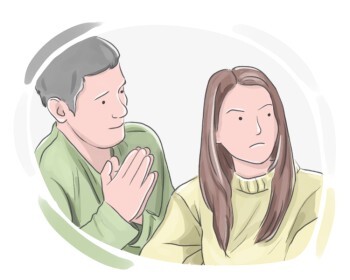
to tell a person that one is sorry for having done something wrong
présenter ses excuses, faire ses excuses
Il est important de s'excuser si vous blessez accidentellement les sentiments de quelqu'un, même involontairement.

(often used in negative or question form) to be upset, offended, or bothered by something
déranger
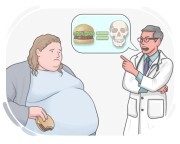
to tell someone in advance about a possible danger, problem, or unfavorable situation
avertir, prévenir
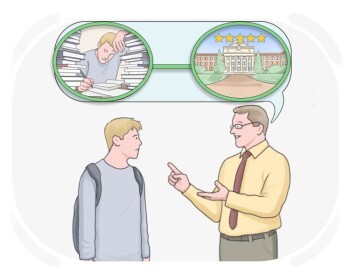
to provide someone with suggestion or guidance regarding a specific situation
conseiller
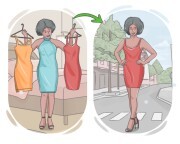
to think carefully about different things and choose one of them
décider
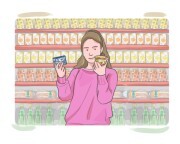
to decide what we want to have or what is best for us from a group of options
choisir

to say that a person or group has done something wrong
accuser

to be able to pay the cost of something
s'offrir, se payer, se permettre d'acheter

to ask someone very earnestly or desperately to do something
supplier, implorer
to say or feel that someone or something is responsible for a mistake or problem
accuser
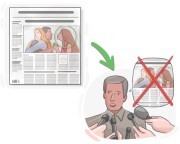
to refuse to admit the truth or existence of something
nier

to eventually reach or find oneself in a particular place, situation, or condition, often unexpectedly or as a result of circumstances
finir par, se retrouver finalement
Je n'avais pas l'intention d'acheter quoi que ce soit, mais j'ai fini par quitter le magasin avec un sac plein d'articles.
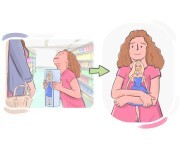
to demand something firmly and persistently
exiger quelque chose avec fermeté et insistance, insister pour faire ou obtenir quelque chose
Les employés ont insisté sur des salaires équitables et de meilleures conditions de travail.
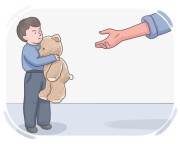
to have or continue to have something
tenir
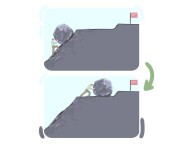
to do something difficult successfully
réussir, se débrouiller
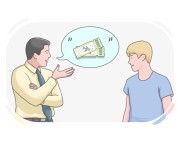
to say something about someone or something, without giving much detail
mentionner

to present or propose something to someone
proposer, offrir
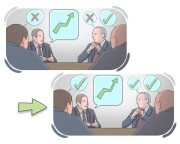
to make a person do something through reasoning or other methods
persuader

to tell someone that one will do something or that a particular event will happen
promettre
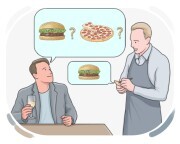
to put forward a suggestion, plan, or idea for consideration
proposer
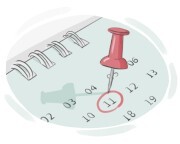
to make a person remember an obligation, task, etc. so that they do not forget to do it
rappeler
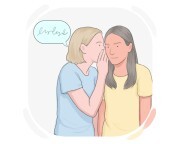
to use words and give someone information
dire
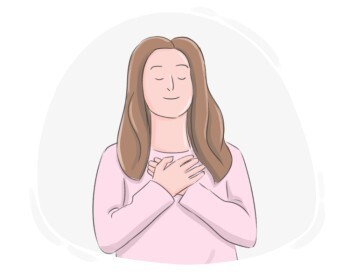
to show gratitude to someone for what they have done
remercier, exprimer sa gratitude
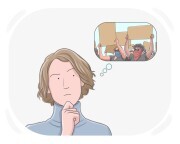
to have a type of belief or idea about a person or thing
penser

a state of being comfortable and relaxed, without worry or difficulty
aisance, facilité
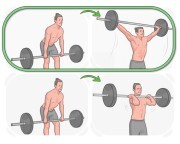
in a way that something is done without much trouble or exertion
facilement
Le chat a sauté facilement sur le canapé.
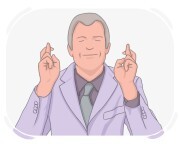
a feeling of expectation and desire for a particular thing to happen or to be true
espoir
having attributes or indicators that inspire confidence and optimism about future outcomes
optimiste, plein d'espoir
Le ton optimiste du discours a remonté le moral de tout le public.
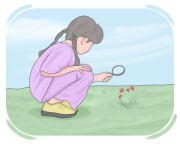
to want to know about something particular
se demander

very great and pleasant
merveilleux
Elle a un merveilleux sens de l'humour qui me fait toujours rire.

to an excellent or highly pleasing degree
merveilleusement, formidablement, prodigieusement
Elle a chanté merveilleusement, obtenant une ovation debout.
| Le livre Solutions - Intermédiaire Supérieur | |||
|---|---|---|---|
| Introduction - IA - Partie 1 | Introduction - IA - Partie 2 | Introduction - IC | Unité 1 - 1A |
| Unité 1 - 1C | Unité 1 - 1E | Unité 1 - 1F | Unité 1 - 1G |
| Unité 2 - 2A | Unité 2 - 2D | Unité 2 - 2E | Unité 2 - 2F |
| Unité 2 - 2G | Unité 2 - 2H | Unité 3 - 3A | Unité 3 - 3C |
| Unité 3 - 3E | Unité 4 - 4A - Partie 1 | Unité 4 - 4A - Partie 2 | Unité 4 - 4B |
