
Książka Solutions - Średnio zaawansowany wyższy - Wprowadzenie - SI - Część 1
Tutaj znajdziesz słownictwo z Wprowadzenia - IA - Część 1 w podręczniku Solutions Upper-Intermediate, takie jak "zastanawiać się", "oskarżać", "proponować" itp.
Przegląd
Fiszki
formy
Pisownia
Test


to use words in a question form or tone to get answers from someone

pytać, zapytać
Czy możesz go zapytać, czy będzie na jutrzejszym spotkaniu?
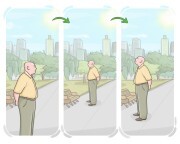
to pass time in a particular manner or in a certain place
spędzać, przebywać
On spędza swój wolny czas, ćwicząc grę na gitarze.
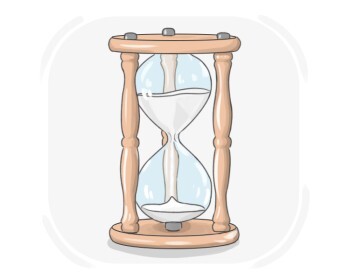
the quantity that is measured in seconds, minutes, hours, etc. using a device like clock
czas
Autobus przyjedzie na czas.
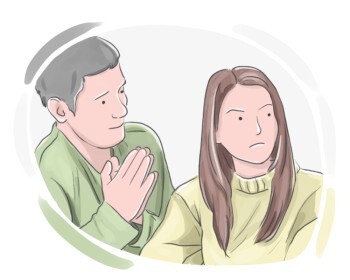
to tell a person that one is sorry for having done something wrong
przepraszać, prosić o wybaczenie
W zeszłym tygodniu szybko przeprosił za nieporozumienie.

(often used in negative or question form) to be upset, offended, or bothered by something
przeszkadzać, mieć coś przeciwko
Nie miała nic przeciwko czekaniu kilka minut na przyjście przyjaciela.
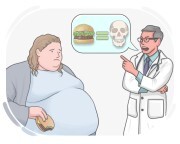
to tell someone in advance about a possible danger, problem, or unfavorable situation
ostrzegać, upominać
Ratownik ostrzegł pływaków przed niebezpiecznymi prądami wstecznymi.
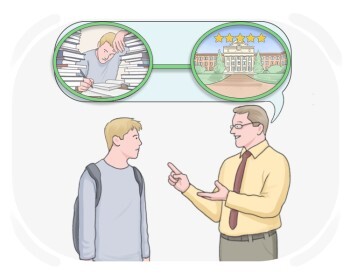
to provide someone with suggestion or guidance regarding a specific situation
radzić, zalecać
Poradził mi, żebym czytał więcej książek, aby poprawić swoje słownictwo i umiejętności rozumienia.
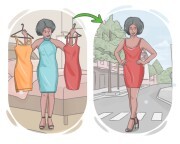
to think carefully about different things and choose one of them
decydować, postanawiać
Zdecydujmy, jaki film obejrzeć dziś wieczorem.

to decide what we want to have or what is best for us from a group of options
wybierać, selekcjonować
Musimy wybrać cel na nasze wakacje letnie.
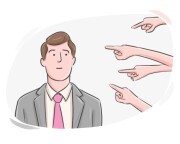
to say that a person or group has done something wrong
oskarżać, obwiniać
Dziecko oskarżyło psa o zjedzenie jego pracy domowej, ku uciesze rodziców.

to be able to pay the cost of something
pozwolić sobie, mieć środki na
Celem jest zapewnienie sobie podstawowych potrzeb i wciąż mieć miejsce na oszczędności i zajęcia rekreacyjne.

to humbly ask for something, especially when one needs or desires that thing a lot
żebrać, błagać
Odkąd zdała sobie sprawę ze swojego błędu, błagała o przebaczenie.
to say or feel that someone or something is responsible for a mistake or problem
obwiniać, winić
Niesprawiedliwe jest obwinianie lidera zespołu za niepowodzenie projektu; cała grupa dzieli odpowiedzialność.
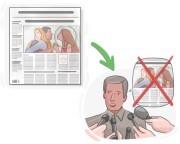
to refuse to admit the truth or existence of something
zaprzeczać, odrzucać
Nadal zaprzeczał zarzutom, pomimo przytłaczających dowodów.

to eventually reach or find oneself in a particular place, situation, or condition, often unexpectedly or as a result of circumstances
skończyć, znaleźć się
Czasami życie przybiera nieoczekiwane zwroty akcji i możesz skończyć w karierze, której początkowo nie brałeś pod uwagę.
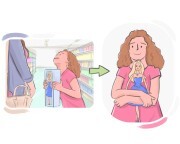
to demand something firmly and persistently
nalegać na, żądać
Nalegał na wysłuchanie go i rozpatrzenie jego obaw przez zarząd.
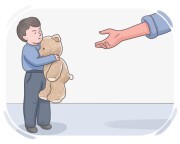
to have or continue to have something
zatrzymać, przechowywać
Pamiętaj, aby przechowywać kopię swoich ważnych dokumentów w bezpiecznym miejscu.
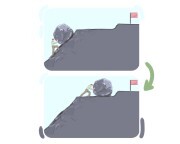
to do something difficult successfully
zarządzać, dawać sobie radę
Pomimo presji, udało jej się zachować spokój.

to say something about someone or something, without giving much detail
wspomnieć, wymienić
W swoim przemówieniu mówca wspomni o znaczeniu zaangażowania społeczności.

to present or propose something to someone
oferować, proponować
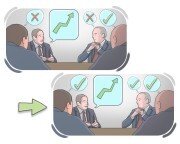
to make a person do something through reasoning or other methods
przekonywać, namawiać
Aktywista niestrudzenie pracował, aby przekonać społeczność do udziału w działaniach na rzecz ochrony środowiska.

to tell someone that one will do something or that a particular event will happen
obiecać, zobowiązywać się
Firma obiecała swoim akcjonariuszom zwiększone dywidendy po udanym kwartale.

to put forward a suggestion, plan, or idea for consideration
proponować, sugerować
Rada miejska zaproponowała nowe rozporządzenie w celu rozwiązania problemu korków, zbierając opinie mieszkańców na temat potencjalnych rozwiązań.
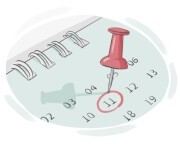
to make a person remember an obligation, task, etc. so that they do not forget to do it
przypominać, uświadamiać
Nauczyciel przypomniał uczniom, aby oddali swoje zadania na czas.

to use words and give someone information
powiedzieć, opowiedzieć
Dlaczego mi nie powiedziano o zmianie harmonogramu?

to show gratitude to someone for what they have done
dziękować, wyrażać wdzięczność
Obecnie dziękuje wszystkim za ich wkład.

to have a type of belief or idea about a person or thing
myśleć, wierzyć
Ona myśli, że książka jest o wiele lepsza niż film.

a state of being comfortable and relaxed, without worry or difficulty
łatwość, komfort
Z praktyką nauczyła się grać na pianinie z łatwością.
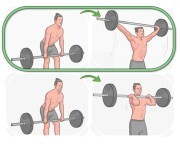
in a way that something is done without much trouble or exertion
łatwo, bez trudu
Odpowiedział na pytania łatwo.

a feeling of expectation and desire for a particular thing to happen or to be true
nadzieja, ułuda
Nigdy nie powinniśmy tracić nadziei, nawet w obliczu przeciwności.
having attributes or indicators that inspire confidence and optimism about future outcomes
pełen nadziei, optymistyczny
Pełna nadziei reakcja społeczności po ogłoszeniu była pokrzepiająca.

to want to know about something particular
zastanawiać się, rozmyślać
Często zastanawiam się, jakie byłoby życie w innym okresie czasu.

very great and pleasant
wspaniały, cudowny
Mieliśmy wspaniały czas na plaży w ten weekend.

to an excellent or highly pleasing degree
cudownie, wspaniale
Nowy przepis okazał się wspaniale, wszyscy prosili o dokładkę.
