pattern

El libro Four Corners 1 - Unidad 10 Lección A

Aquí encontrarás el vocabulario de la Unidad 10 Lección A del libro de curso Four Corners 1, como "pariente", "quedarse fuera", "banda", etc.

Revisión

Tarjetas de memoria

formas

Ortografía

Cuestionario

Empezar a aprender
Four Corners 1
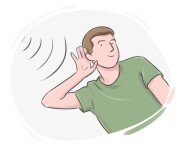
to listen
to listen
[Verbo]

to give our attention to the sound a person or thing is making

escuchar
escuchar

Ex: Apologies, I got distracted and wasn't listening closely. 
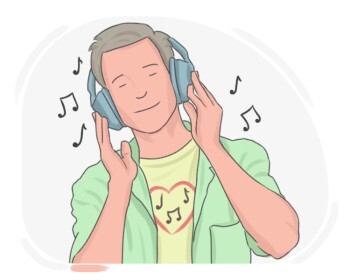
music
music
[Sustantivo]

a series of sounds made by instruments or voices, arranged in a way that is pleasant to listen to

música
música

Ex: My husband's favorite genre of music is pop. 
to play
to play
[Verbo]

to participate in a game or sport to compete with another individual or another team

jugar
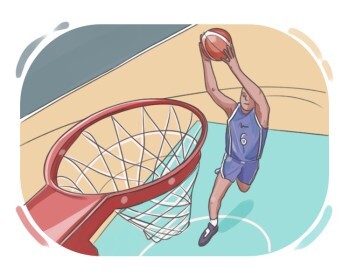
jugar

Ex: Have you ever played against Sarah? 
basketball
basketball
[Sustantivo]

a type of sport where two teams, with often five players each, try to throw a ball through a net that is hanging from a ring and gain points

baloncesto

baloncesto

Ex: The coach emphasized teamwork as the key to success in basketball. 

El entrenador enfatizó el trabajo en equipo como la clave del éxito en el baloncesto.
band
band
[Sustantivo]

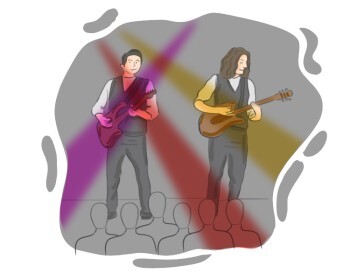
a group of musicians and singers playing popular music

banda, grupo

banda, grupo

Ex: They're going on tour next month to promote their new single as a country band. 
to shop
to shop
[Verbo]

to look for and buy different things from stores or websites

hacer compras
hacer compras

Ex: Families often shop for groceries together to plan meals for the week. 
new
new
[Adjetivo]

recently invented, made, etc.

nuevo

nuevo

Ex: I'm excited to try out my new pair of running shoes. 
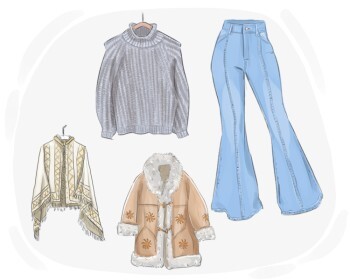
clothes
clothes
[Sustantivo]

the things we wear to cover our body, such as pants, shirts, and jackets

ropa
ropa

Ex: My mother asked me to fold my clothes and organize them in my closet. 
to stay
to stay
[Verbo]

to remain in a particular place

quedarse
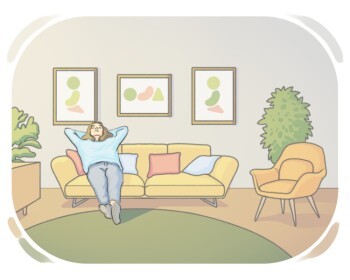
quedarse

Ex: We'll stay at the office to finish the project on time. 
home
home
[Sustantivo]

the place that we live in, usually with our family

casa, hogar

casa, hogar

Ex: He missed his home while traveling and couldn't wait to be back. 
to stay out

to choose not to return home during the night or to arrive home late

quedarse fuera, pasar la noche fuera

quedarse fuera, pasar la noche fuera

Ex: He stayed out despite his parents' concerns and returned home in the early hours of the morning. 

Él se quedó fuera a pesar de las preocupaciones de sus padres y regresó a casa en las primeras horas de la mañana.
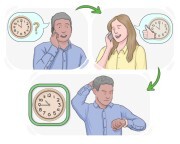
late
late
[Adjetivo]

doing or happening after the time that is usual or expected

tarde, atrasado
tarde, atrasado

Ex: He apologized for being late to the party. 
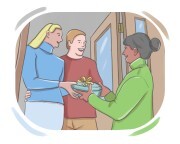
to visit
to visit
[Verbo]

to go somewhere because we want to spend time with someone

visitar
visitar

Ex: She's planning to visit her pen pal in France next year. 
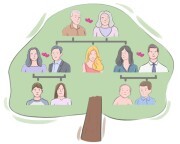
relative
relative
[Sustantivo]

a family member who is related to us by blood or marriage

pariente

pariente

Ex: She's a distant relative on my father's side. 
to watch
to watch
[Verbo]

to look at a thing or person and pay attention to it for some time

mirar
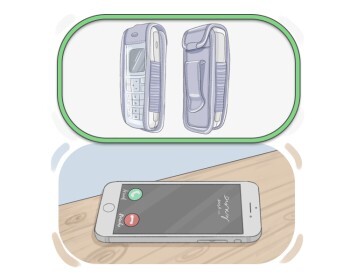
mirar

Ex: The audience eagerly watched the actors on stage during the play. 
old
old
[Adjetivo]

(of a thing) having been used or existing for a long period of time

viejo

viejo

Ex: She visited an old castle and marveled at its medieval architecture. 
movie
movie
[Sustantivo]

a story presented as a sequence of moving images, usually with sound, for entertainment or information

película
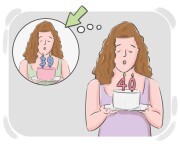
película

Ex: Daniel has seen the movie three times already. 
last
last
[Adjetivo]

immediately preceding the present time

último, pasado
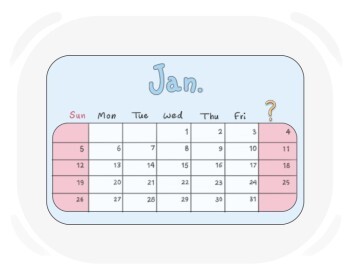
último, pasado

Ex: We had a team meeting last Friday to discuss our goals. 
Saturday
Saturday
[Sustantivo]

the day that comes after Friday

sábado
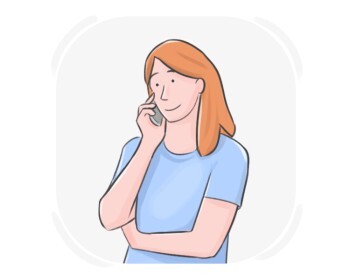
sábado

Ex: I look forward to Saturday evenings because I meet up with friends for dinner. 
to call
to call
[Verbo]

to telephone a place or person

llamar
llamar

Ex: Can you call the office and ask for the schedule? 
hour
hour
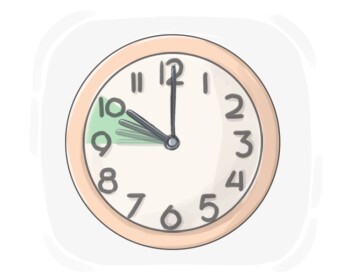
[Sustantivo]

each of the twenty-four time periods that exist in a day and each time period is made up of sixty minutes

hora
hora

Ex: I usually sleep for eight hours every night. 
to laugh
to laugh
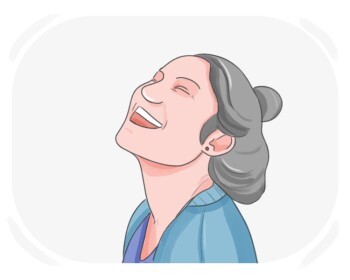
[Verbo]

to make happy sounds and move our face like we are smiling because something is funny

reírse
reírse

Ex: The children laughed joyfully as they played together. 
another
another
[Determinante]

one more of the same kind of object or living thing

otro
otro

Ex: She bought another book to add to her collection. 
ending
ending
[Sustantivo]

the final part of a story, movie, etc.

final

final

Ex: The ending of the play was very dramatic. 

El final de la obra fue muy dramático.
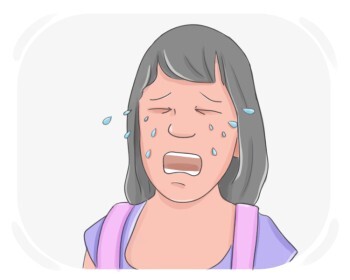
to cry
to cry
[Verbo]

to have tears coming from your eyes as a result of a strong emotion such as sadness, pain, or sorrow

llorar

llorar

Ex: The little girl cried uncontrollably after losing her favorite toy. 
LanGeek
Descargar la aplicación LanGeek