pattern

El libro Four Corners 2 - Unidad 11 Lección A

Aquí encontrarás el vocabulario de la Unidad 11 Lección A del libro de curso Four Corners 2, como "animado", "entretenimiento", "ni", etc.

Revisión

Tarjetas de memoria

Ortografía

Cuestionario
Empezar a aprender
Four Corners 2
entertainment
entertainment
[Sustantivo]

movies, television shows, etc. or an activity that is made for people to enjoy

entretenimiento

entretenimiento

Ex: She works in the entertainment industry as a film director. 

Ella trabaja en la industria del entretenimiento como directora de cine.

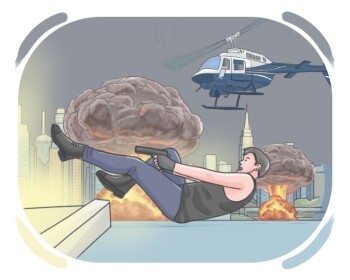
action movie
action movie
[Sustantivo]

a movie with many exciting scenes involving fights, chases, and explosions

película de acción

película de acción

Ex: Many action movies are known for their charismatic heroes who always save the day in spectacular fashion. 

Muchas películas de acción son conocidas por sus héroes carismáticos que siempre salvan el día de manera espectacular.
comedy
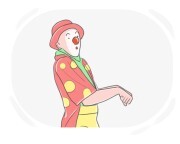
comedy
[Sustantivo]

a genre that emphasizes humor and often has a happy or lighthearted conclusion

comedia

comedia

Ex: The comedy genre has evolved significantly over the years. 

El género de comedia ha evolucionado significativamente a lo largo de los años.

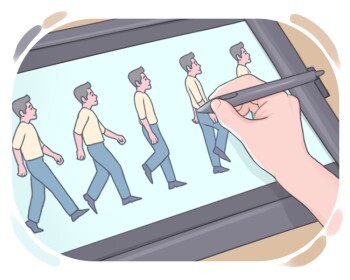
animated
animated
[Adjetivo]

(of images or drawings in a movie) made to appear as if they are in motion

animado

animado

Ex: The animated short film won several awards at the festival. 

El cortometraje animado ganó varios premios en el festival.

movie
movie
[Sustantivo]

a story told through a series of moving pictures with sound, usually watched via television or in a cinema

película

película

Ex: She downloaded a new movie to watch on her laptop during the flight. 

Ella descargó una nueva película para ver en su portátil durante el vuelo.

drama
drama
[Sustantivo]

a play that is performed in a theater, on TV, or radio

drama

drama

Ex: She got the leading role in the school drama. 

Ella consiguió el papel principal en el drama escolar.

horror
horror
[Sustantivo]

a kind of story, movie, etc. intended to scare people

de terror

de terror

Ex: She enjoys reading horror stories that involve supernatural creatures. 

A ella le gusta leer historias de terror que involucran criaturas sobrenaturales.

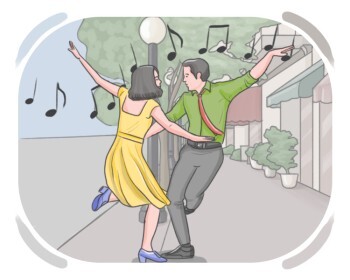
musical
musical
[Sustantivo]

any theatrical performance that combines singing, dancing, and acting to tell a story

musical

musical

Ex: After watching the musical, I found myself humming the catchy songs long after the curtain had fallen. 

Después de ver el musical, me encontré tarareando las canciones pegadizas mucho después de que cayera el telón.

science fiction
science fiction
[Sustantivo]

books, movies, etc. about imaginary things based on science

ciencia ficción

ciencia ficción

Ex: She is writing a science fiction story about time travel. 

Ella está escribiendo una historia de ciencia ficción sobre viajes en el tiempo.
Western
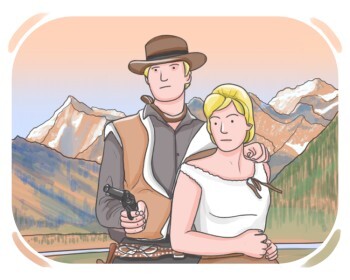
Western
[Sustantivo]

a movie or book that usually involves the lives and adventures of cowboys and settlers in American West

wéstern, película del Oeste, novela del Oeste
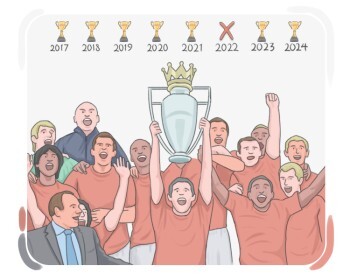
wéstern, película del Oeste, novela del Oeste

Ex: He spent the weekend watching a marathon of his favorite Westerns from the 1950s and 1960s. 

Pasó el fin de semana viendo un maratón de sus westerns favoritos de los años 50 y 60.

usually
usually
[Adverbio]

in most situations or under normal circumstances

normalmente
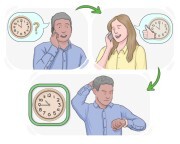
normalmente

Ex: We usually have a family gathering on Thanksgiving. 

Por lo general tenemos una reunión familiar en Acción de Gracias.

late
late
[Adjetivo]

doing or happening after the time that is usual or expected

tarde, atrasado
tarde, atrasado

Ex: He apologized for being late to the party. 

Se disculpó por llegar tarde a la fiesta.

row
row
[Sustantivo]

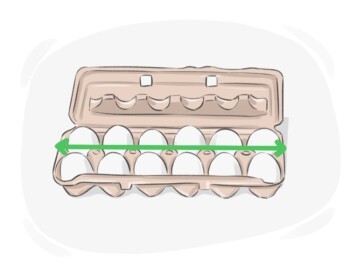
a group of people or objects placed in a line

fila
fila

Ex: At the movie theater, we chose seats in the middle row for the best view of the screen. 

En el cine, elegimos asientos en la fila del medio para la mejor vista de la pantalla.

to prefer
to prefer
[Verbo]

to want or choose one person or thing instead of another because of liking them more

preferir

preferir

Ex: He prefers spending his weekends reading a good book rather than going to crowded events. 

Él prefiere pasar sus fines de semana leyendo un buen libro en lugar de ir a eventos concurridos.

so
so
[Adverbio]

used to indicate that something else is true in a similar way

así, igualmente

así, igualmente

Ex: The company expanded overseas, and so did its competitors. 

La empresa se expandió en el extranjero, y también lo hicieron sus competidores.
too
too
[Adverbio]

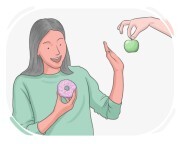
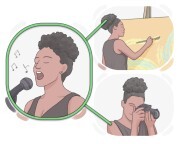
used to show that a statement about one thing or person also applies to another

también

también

Ex: He passed the exam, and I did too. 

Él aprobó el examen, y yo también.

either
either
[Adverbio]

used after negative statements to indicate a similarity between two situations or feelings

tampoco

tampoco

Ex: She didn’t answer my call, and she didn’t reply to my message either. 

No contestó mi llamada, y tampoco respondió a mi mensaje.
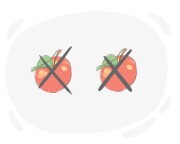
neither
neither
[Adverbio]

used to indicate that something is not one thing nor the other in a given context or situation

tampoco, ni

tampoco, ni

LanGeek
Descargar la aplicación LanGeek