pattern

El libro Interchange - Principiante - Unidad 6 - Parte 2

Aquí encontrarás el vocabulario de la Unidad 6 - Parte 2 del libro de curso Interchange Beginner, como "necesitar", "temprano", "fin de semana", etc.

Revisión

Tarjetas de memoria

formas

Ortografía

Cuestionario

Empezar a aprender
Interchange - Beginner
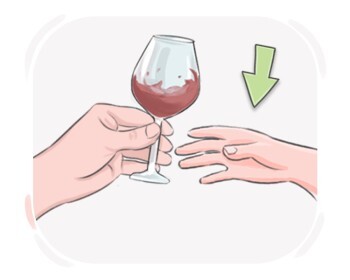
to take
to take
[Verbo]

to reach for something and hold it

tomar

tomar

Ex: May I take your coat and hat, sir? 

¿Puedo tomar su abrigo y sombrero, señor?

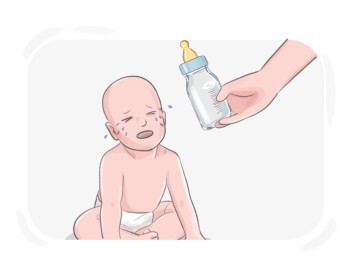
to live
to live
[Verbo]

to have your home somewhere specific

vivir
vivir

Ex: She has lived in the same small town since she was born. 

Ella ha vivido en el mismo pueblo pequeño desde que nació.

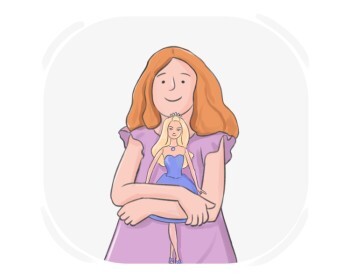
to need
to need
[Verbo]

to want something or someone that we must have if we want to do or be something

necesitar
necesitar

Ex: She needs a ride to the airport tomorrow. 

Ella necesita un viaje al aeropuerto mañana.

to have
to have
[Verbo]

to hold or own something

tener

tener

Ex: Does your friend have a reliable computer? 

¿Tiene tu amigo una computadora confiable?

late
late
[Adjetivo]

doing or happening after the time that is usual or expected

tarde, atrasado

tarde, atrasado

Ex: He apologized for being late to the party. 

Se disculpó por llegar tarde a la fiesta.

early
early
[Adjetivo]

happening or done before the usual or scheduled time

temprano
temprano

Ex: She decided to leave work early to beat the traffic. 

Ella decidió salir del trabajo temprano para evitar el tráfico.

weekend
weekend
[Sustantivo]

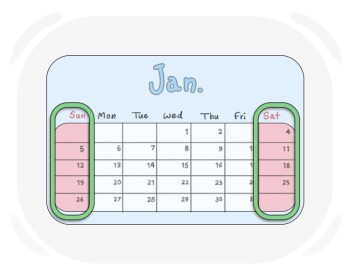
the days of the week, usually Saturday and Sunday, when people do not have to go to work or school

fin de semana, wikén

fin de semana, wikén

Ex: Weekends allow me to take a break from work and recharge for the next week. 

Los fines de semana me permiten tomar un descanso del trabajo y recargar energías para la próxima semana.

all
all
[Determinante]

used to refer to every number, part, amount of something or a particular group

todo

todo

Ex: All the students passed the test. 

Todos los estudiantes aprobaron el examen.

day
day
[Sustantivo]

a period of time that is made up of twenty-four hours

día

día

Ex: Let's plan a movie night for this Saturday, it will be a fun day. 

Planifiquemos una noche de cine este sábado, será un día divertido.

at
at
[Preposición]

expressing the exact time when something happens

a

a

Ex: The event is scheduled at 3:15 PM. 

El evento está programado a las 3:15 PM.

on
on
[Preposición]

used to show a day or date

[preposición utilizada para indicar el tiempo]

[preposición utilizada para indicar el tiempo]

Ex: She gave birth on Christmas Day. 

Ella dio a luz el día de Navidad.

schedule
schedule
[Sustantivo]

a plan or timetable outlining the sequence of events or activities

horario

horario

Ex: He adjusted his schedule to accommodate the unexpected changes in his travel plans. 

Ajustó su horario para acomodar los cambios inesperados en sus planes de viaje.

interview
interview
[Sustantivo]

a meeting at which one is asked some questions to see whether one is qualified for a course of study, job, etc.

entrevista

entrevista

Ex: The university admissions committee conducted interviews to assess each applicant's suitability for the program. 

El comité de admisiones de la universidad realizó entrevistas para evaluar la idoneidad de cada solicitante para el programa.

unusual
unusual
[Adjetivo]

not commonly happening or done

inusual

inusual

Ex: The concert started at an unusual time, late in the afternoon. 

El concierto comenzó a una hora inusual, al final de la tarde.

professional
professional
[Adjetivo]

doing an activity as a job and not just for fun

profesional
profesional

Ex: The company hired a professional consultant to improve their business operations. 

La empresa contrató a un consultor profesional para mejorar sus operaciones comerciales.

correct
correct
[Adjetivo]

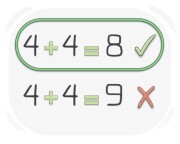
accurate and in accordance with reality or truth

correcto
correcto

Ex: She realized that her initial assumption was correct. 

Se dio cuenta de que su suposición inicial era correcta.

to pay
to pay
[Verbo]

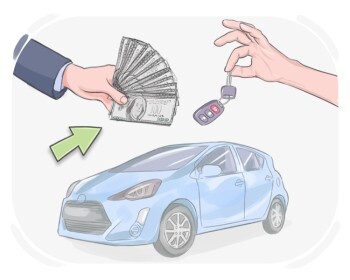
to give someone money in exchange for goods or services

pagar
pagar

Ex: He paid the cleaning service to tidy up the house. 

Él pagó el servicio de limpieza para ordenar la casa.

strange
strange
[Adjetivo]

having unusual, unexpected, or confusing qualities

extraño, raro

extraño, raro

Ex: It's strange that he didn't call, he's usually so punctual. 

Extraño que no haya llamado, suele ser tan puntual.

to love
to love
[Verbo]

to have very strong feelings for someone or something that is important to us and we like a lot and want to take care of

querer
querer

Ex: She knew he was the one she loved when he supported her through a difficult time. 

Ella supo que él era al que amaba cuando la apoyó en un momento difícil.

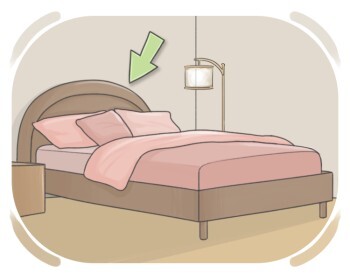
bed
bed
[Sustantivo]

furniture we use to sleep on that normally has a frame and mattress

cama

cama

Ex: I make my bed every morning to keep it tidy. 

Hago mi cama todas las mañanas para mantenerla ordenada.

different
different
[Adjetivo]

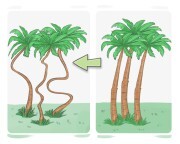
not like another thing or person in form, quality, nature, etc.

diferente

diferente

Ex: She tried different hairstyles to change her look. 

Ella probó diferentes peinados para cambiar su apariencia.

every
every
[Determinante]

used to refer to all the members of a group of things or people

cada

cada

Ex: Every star in the sky whispered secrets of the universe to the attentive astronomer. 

Cada estrella en el cielo susurraba secretos del universo al astrónomo atento.

early bird
early bird
[Sustantivo]

someone who has a tendency to get up early every morning

madrugador, persona de mañanas

madrugador, persona de mañanas

Ex: As an early bird, he enjoys the quiet and peaceful mornings for his daily meditation. 

Siempre ha sido madrugador, incluso los fines de semana.
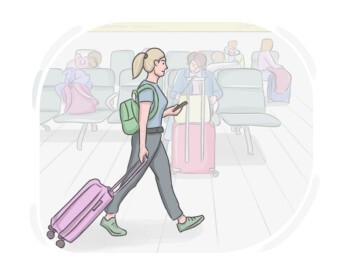
to travel
to travel
[Verbo]

to go from one location to another, particularly to a far location

viajar

viajar

Ex: They traveled to the mountains to enjoy hiking and skiing. 

Ellos viajaron a las montañas para disfrutar del senderismo y el esquí.

to stay
to stay
[Verbo]

to remain in a particular place

quedarse

quedarse

Ex: We'll stay at the office to finish the project on time. 

Permanecemos en la oficina para terminar el proyecto a tiempo.

right
right
[Adverbio]

used to indicate the exact time or place of something

correctamente
correctamente

Ex: The restaurant is right here, across the street from the park. 

El restaurante está justo aquí, al otro lado de la calle del parque.

each
each
[Adverbio]

used to consider every member or item of a group separately

cada uno

cada uno

Ex: The runners received a medal each for finishing the race. 

Los corredores recibieron una medalla cada uno por terminar la carrera.
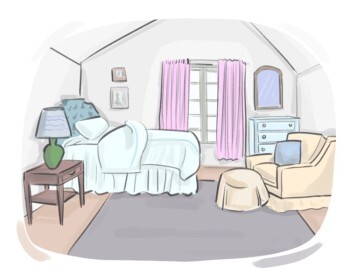
room
room
[Sustantivo]

a space in a building with walls, a floor, and a ceiling where people do different activities

habitación

habitación

Ex: There is a small room next to the living room for reading. 

Hay una pequeña habitación junto a la sala de estar para leer.

light
light
[Sustantivo]

a type of electromagnetic radiation that makes it possible to see, produced by the sun or another source of illumination

luz

luz

Ex: Photographers often adjust the light to achieve the perfect shot. 

Los fotógrafos a menudo ajustan la luz para lograr la toma perfecta.

hotel
hotel
[Sustantivo]

a building where we give money to stay and eat food in when we are traveling

hotel

hotel

Ex: I stayed at a luxurious hotel during my vacation. 

Me alojé en un hotel lujoso durante mis vacaciones.

travel agency
travel agency
[Sustantivo]

a business that makes arrangements for people who want to travel

agencia de viajes

agencia de viajes

Ex: She works at a travel agency that specializes in arranging luxury cruises. 

Ella trabaja en una agencia de viajes especializada en organizar cruceros de lujo.
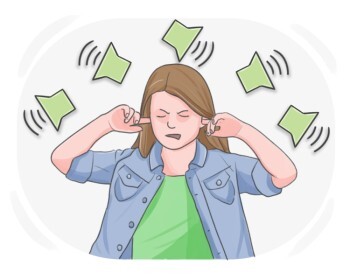
noise
noise
[Sustantivo]

sounds that are usually unwanted or loud

ruido

ruido

Ex: The noise from the party next door kept him awake all night. 

El ruido de la fiesta de al lado lo mantuvo despierto toda la noche.

business people
business people
[Sustantivo]

people who are involved in commercial or industrial activities, such as buying, selling, or managing a company

hombres de negocios, empresarios

hombres de negocios, empresarios

Ex: The city is a hub for business people and entrepreneurs. 

La ciudad es un centro para los empresarios y los emprendedores.
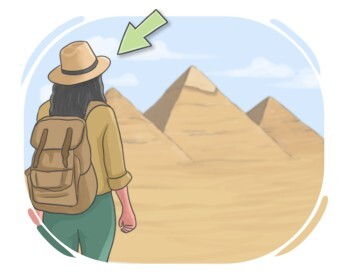
tourist
tourist
[Sustantivo]

someone who visits a place or travels to different places for pleasure

turista

turista

Ex: She worked as a tour guide, assisting tourists in understanding the history of the city. 

Ella trabajó como guía turística, ayudando a los turistas a entender la historia de la ciudad.

to know
to know
[Verbo]

to have some information about something

saber

saber

Ex: He knows that he needs to study more for the exam. 

Él sabe que necesita estudiar más para el examen.

manager
manager
[Sustantivo]

someone who is in charge of running a business or managing part or all of a company or organization

director

director

Ex: Sarah was promoted to manager of the marketing department. 

Sarah fue ascendida a gerente del departamento de marketing.

LanGeek
Descargar la aplicación LanGeek