
Adjetivos de Atributos Humanos Abstractos - Adjetivos de rasgos intelectuales negativos
Los adjetivos de rasgos intelectuales negativos describen cualidades indeseables de la mente y el intelecto, como "tonto", "ignorante", "descuidado", etc.
Revisión
Tarjetas de memoria
Ortografía
Cuestionario
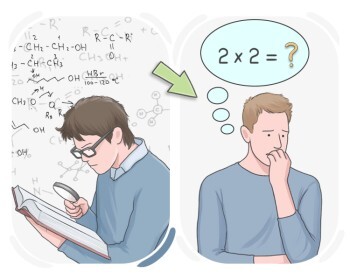
(of a person) not having common sense or the ability to understand or learn as fast as others

estúpido, not smart

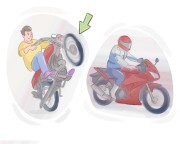
extremely unreasonable or stupid, particularly in a manner that is likely to be dangerous
insensato
Saltar de un puente sin paracaídas es insensato.
very foolish, unreasonable, or absurd
loco
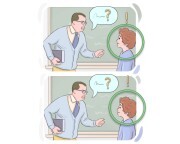
lacking intelligence or the ability to think clearly
estúpido, tonto
El estudiante tonto encontró difícil seguir el ritmo de la clase.

lacking experience and wisdom due to being young
ingenuo, inocente
El adolescente ingenuo cayó en la estafa, sin darse cuenta del engaño detrás de la oferta tentadora.
behaving in a crazy or irrational manner
loco, chiflado
Ella se volvió loca cuando vio la factura.

having or showing excessive or uncontrollable worry or interest in something
obsesionado, apasionado
El fan obsesionado tenía un santuario dedicado a su celebridad favorita, coleccionando cada pieza de memorabilia disponible.
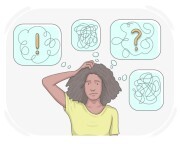
lacking sophistication, worldly experience, or social refinement
ignorante
Ella dio una respuesta ignorante, mostrando poca conciencia de las normas culturales.
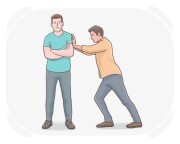
showing firmness in one's opinions and refusing to be swayed or influenced
firme
La maestra se mantuvo firme en su decisión de mantener las reglas del aula, incluso ante las protestas de los estudiantes.
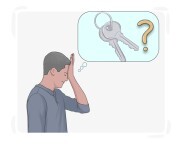
unaware or forgetful of something
inconsciente
A menudo se sumergía tanto en su trabajo que se volvía ajeno al paso del tiempo, olvidando frecuentemente tomar descansos.

able to achieve what one wants through sly or underhanded means
astuto
El ladrón astuto logró robar varias carteras a turistas desprevenidos en el mercado abarrotado.

(of an act or statement) causing trouble, harm, or inconvenience
malicioso
Su comportamiento travieso causó muchos conflictos innecesarios.

lacking knowledge, understanding, or awareness about a particular situation or subject
ignorante, perdido
Su expresión desconocedora reveló que no estaba al tanto de la importante reunión programada para esa tarde.

having a limited perspective or outlook, often isolated and closed off from new ideas or influences
insular, estrecho
La cultura empresarial insular sofocó la innovación y la creatividad, obstaculizando el progreso.

failing to act with the appropriate level of care or attention, often resulting in harm or damage to others
negligente, descuidado
El propietario fue acusado de negligencia en la gestión de la propiedad, lo que condujo a condiciones de vida inseguras.

believing in irrational or supernatural ideas or practices, often based on luck or omens
supersticioso, supersticiosa
La creencia supersticiosa en el viernes 13 como un día de mala suerte ha llevado a la evitación generalizada de ciertas actividades en esa fecha.
using clever and usually deceitful methods to achieve what one wants
astuto
Se le ocurrió una excusa astuta para evitar la reunión.
lacking the ability to understand, reason, or make good decisions
poco inteligente
Se le considera poco inteligente porque tiene dificultades con las matemáticas básicas.
having a tendency to be forgetful, disorganized, or easily distracted
despistado, distraído
El profesor despistado a menudo pierde la noción del tiempo durante las clases, divagando y olvidando puntos importantes.
believing things very easily and being easily tricked because of it
crédulo
El turista crédulo cayó en la historia triste del estafador y terminó perdiendo todo su dinero.
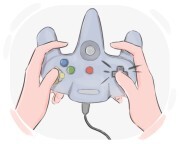
showing poor judgment or clumsiness in actions
inepto, torpe
A pesar de sus buenas intenciones, sus intentos ineptos de coquetear solo sirvieron para avergonzarlo a él y al destinatario.
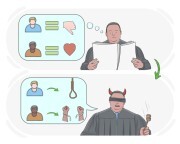
holding opinions or judgments influenced by personal bias rather than objective reasoning
prejuiciado, predispuesto
Una perspectiva prejuiciada puede distorsionar el análisis histórico.
likely to forget things or having difficulty to remember events
olvidadizo
Es olvidadizo y a menudo se olvida de los cumpleaños de las personas.
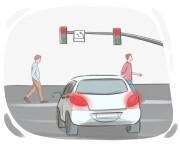
willingly obeying rules or doing what other people demand
conforme, sumiso
El paciente cumplidor sigue diligentemente las órdenes del médico con respecto a la medicación y el tratamiento.
lacking knowledge or understanding in a particular subject or area
analfabeto, ignorante
Era analfabeto en las artes, nunca había visitado un museo o asistido a una representación teatral.
failing to give the needed amount of attention and care toward fulfilling one's obligations
negligente
La empresa fue negligente en el mantenimiento de los estándares de seguridad en el lugar de trabajo, lo que provocó varios accidentes.

taking advantage of opportunities, often with little regard for ethical considerations or the needs of others
oportunista
Las tácticas de marketing oportunistas de la empresa explotaron a consumidores vulnerables en tiempos de crisis.
