pattern

抽象的な人間の属性の形容詞 - 否定的な知的特性の形容詞

否定的な知的特性を表す形容詞は、"愚かな"、"無知な"、"不注意な"など、心と知性の望ましくない性質を説明します。

レビュー

フラッシュカード

綴り

クイズ

学習を開始
Categorized English Adjectives of Abstract Human Attributes
stupid
stupid
[形容詞]

(of a person) not having common sense or the ability to understand or learn as fast as others

愚かな,ばかな, not smart

愚かな,ばかな, not smart

Ex: Don't be stupid, the answer is right in front of you. 

馬鹿になるな、答えは目の前にある。

insane
insane
[形容詞]

extremely unreasonable or stupid, particularly in a manner that is likely to be dangerous

狂った, 馬鹿げた

狂った, 馬鹿げた

Ex: It's insane to drive while intoxicated. 

酔っ払って運転するのは狂気の沙汰だ。

crazy
crazy
[形容詞]

extremely foolish or absurd in a way that seems insane

狂った, ばかげた

狂った, ばかげた

Ex: She has a crazy habit of eating dessert before her main meal. 

彼女にはメインディッシュの前にデザートを食べるというクレイジーな習慣がある。
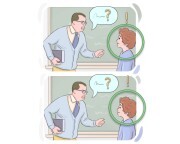
dumb
dumb
[形容詞]

lacking intelligence or the ability to think clearly

愚かな, 馬鹿な

愚かな, 馬鹿な

Ex: He's dumb for thinking he could get away with cheating on the test. 

彼はテストでカンニングをして逃げ切れると思っているなんて馬鹿だ。

naive
naive
[形容詞]

lacking experience and wisdom due to being young

無邪気な, 世間知らずの

無邪気な, 世間知らずの

Ex: She was naive to the ways of the world, trusting everyone she met without question. 

彼女は世の中のやり方に対して無知で、出会う人を疑うことなく信じていました。

nuts
nuts
[形容詞]

behaving in a crazy or irrational manner

狂った, 気が狂った

狂った, 気が狂った

Ex: That guy is nuts if he thinks this plan will work. 

あの男は、この計画がうまくいくと思っているなら頭がおかしい。

obsessed
obsessed
[形容詞]

having or showing excessive or uncontrollable worry or interest in something

執着した, 熱中した

執着した, 熱中した

Ex: After watching the TV series, she became obsessed with the characters, spending all her free time discussing theories and analyzing episodes. 

テレビシリーズを見た後、彼女はキャラクターに取りつかれ、すべての自由な時間を理論を議論し、エピソードを分析することに費やしました。

ignorant
ignorant
[形容詞]

lacking sophistication, worldly experience, or social refinement

無知な, 世間知らずの

無知な, 世間知らずの

Ex: The ignorant traveler offended the locals by ignoring customs. 

無知な旅行者は習慣を無視して地元の人々を怒らせた。

adamant
adamant
[形容詞]

showing firmness in one's opinions and refusing to be swayed or influenced

断固とした, 頑固な

断固とした, 頑固な

Ex: She was adamant about her decision to pursue a career in medicine, despite opposition from her family. 

彼女は家族の反対にもかかわらず、医学の道を進むという決意に固執していた。

oblivious
oblivious
[形容詞]

unaware or forgetful of something

気づかない, 忘れっぽい

気づかない, 忘れっぽい

Ex: The oblivious student forgot to submit their assignment, unaware of the deadline passing. 

気づいていない学生は締め切りが過ぎたことに気づかず、課題を提出するのを忘れました。

cunning
cunning
[形容詞]

able to achieve what one wants through sly or underhanded means

狡猾な, ずるい

狡猾な, ずるい

Ex: The cunning fox devised a plan to sneak into the henhouse and steal the eggs without being detected. 

狡猾な狐は、鶏小屋にこっそり入り込んで卵を盗む計画を立てた。

mischievous
mischievous
[形容詞]

(of an act or statement) causing trouble, harm, or inconvenience

いたずら好きな, 悪意のある

いたずら好きな, 悪意のある

Ex: The mischievous comment was intended to hurt her feelings. 

そのいたずらなコメントは、彼女の気持ちを傷つけるためのものだった。

clueless
clueless
[形容詞]

lacking knowledge, understanding, or awareness about a particular situation or subject

無知な, 困惑した

無知な, 困惑した

Ex: Despite the detailed explanation, she remained clueless about how to operate the new software. 

詳細な説明にもかかわらず、彼女は新しいソフトウェアの操作方法について見当もつかなかった。

insular
insular
[形容詞]

having a limited perspective or outlook, often isolated and closed off from new ideas or influences

偏狭な, 孤立した

偏狭な, 孤立した

Ex: The insular community was resistant to outside influences, preferring to maintain its traditional ways. 

孤立したコミュニティは外部の影響に抵抗し、伝統的な方法を維持することを好んだ。

negligent
negligent
[形容詞]

failing to act with the appropriate level of care or attention, often resulting in harm or damage to others

怠慢な, 不注意な

怠慢な, 不注意な

Ex: The company was sued for negligent maintenance of its equipment, leading to a workplace accident. 

その会社は設備の怠慢な維持管理により訴訟を起こされ、労働災害を引き起こしました。

superstitious
superstitious
[形容詞]

believing in irrational or supernatural ideas or practices, often based on luck or omens

迷信的な, 迷信を信じる

迷信的な, 迷信を信じる

Ex: She is superstitious about walking under ladders, believing it brings bad luck. 

彼女は梯子の下を歩くことについて迷信的で、それが不運をもたらすと信じています。

crafty
crafty
[形容詞]

using clever and usually deceitful methods to achieve what one wants

狡猾な, ずる賢い

狡猾な, ずる賢い

Ex: Her crafty negotiation tactics allowed her to secure a favorable deal for her company. 

彼女の狡猾な交渉戦術により、会社にとって有利な取引を確保することができた。

unintelligent
unintelligent
[形容詞]

lacking the ability to understand, reason, or make good decisions

知性のない, 愚かな

知性のない, 愚かな

Ex: Although John was unintelligent in school, he later became successful in business. 

ジョンは学校では頭が悪かったが、後にビジネスで成功した。

scatterbrained
scatterbrained
[形容詞]

having a tendency to be forgetful, disorganized, or easily distracted

忘れっぽい, 散漫な

忘れっぽい, 散漫な

Ex: She's always scatterbrained, constantly forgetting where she left her keys or what she was supposed to do next. 

彼女はいつもおっちょこちょいで、鍵をどこに置いたか、次に何をすべきか常に忘れてしまいます。

gullible
gullible
[形容詞]

believing things very easily and being easily tricked because of it

騙されやすい, 軽信しやすい

騙されやすい, 軽信しやすい

Ex: He's so gullible that he believes every story he hears without questioning its validity. 

彼はとても騙されやすいので、聞いた話の正当性を疑うことなくすべてを信じてしまいます。
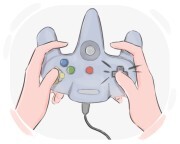
inept
inept
[形容詞]

showing poor judgment or clumsiness in actions

無能な, 不器用な

無能な, 不器用な

Ex: His inept management style led to high employee turnover and low morale within the company. 

彼の無能な管理スタイルは、会社内での高い従業員離職率と低い士気につながりました。
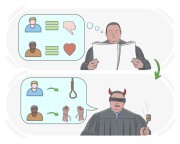
prejudiced
prejudiced
[形容詞]

holding opinions or judgments influenced by personal bias rather than objective reasoning

偏見を持った, 偏った

偏見を持った, 偏った

Ex: His review was prejudiced, favoring his friend's work unfairly. 

彼のレビューは偏見に満ちており、友人の作品を不当に優遇していました。

forgetful
forgetful
[形容詞]

likely to forget things or having difficulty to remember events

忘れっぽい,  物忘れの激しい

忘れっぽい, 物忘れの激しい

Ex: She’s been quite forgetful lately, misplacing her keys all the time. 

彼女は最近とても忘れっぽい、いつも鍵をなくしている。

compliant
compliant
[形容詞]

willingly obeying rules or doing what other people demand

従順な, 服従的な

従順な, 服従的な

Ex: The compliant student always completes assignments on time and follows classroom rules. 

従順な生徒は常に課題を時間通りに完了し、教室のルールに従います。

illiterate
illiterate
[形容詞]

lacking knowledge or understanding in a particular subject or area

無学の, 無知な

無学の, 無知な

Ex: Despite living in a multicultural society, he remained illiterate in terms of understanding different cultures and traditions. 

多文化社会に住んでいるにもかかわらず、彼は異なる文化や伝統を理解する点で無知のままでした。

remiss
remiss
[形容詞]

failing to give the needed amount of attention and care toward fulfilling one's obligations

怠慢な, 不注意な

怠慢な, 不注意な

Ex: He was remiss in completing his assigned tasks on time. 

彼は割り当てられたタスクを時間内に完了するのに怠慢だった。

opportunistic
opportunistic
[形容詞]

taking advantage of opportunities, often with little regard for ethical considerations or the needs of others

日和見的な

日和見的な

Ex: He displayed opportunistic behavior by taking credit for his colleague's ideas whenever it benefited him. 

彼は、同僚のアイデアの功績を自分に帰するという日和見主義的な行動を示した。

LanGeek
LanGeekアプリをダウンロード