pattern

Vocabulario para IELTS General (Puntuación 5) - Animales

Aquí, aprenderás algunas palabras en inglés relacionadas con los animales que son necesarias para el examen IELTS General Training.

Revisión

Tarjetas de memoria

Ortografía

Cuestionario

Empezar a aprender
Vocabulary for General Training IELTS (5)
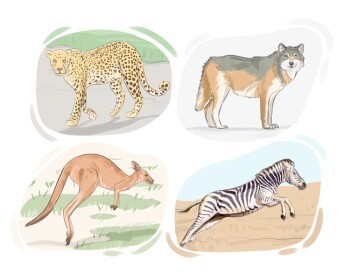
mammal
mammal
[Sustantivo]

a class of animals to which humans, cows, lions, etc. belong, have warm blood, fur or hair and typically produce milk to feed their young

mamífero

mamífero

Ex: Elephants, with their distinctive trunks and large ears, are among the most iconic mammals found in Africa and Asia. 

Los elefantes, con sus distintivas trompas y grandes orejas, están entre los mamíferos más icónicos que se encuentran en África y Asia.

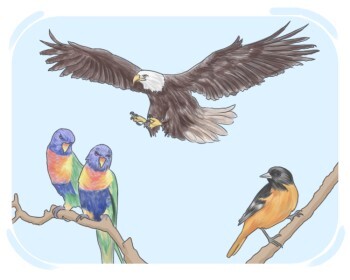
bird
bird
[Sustantivo]

an animal with a beak, wings, and feathers that is usually capable of flying

pájaro
pájaro

Ex: The bird had bright feathers and a long beak. 

El pájaro tenía plumas brillantes y un pico largo.

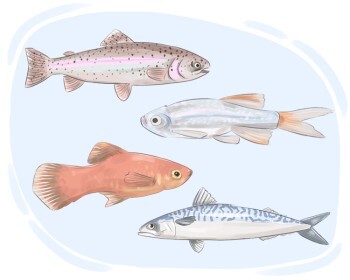
fish
fish
[Sustantivo]

an animal with a tail, gills and fins that lives in water

pez
pez

Ex: The colorful fish in the aquarium captured my attention. 

El pez colorido en el acuario captó mi atención.

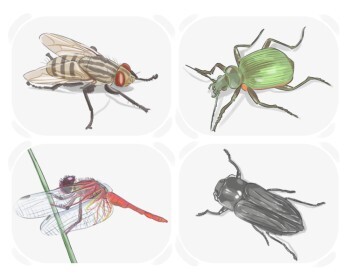
insect
insect
[Sustantivo]

a small creature such as a bee or ant that has six legs, and generally one or two pairs of wings

insecto, bicho

insecto, bicho

Ex: Mark used a magnifying glass to examine the intricate details of the insect. 

Mark usó una lupa para examinar los intrincados detalles del insecto.

prey
prey
[Sustantivo]

an animal that is hunted and eaten by another animal

presa

presa

Ex: The spider spun a web to catch its prey. 

La araña tejió una telaraña para atrapar a su presa.

species
species
[Sustantivo]

a group that animals, plants, etc. of the same type which are capable of producing healthy offspring with each other are divided into

especie

especie

Ex: The red wolf is a species of wolf that is native to the southeastern United States. 

El lobo rojo es una especie de lobo nativa del sureste de los Estados Unidos.
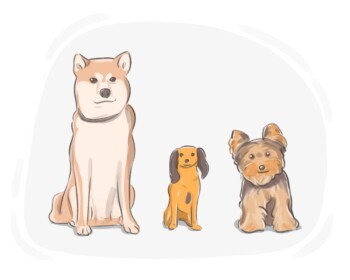
breed
breed
[Sustantivo]

a particular type of animal or plant that has typically been domesticated by people in a certain way

raza
raza

Ex: The Siamese cat breed is recognized for its striking blue eyes and vocal nature. 

La raza de gato siamés es reconocida por sus llamativos ojos azules y su naturaleza vocal.

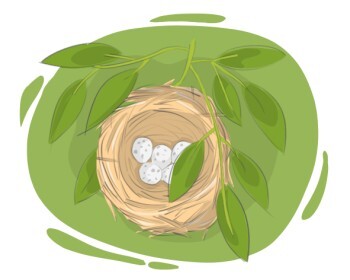
nest
nest
[Sustantivo]

a structure that a bird makes for laying eggs or keeping the hatchlings in

nido

nido

Ex: The mother bird fiercely protected her nest from curious squirrels. 

La madre pájaro protegió ferozmente su nido de las ardillas curiosas.

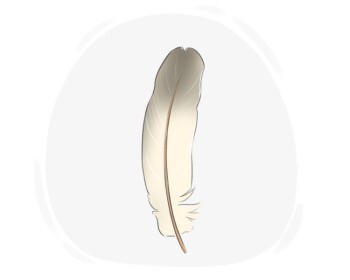
feather
feather
[Sustantivo]

any of the light and soft parts covering the body of a bird

pluma

pluma

Ex: The pillow was filled with soft goose feathers, providing a comfortable place to rest. 

La almohada estaba llena de suaves plumas de ganso, proporcionando un lugar cómodo para descansar.

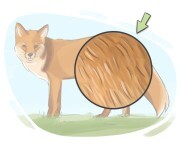
fur
fur
[Sustantivo]

the thick, soft hair that grows on the body of some animals such as cats, dogs, etc.

pelo, pelaje

pelo, pelaje

Ex: She brushed the rabbit's fur gently to remove any loose hairs. 

Ella cepilló suavemente el pelaje del conejo para quitar los pelos sueltos.

claw
claw
[Sustantivo]

a sharp and curved nail on the toe of an animal or a bird

garra

garra

Ex: A claw on the lobster is strong enough to break shells. 

Una garra en la langosta es lo suficientemente fuerte como para romper conchas.
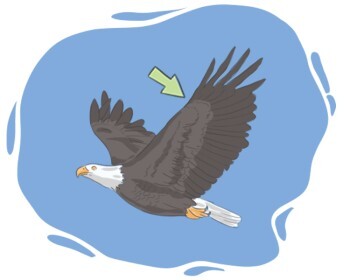
wing
wing
[Sustantivo]

any of the two parts of the body of a bird, insect, etc. used for flying

ala
ala

Ex: The eagle’s powerful wings beat against the air as it flew. 

Las poderosas alas del águila batían contra el aire mientras volaba.

tail
tail
[Sustantivo]

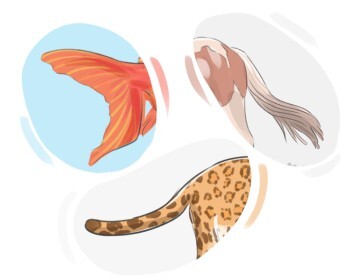
the part of the body of an animal, a bird or a fish that sticks out at the back, which can move

cola
cola

Ex: The kangaroo uses its tail for balance while hopping. 

El canguro usa su cola para mantener el equilibrio mientras salta.

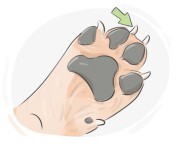
paw
paw
[Sustantivo]

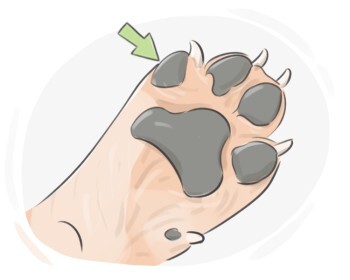
an animal's foot that typically has a combination of nails, claws, fur, and pads

pata

pata

Ex: With gentle strokes, the veterinarian examined the cat's paw for any signs of injury or infection. 

Con movimientos suaves, el veterinario examinó la pata del gato en busca de signos de lesión o infección.
zoo
zoo
[Sustantivo]

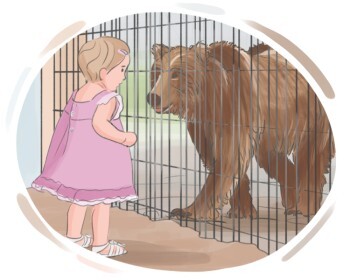
a place where many kinds of animals are kept for exhibition, breeding, and protection

zoo

zoo

Ex: I love going to the zoo because I can see lions, tigers, and bears up close. 

Me encanta ir al zoológico porque puedo ver leones, tigres y osos de cerca.
aquarium
aquarium
[Sustantivo]

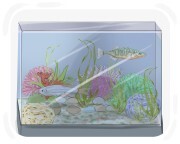
a large container usually made of glass that is filled with water in which fish and other sea creatures are kept

acuario

acuario

Ex: She spends hours watching the angelfish swim in her bedroom aquarium. 

Ella pasa horas viendo nadar a los peces ángel en el acuario de su dormitorio.
wild
wild
[Adjetivo]

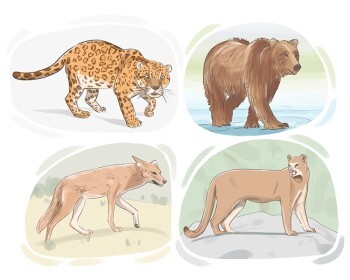
(of an animal or plant) living or growing in a natural state, without any human interference

salvaje
salvaje

Ex: The dense jungle provides shelter for many wild creatures. 

La densa selva proporciona refugio a muchas criaturas salvajes.

domestic
domestic
[Adjetivo]

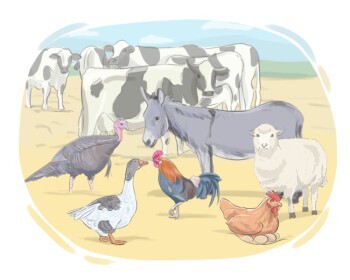
(of an animal) capable of living with humans, either on a farm or as a pet in a house

doméstico

doméstico

Ex: Domestic horses have been integral to human civilization for centuries, serving as transportation and companionship. 

Los caballos domésticos han sido fundamentales para la civilización humana durante siglos, sirviendo como transporte y compañía.

flightless
flightless
[Adjetivo]

(of a bird or animal) Unable to fly

incapaz de volar, no volador

incapaz de volar, no volador

Ex: New Zealand's kiwi is a small, flightless bird active at night. 

El kiwi de Nueva Zelanda es un ave pequeña incapaz de volar activa por la noche.
endangered
endangered
[Adjetivo]

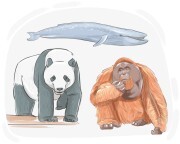
(of an animal, plant, etc.) being at risk of extinction

en peligro de extinción

en peligro de extinción

Ex: The extinction of the black rhinoceros is a tragic result of the species becoming endangered. 

La extinción del rinoceronte negro es un resultado trágico de la especie en peligro de extinción.
cold-blooded
cold-blooded
[Adjetivo]

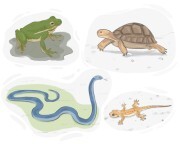
describing an animal that its body temperature changes depending on the temperature of its surroundings

de sangre fría

de sangre fría

Ex: Motionless on riverbanks, crocodiles, cold-blooded reptiles, absorb heat from the sun. 

Inmóviles en las orillas de los ríos, los cocodrilos, reptiles de sangre fría, absorben el calor del sol.
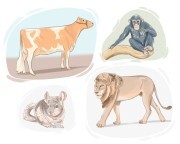
warm-blooded
warm-blooded
[Adjetivo]

describing an animal that is able to maintain a higher body temperature than its surroundings

de sangre caliente

de sangre caliente

Ex: Humans, being warm-blooded mammals, have evolved sophisticated mechanisms for temperature regulation. 

Los humanos, siendo mamíferos de sangre caliente, han evolucionado mecanismos sofisticados para la regulación de la temperatura.

LanGeek
Descargar la aplicación LanGeek