
Lista de Palabras Nivel A2 - Cuantificadores, Intensificadores y Números Ordinales
Aquí aprenderás algunas palabras en inglés sobre cantidad, como "much", "many", "most", etc. preparadas para estudiantes de A2.
Revisión
Tarjetas de memoria
Ortografía
Cuestionario
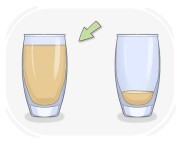
used to refer to a large degree or amount of a thing

mucho
Hay mucha emoción por el próximo concierto.
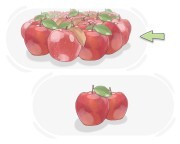
used to indicate a large number of people or things
muchos
Mucha gente vino al concierto a pesar de la lluvia.
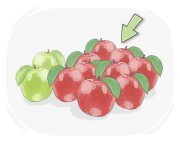
used to refer to the largest number or amount
la mayoría de
La mayoría de los estudiantes encuentran este tema desafiante.
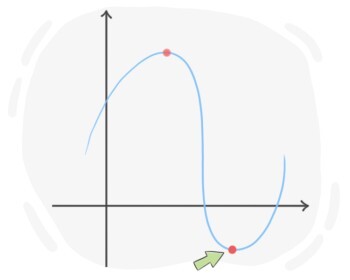
used to suggest that something is smallest in amount or number
mínimo
Ella tiene la menos paciencia cuando se trata de esperar.
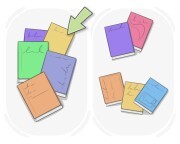
used to refer to every number, part, amount of something or a particular group
todo
Todos los estudiantes aprobaron el examen.
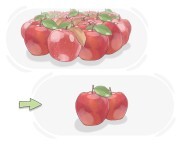
a small unspecified number of people or things
pocos
He tenido algunas ideas para el proyecto.
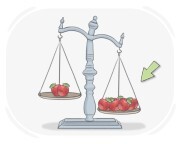
used to refer to a number, amount, or degree that is bigger or larger
más
Necesitamos más tiempo para completar el proyecto.
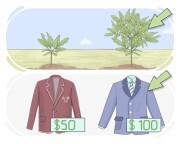
used to indicate a greater extent or degree of a particular quality
más
La segunda película fue más interesante que la primera.
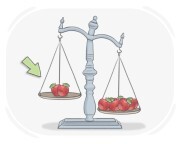
used to indicate a smaller amount or degree
menos
Hay menos tráfico en la ciudad por la noche.

to a smaller amount, extent, etc. in comparison to a previous state or another thing or person
menos
El proyecto se completó menos rápidamente de lo que habíamos esperado.
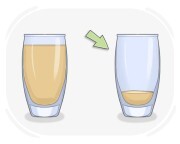
used to indicate a small degree, amount, etc.
poco
Queda poca leche en la nevera.
to a small extent or degree
poco
Ella comió muy poco en la cena.
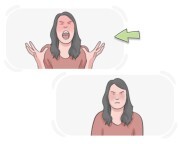
to a great extent or degree
muy
Ella estaba muy emocionada por comenzar su nuevo trabajo.

to the highest degree
muy
Ella es bastante talentosa en la pintura.
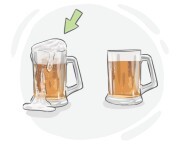
more than is acceptable, suitable, or necessary
demasiado
Él conducía demasiado rápido por la autopista.
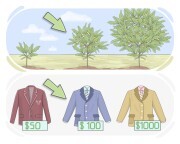
to a degree that is high but not very high
más bien, bastante
Era bastante tarde cuando finalmente llegaron a casa.
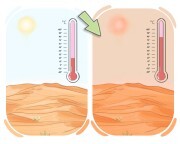
to a high degree, used for emphasis
muy, de verdad
Ella es realmente buena en el ajedrez.
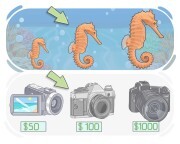
more than average, but not too much
bastante
Ella es bastante buena tocando el piano.

(of a person) coming or acting before any other person
primero
El primer estudiante en entregar la tarea recibe crédito adicional.

being number two in order or time
segundo
Él fue la segunda persona en llegar a la reunión.

coming after the second in order or position
tercero
El tercer capítulo de este libro introduce un nuevo personaje.
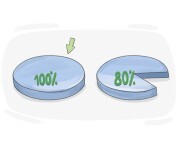
to the greatest amount or extent possible
completamente
Mi vista del escenario estaba completamente bloqueada por un hombre alto.

very much or to a great amount
tan, muy
Me duele tanto la cabeza después del largo día.
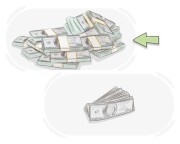
exceptionally large in degree or amount
grande
Su gran coraje frente al peligro inspiró a todos.
to a very great amount or degree
extremadamente
Ella es extremadamente amigable y hace nuevos amigos fácilmente.
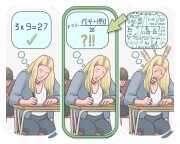
to a somewhat notable, considerable, or surprising degree
algo
Las instrucciones fueron bastante poco claras, lo que causó cierta confusión.
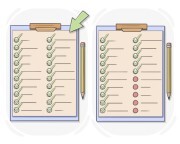
in a complete and absolute way
totalmente
La ciudad era totalmente diferente de lo que recordaba.
more than usual or greater than average
extraordinariamente
La conferencia de hoy fue inusualmente cautivadora, todos estaban completamente atentos.
used to introduce two choices or possibilities
o
Puedes o bien sentarte aquí en el jardín, o dentro de la casa.
