pattern

A2 Level Wordlist - Quantity

Here you will learn some English words about quantity, such as "much", "many", and "most", prepared for A2 learners.

Review

Flashcards

Spelling

Quiz
Start learning
CEFR A2 Vocabulary
much
much
[determiner]

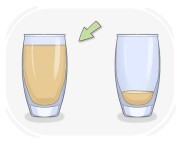
used to refer to a large degree or amount of a thing
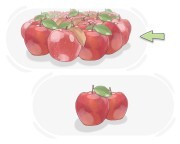
Ex: I didn't eat much lunch today, so I'm hungry. 
Close
Sign in
many
many
[determiner]

used to indicate a large number of people or things
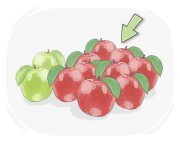
Ex: He made many mistakes in his assignment. 
Close
Sign in
most
most
[determiner]

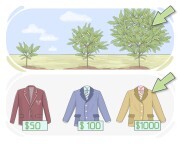
used to refer to the largest number or amount
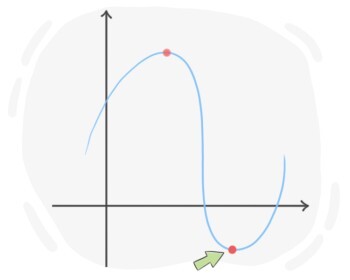
Ex: He eats most vegetables, but he doesn't like broccoli. 
Close
Sign in
least
least
[determiner]

used to suggest that something is smallest in amount or number
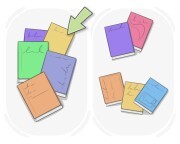
Ex: I chose the job that required the least travel. 
Close
Sign in
all
all
[determiner]

used to refer to every number, part, amount of something or a particular group
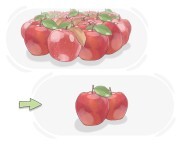
Ex: All books on this shelf belong to me. 
Close
Sign in
few
few
[determiner]

a small unspecified number of people or things
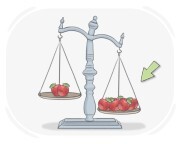
Ex: Few people understand the complexity of this issue. 
Close
Sign in
more
more
[determiner]

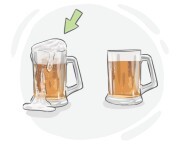
used to refer to a number, amount, or degree that is bigger or larger
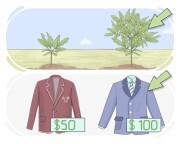
Ex: They've promised to donate more food to the shelter. 
Close
Sign in
more
more
[Adverb]

used to indicate a greater extent or degree of a particular quality
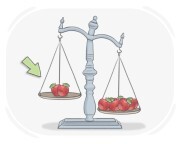
Ex: I need to study more carefully for the next test. 
Close
Sign in
less
less
[determiner]

used to indicate a smaller amount or degree

Ex: She decided to spend less time on social media. 
Close
Sign in
less
less
[Adverb]

to a smaller amount, extent, etc. in comparison to a previous state or another thing or person
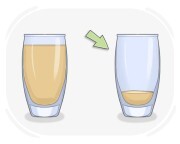
Ex: He spoke less clearly after his surgery. 
Close
Sign in
little
little
[determiner]

used to indicate a small degree, amount, etc.
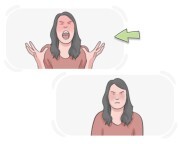
Ex: I have little time to finish the project. 
Close
Sign in
little
little
[Adverb]

to a small extent or degree

Ex: The city has changed little over the years. 
Close
Sign in
very
very
[Adverb]

to a great extent or degree

Ex: I find the math problems very difficult. 
Close
Sign in
quite
quite
[Adverb]

to the highest degree

Ex: After a long day at work, she found the warm bath quite soothing. 
Close
Sign in
too
too
[Adverb]

more than is acceptable, suitable, or necessary

Ex: This room is too cold to sleep in. 
Close
Sign in
pretty
pretty
[Adverb]

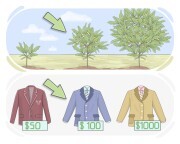
to a degree that is high but not very high
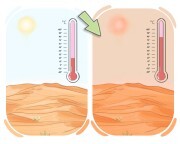
Ex: The movie was pretty good, though the ending felt rushed. 
Close
Sign in
really
really
[Adverb]

to a high degree, used for emphasis

Ex: This cake is really delicious. 
Close
Sign in
fairly
fairly
[Adverb]

more than average, but not too much

Ex: I found the assignment fairly easy; I finished it in an hour. 
Close
Sign in
first
first
[Adjective]

(of a person) coming or acting before any other person

Ex: He was the first person to climb the mountain. 
Close
Sign in
second
second
[Adjective]

being number two in order or time

Ex: This is his second attempt at solving the puzzle. 
Close
Sign in
third
third
[Adjective]

coming after the second in order or position
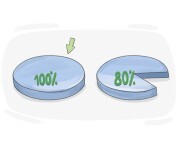
Ex: He was the third person in line for the concert. 
Close
Sign in
completely
completely
[Adverb]

to the greatest amount or extent possible

Ex: He completely forgot about the meeting. 
Close
Sign in
so
so
[Adverb]

very much or to a great amount

Ex: She looked so beautiful at the party last night. 
Close
Sign in
great
great
[Adjective]

exceptionally large in degree or amount
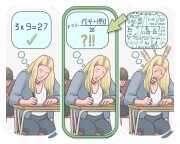
Ex: The storm caused a great deal of damage to the coastal town. 
Close
Sign in
extremely
extremely
[Adverb]

to a very great amount or degree

Ex: Her paintings are extremely impressive. 
Close
Sign in
rather
rather
[Adverb]

to a somewhat notable, considerable, or surprising degree
Ex: He was rather late for the meeting. 
Close
Sign in
totally
totally
[Adverb]

in a complete and absolute way

Ex: His explanation was totally convincing. 
Close
Sign in
unusually
unusually
[Adverb]

more than usual or greater than average

Ex: He was unusually quiet today, which made me worry about him. 
Close
Sign in
either
either
[conjunction]

used to introduce two choices or possibilities

Ex: Either wear a coat, or you'll catch a cold. 
Close
Sign in
LanGeek
Download LanGeek app