pattern

Vocabulario de Puntos de Referencia Antiguos Clave - Foro Romano

Revisión

Tarjetas de memoria

formas

Ortografía

Cuestionario

Empezar a aprender
Key Ancient Landmarks Vocabulary
famous
famous
[Adjetivo]

known by a lot of people

famoso, célebre

famoso, célebre

Ex: Tourists flock to the city to visit famous landmarks such as the Eiffel Tower. 

Los turistas acuden en masa a la ciudad para visitar monumentos famosos como la Torre Eiffel.

Rome
Rome
[Sustantivo]

the capital city of Italy, historically significant as the center of the Roman Empire and the seat of the Vatican

Roma

Roma

Ex: His ambition was so great that he often compared himself to the rulers of ancient Rome. 
Italy
Italy
[Sustantivo]

a country in southern Europe, with a long Mediterranean coastline

Italia

Italia

Ex: Italy's Mediterranean climate and diverse geography offer a wide range of outdoor activities 
building
building
[Sustantivo]

a structure that has walls, a roof, and sometimes many levels, like an apartment, house, school, etc.

edificio, construcción

edificio, construcción

Ex: The school building has a playground for the students. 
ruin
ruin
[Sustantivo]

the remains of a building, town, or other structure that has been destroyed or fallen into decay

ruinas
ruinas

Ex: Only a few stone walls remain among the ruins. 
important
important
[Adjetivo]

having a lot of value

importante

importante

Ex: Freedom of speech is an important right in democratic societies. 

La libertad de expresión es un derecho importante en las sociedades democráticas.

center
center
[Sustantivo]

a specific location or facility where a particular activity, function, or purpose is focused

centro, instalación

centro, instalación

Ex: The shopping center attracts thousands of visitors with its variety of stores and restaurants. 
to shop
to shop
[Verbo]

to look for and buy different things from stores or websites

hacer compras

hacer compras

Ex: Families often shop for groceries together to plan meals for the week. 
to meet
to meet
[Verbo]

to come together as previously scheduled for social interaction or a prearranged purpose

encontrarse, reunirse

encontrarse, reunirse

Ex: We should meet at the theater before the movie starts. 
temple
temple
[Sustantivo]

a building used for religious worship, especially in religions such as Hinduism and Buddhism

templo

templo

Ex: The temple attracts thousands of visitors each year. 
to pray
to pray
[Verbo]

to address God or another deity in worship, thanks, praise, or a request for help

rezar

rezar

Ex: People gathered at the church to pray together. 
god
god
[Sustantivo]

any supernatural being worshipped for controlling aspects of life or personifying a force

dios, deidad

dios, deidad

Ex: Many cultures have a god of war, representing strength and valor. 
government
government
[Sustantivo]

the group of politicians in control of a country or state

gobierno

gobierno

Ex: The government is responsible for ensuring that laws are followed and citizens' rights are protected. 
leader
leader
[Sustantivo]

a person who leads or commands others

líder
líder

Ex: Effective political leaders prioritize the welfare of their constituents. 
to [make] a decision

to create or choose a course of action from various options after considering the available information and potential consequences

Ex: Making the decision to invest in their education paid off in the long run. 
to honor
to honor
[Verbo]

to show a lot of respect for someone or something

honrar

honrar

Ex: The soldiers honored their fallen comrades with a solemn ceremony at the war memorial. 
marketplace
marketplace
[Sustantivo]

an area in a town where goods and services are bought and sold

mercado,  plaza del mercado

mercado, plaza del mercado

to buy
to buy
[Verbo]

to get something in exchange for paying money

comprar

comprar

Ex: Let's buy some flowers for her birthday. 
to sell
to sell
[Verbo]

to give something to someone in exchange for money

vender

vender

Ex: Do you think they'll sell their old bicycles at the flea market? 
goods
goods
[Sustantivo]

items made or produced for sale

bienes

bienes

Ex: The shipment of goods arrived late, causing a delay in restocking the shelves. 

El envío de mercancías llegó tarde, lo que causó un retraso en el reabastecimiento de los estantes.

to trade
to trade
[Verbo]

to buy and sell or exchange items of value

comerciar

comerciar

Ex: Countries trade various goods and resources to meet their economic needs. 
clothes
clothes
[Sustantivo]

the things we wear to cover our body, such as pants, shirts, and jackets

ropa

ropa

Ex: My mother asked me to fold my clothes and organize them in my closet. 
busy
busy
[Adjetivo]

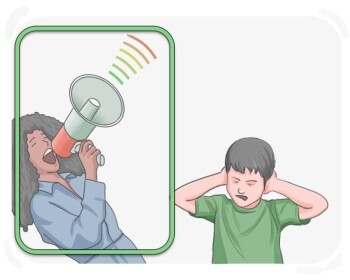
(of a place) full of activity or people

ocupado
ocupado

Ex: The café was busy, with people chatting and working on their laptops. 
noisy
noisy
[Adjetivo]

producing or having a lot of loud and unwanted sound

ruidoso

ruidoso

Ex: The party next door was noisy, with loud music and people talking. 

La fiesta de al lado estaba ruidosa, con música alta y gente hablando.

emperor
emperor
[Sustantivo]

a male ruler of an empire

emperador

emperador

Ex: The emperor lived in a magnificent palace. 
general
general
[Sustantivo]

a high-ranking officer in the army, air force, or marines

oficial de alto rango

oficial de alto rango

Ex: The general's decisions during the conflict were pivotal, showcasing his tactical brilliance and leadership under pressure. 
hero
hero
[Sustantivo]

a person who deserves great admiration for their bravery or good deeds

héroe, heroína

héroe, heroína

Ex: Heroes inspire others by their actions. 
important
important
[Adjetivo]

(of a person) having a high rank, status, or influence within a particular field, organization, or society

importante, destacado

importante, destacado

Ex: The meeting was arranged with an important client who could bring in significant business. 

La reunión fue organizada con un cliente importante que podría traer negocios significativos.

law
law
[Sustantivo]

a country's rules that all of its citizens are required to obey

ley

ley

Ex: They studied constitutional law in law school. 
to stand
to stand
[Verbo]

(of a building) to remain upright and structurally sound

permanecer en pie, mantenerse

permanecer en pie, mantenerse

Ex: The tower is still standing but leans dangerously after the landslide. 
over
over
[Preposición]

used to express exceeding a particular amount, level, or limit

más de, por encima de

más de, por encima de

Ex: The temperature rose over 35 degrees. 
remains
remains
[Sustantivo]

surviving parts or traces of buildings, objects, or other things from the distant past

restos

restos

Ex: Stone remains of the fortress can still be seen on the hill. 
all over the (world|globe)

in every part of the world

Ex: The charity's efforts have made an impact all over the world. 
religious
religious
[Adjetivo]

related to or associated with religion, faith, or spirituality

religioso

religioso

Ex: Many religious texts contain stories of moral guidance and spiritual wisdom. 
parade
parade
[Sustantivo]

a public procession of people or vehicles held to celebrate or mark an event

Ex: The championship parade drew huge crowds downtown. 
LanGeek
Descargar la aplicación LanGeek