
Kluczowe Słownictwo Starożytnych Zabytków - Forum Romanum
Przegląd
Fiszki
formy
Pisownia
Test


known by a lot of people

sławny, znany
Słynny aktor zdobył wiele nagród za swoje role w filmach blockbuster.

the capital city of Italy, historically significant as the center of the Roman Empire and the seat of the Vatican
Rzym
Rzym znany jest z oszałamiającej architektury, w tym Koloseum i Panteonu.

a country in southern Europe, with a long Mediterranean coastline
Włochy, kraj Włochy
Mediolan, w północnych Włoszech, znany jest z przemysłu modowego i designu.
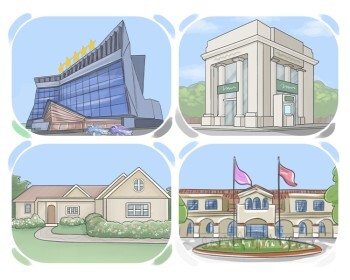
a structure that has walls, a roof, and sometimes many levels, like an apartment, house, school, etc.
budynek, gmach
Wysoki budynek wyróżnia się spośród innych konstrukcji w mieście.
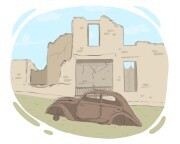
(plural) the remains of something such as a building after it has been seriously damaged or destroyed
ruiny, zgliszcza
Zrobili zdjęcia pięknych ruin o zachodzie słońca.
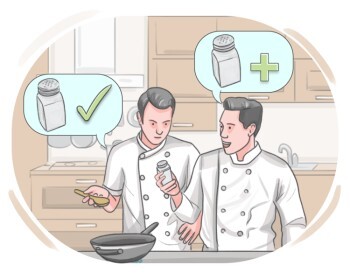
having a lot of value
ważny, kluczowy
Oszczędzanie wody jest ważne dla zrównoważonego wykorzystania zasobów naturalnych.
a specific location or facility where a particular activity, function, or purpose is focused
centrum, obiekt
Miejskie centrum kultury organizuje wystawy sztuki, koncerty i przedstawienia teatralne.

to look for and buy different things from stores or websites
kupować, robić zakupy
Rodzina obecnie robi zakupy nowych mebli, aby odnowić swój dom.
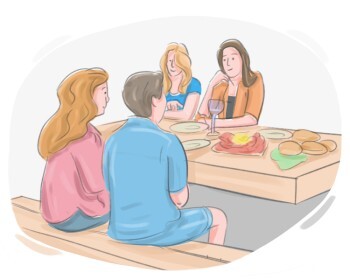
to come together as previously scheduled for social interaction or a prearranged purpose
spotkać się, zebrać się
Członkowie klubu będą spotykać się w każdy poniedziałek, aby organizować wydarzenia.

a building used for worshiping one or several gods, used by some religious communities, especially Buddhists and Hindus
świątynia, sanktuarium
Medytowali w spokojnej atmosferze buddyjskiej świątyni.

to speak to God or a deity, often to ask for help, express gratitude, or show devotion
modlić się, błagać
Społeczność zebrała się, aby modlić się o deszcz podczas suszy, szukając boskiej interwencji.
any supernatural being worshipped for controlling aspects of life or personifying a force
bóg, bóstwo
Bóg zbiorów był co roku honorowany festiwalem.
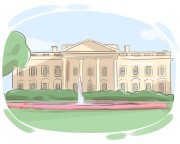
the group of politicians in control of a country or state
rząd, administracja
Rząd zapewnił fundusze pomocy w przypadku katastrof, aby pomóc społecznościom dotkniętym niedawną powodzią.
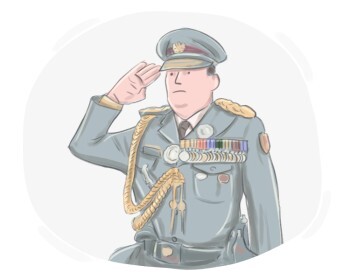
a person who leads or commands others
lider, przywódca
Nauczyciele mogą być wpływowymi liderami w kształtowaniu przyszłości uczniów.
![to [make] a decision](https://cdn.langeek.co/photo/61434/thumb/350?type=jpeg "to [make] a decision")
to create or choose a course of action from various options after considering the available information and potential consequences
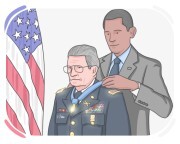
to show a lot of respect for someone or something
czcić, okazywać szacunek
Społeczność uczciła lokalnego bohatera, zmieniając nazwę parku na jego cześć.


to get something in exchange for paying money
kupować
Zawsze kupuję świeże produkty na lokalnym targu rolnym.

to give something to someone in exchange for money
sprzedawać, handlować
Marka modowa sprzedała miliony sztuk swoich nowych perfum.

items made or produced for sale
towary, produkty
Zakupy online ułatwiły bardziej niż kiedykolwiek zakup towarów z całego świata.
to buy and sell or exchange items of value
handlować, wymieniać
Platformy online aktywnie handlują różnorodnymi produktami.
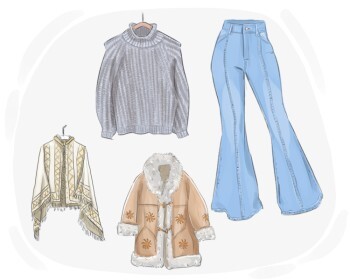
the things we wear to cover our body, such as pants, shirts, and jackets
ubrania, odzież
Otrzymała wiele komplementów za swoje stylowe ubrania.
(of a place) full of activity or people
ożywiony, zatłoczony
Park był zatłoczony w weekend, pełen rodzin i bawiących się dzieci.
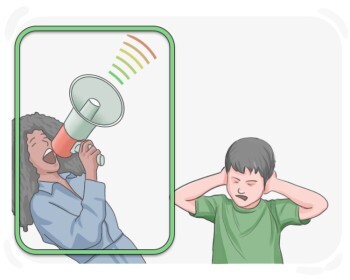
producing or having a lot of loud and unwanted sound
hałaśliwy, głośny
W restauracji było głośno, przy dźwięku naczyń i gwarze gości.
a male king that rules an empire
cesarz, władca
Podczas ceremonii cesarz zwrócił się do tysięcy swoich poddanych.
a high-ranking officer in the army, Air Force, or Marines
generał, wysoki rangą oficer
W akademii wojskowej kadetów studiowali słynne bitwy prowadzone przez generała Pattona, ucząc się na jego sukcesach i błędach.

a person who deserves great admiration for their bravery or good deeds
bohater, bohaterka
Żołnierz został uhonorowany jako bohater za swoją odwagę.
(of a person) having a high rank, status, or influence within a particular field, organization, or society
ważny, wybitny
Jest ważnym członkiem zarządu, podejmującym kluczowe decyzje dla firmy.

a country's rules that all of its citizens are required to obey
prawo, ustawa
Firma musi przestrzegać prawa pracy przy zatrudnianiu nowych pracowników.
(of a building) to remain upright and structurally sound
stać, opierać się
Po tsunami tylko betonowy budynek szkoły pozostał stać.
used to express exceeding a particular amount, level, or limit
ponad, więcej niż
Przeczytała ponad sto książek w zeszłym roku.
the parts of the objects and structures from ancient times that have survived destruction and been discovered
pozostałości, resztki
in every part of the world

related to or associated with religion, faith, or spirituality
religijny, duchowy
Obserwował religijne zwyczaje i tradycje przekazywane z pokolenia na pokolenie.

a public event where people or vehicles orderly move forward, particularly to celebrate a holiday or special day
parada, pochód
W paradzie wzięły udział zabytkowe samochody i wykonawcy w wymyślnych kostiumach.
