pattern

Aklat Summit 2B - Yunit 9 - Aralin 4

Dito mo makikita ang bokabularyo mula sa Unit 9 - Lesson 4 sa aklat na Summit 2B, tulad ng "demographic", "statistic", "rate", atbp.

Repasuhin

Flashcards

Pagbaybay

Pagsusulit

Simulan ang pag-aaral
Summit 2B
to describe
to describe
[Pandiwa]

to give details about someone or something to say what they are like

ilarawan, maglarawan

ilarawan, maglarawan

Ex: He used metaphors to describe the power of nature in his poem. 

Gumamit siya ng mga talinghaga upang ilarawan ang kapangyarihan ng kalikasan sa kanyang tula.

social
social
[pang-uri]

related to society and the lives of its citizens in general

panlipunan

panlipunan

Ex: The government implemented social programs to support vulnerable populations. 

Nagpatupad ang pamahalaan ng mga programa na panlipunan upang suportahan ang mga mahihinang populasyon.
demographic
demographic
[Pangngalan]

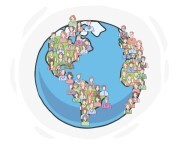
the statistical characteristics of a population, such as age, gender, and ethnicity

demograpiko, mga katangiang demograpiko

demograpiko, mga katangiang demograpiko

Ex: The new marketing strategy aims to target a younger demographic. 

Ang bagong estratehiya sa marketing ay naglalayong i-target ang isang mas batang demograpiko.

trend
trend
[Pangngalan]

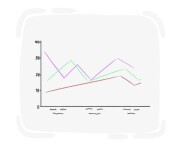
an overall way in which something is changing or developing

trend, uso
trend, uso

Ex: The current trend in fashion includes bold patterns and vibrant colors. 

Ang kasalukuyang trend sa fashion ay may kasamang bold pattern at vibrant colors.

statistic
statistic
[Pangngalan]

a number or piece of data representing measurements or facts

estadistika, datong estadistikal

estadistika, datong estadistikal

Ex: Statistics help people understand trends and patterns in data. 

Ang estadistika ay tumutulong sa mga tao na maunawaan ang mga uso at pattern sa data.
rate
rate
[Pangngalan]

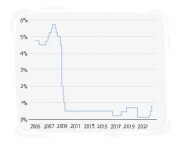
the number of times something changes or happens during a specific period of time

rate, rate ng krimen
rate, rate ng krimen

Ex: The crime rate in the city has decreased significantly over the past year. 

Ang rate ng krimen sa lungsod ay bumaba nang malaki sa nakaraang taon.

current
current
[pang-uri]

happening or existing in the present time

kasalukuyan, ngayon
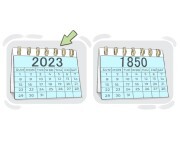
kasalukuyan, ngayon

Ex: The current population of the city is estimated to be around one million. 

Ang kasalukuyang populasyon ng lungsod ay tinatayang nasa isang milyon.

recent
recent
[pang-uri]

having happened, started, or been done only a short time ago

kamakailan, bago

kamakailan, bago

Ex: The recent rise in fuel prices has affected many. 

Ang kamakailan na pagtaas ng presyo ng gasolina ay nakaaapekto sa marami.

the present
the present
[Pangngalan]

the period of time happening now, not before or after

kasalukuyan, kasalukuyang sandali

kasalukuyan, kasalukuyang sandali

Ex: We need to focus on the present and not worry too much about the future. 

Kailangan naming tumuon sa kasalukuyan at hindi masyadong mag-alala tungkol sa hinaharap.

LanGeek
I-download ang app ng LanGeek