
Cambridge English : CAE (C1 Advanced) - Actions manuelles ou mouvements physiques
Learn advanced CAE vocabulary for manual actions and physical movement, including handling, lifting, pushing, pulling, positioning, gestures, and bodily motion.
Réviser
Flashcards
formes
Orthographe
Quiz
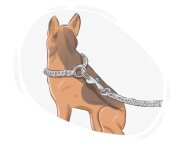
to secure or attach something or someone using a series of connected links

attacher

to carefully free something from knots or twists
démêler
Il a fallu un certain temps pour démêler les fils des écouteurs après qu'ils se soient emmêlés dans le sac.
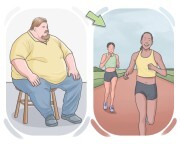
the ability to move or be moved freely and easily from one place, position, job, or social situation to another
mobilité
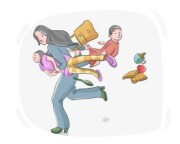
to leave in a hurry
filer rapidement, quitter brusquement et rapidement un lieu
Après avoir terminé son travail, elle est partie en vitesse pour attraper le bus.
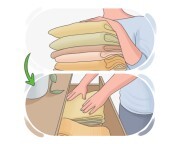
to carefully and neatly place something in a specific location for safekeeping or organization
ranger, stocker
Elle est en train de ranger des vêtements dans la valise pour son voyage.
to force or fit someone or something into a small or crowded space
entasser, comprimer
to arrive at a location or event, often unexpectedly and without prior notice
se pointer, arriver
Il est arrivé à la réunion après avoir manqué la première partie.
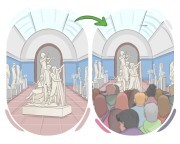
to go or gather somewhere in large numbers
affluer, se presser
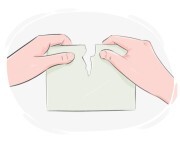
to tear, split, or cut something apart forcefully, usually with a quick movement
déchirer
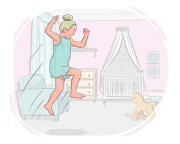
to skip or dance about in a lively or playful manner
gambader, cabrioler
Les enfants folâtraient joyeusement dans le pré, se délectant de la chaleur du soleil.
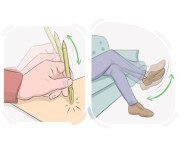
to make small, restless movements or gestures due to nervousness or impatience
remuer, gigoter
Elle gigotait avec son stylo pendant la réunion, incapable de se concentrer sur la discussion.

to move with a rapid up-and-down motion
battre, clapoter
to form a row or be positioned along the edge of something
aligner, border
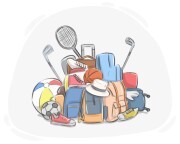
to lay things on top of each other
empiler, ajouter, amasser
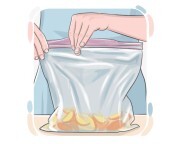
to close or secure something tightly to prevent access
sceller, fermer hermétiquement
to apply or put something quickly and forcefully on a surface
gifler, claquer
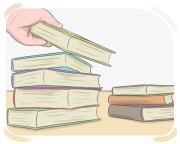
to arrange things in an orderly pile, one on top of another
empiler, entasser
to apply a white, paint-like mixture to a surface, usually to make it look clean or new
blanchir, badigeonner
La vieille grange a été chaulée pour lui donner une apparence plus claire.

to create an hole or gap in something, allowing access or entry
percer, enfoncer
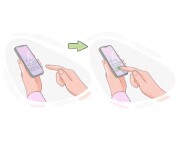
to hit someone or something gently, often with a few quick light blows
taper, tapoter

to move swiftly over a surface, making minimal contact or barely touching it
effleurer, frôler
L'oiseau de proie rapide effleurait souvent la cime des arbres alors qu'il cherchait sa proie dans la forêt dense.
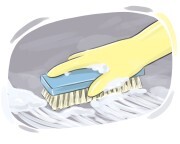
to clean a surface by rubbing it very hard using a brush, etc.
frotter
La femme de ménage frotte le sol de la cuisine pour s'assurer qu'il est impeccable.
to separate and remove what is unwanted or less suitable, often by examining carefully
trier, filtrer
Elle a trié les données pertinentes du rapport.
