
Le livre English File - Pré-intermédiaire - Leçon 7A
Ici, vous trouverez le vocabulaire de la leçon 7A du manuel English File Pre-Intermediate, comme "espoir", "offre", "attraper", etc.
Réviser
Flashcards
formes
Orthographe
Quiz
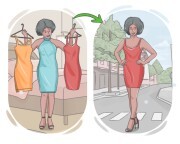
to think carefully about different things and choose one of them

décider
Après de nombreux débats, ils ont décidé de partir en road trip.
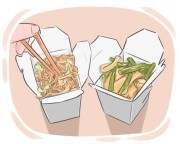
food that is bought from a restaurant, etc. to be eaten elsewhere
à emporter
Le restaurant propose une option à emporter pratique pour ceux qui préfèrent profiter de leurs repas à la maison.
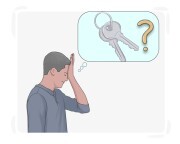
to not be able to remember something or someone from the past
oublier
Essayez de ne pas oublier les points principaux de votre présentation.
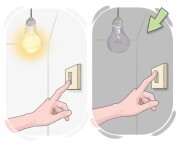
to cause a machine, device, or system to stop working or flowing, usually by pressing a button or turning a switch
éteindre
C'est l'heure du coucher ; éteignons l'ordinateur et reposons-nous un peu.
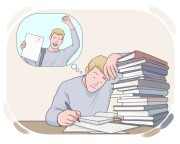
to want something to happen or be true
espérer
Elle espérait qu'il lui pardonnerait pour l'erreur.
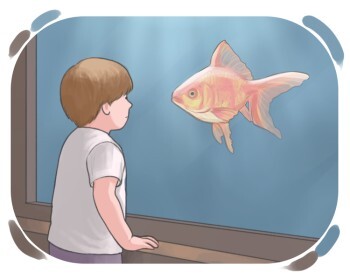
to notice a thing or person with our eyes
voir
Il vit une araignée grimper le long du mur.
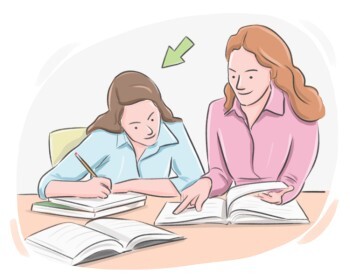
to become knowledgeable or skilled in something by doing it, studying, or being taught
apprendre
J'ai appris à faire du vélo quand j'étais enfant.
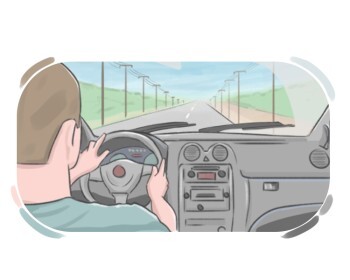
to control the movement and the speed of a car, bus, truck, etc. when it is moving
conduire
Je conduis généralement à l'école, mais aujourd'hui je prends le bus.
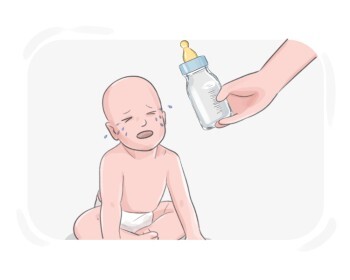
to want something or someone that we must have if we want to do or be something
avoir besoin
J'ai besoin de musique pour m'aider à me concentrer quand je travaille.

to present or propose something to someone
proposer, offrir
to give someone what they need
aider
Pouvez-vous m'aider à résoudre ce problème ?
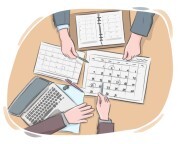
to decide on and make arrangements or preparations for something ahead of time
planifier, prévoir
Des mois avant le mariage, ils ont planifié chaque détail à la perfection.
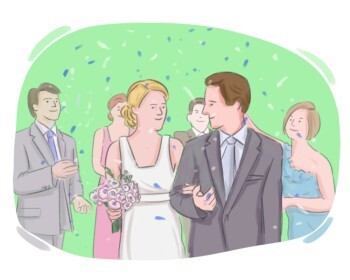
to legally become someone's wife or husband
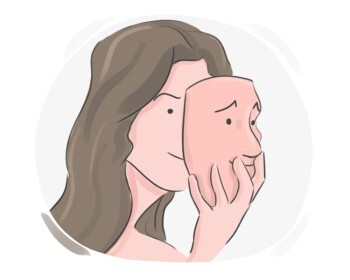
to act in a specific way in order to make others believe that something is the case when actually it is not so
faire semblant
Elle a fait semblant de s'intéresser à la conversation pour éviter de blesser les sentiments de son amie.
used when naming, or giving description or information about people, things, or situations
être, avoir
Sarah est une artiste talentueuse.
to tell someone that one will do something or that a particular event will happen
promettre
Elle promet d'assister à la réunion tous les lundis.
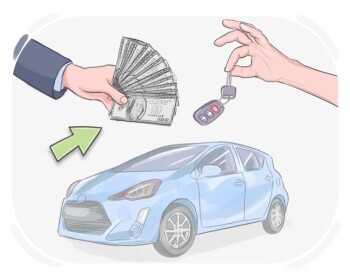
to give someone money in exchange for goods or services
payer
Pouvez-vous payer la baby-sitter quand nous rentrons à la maison ?
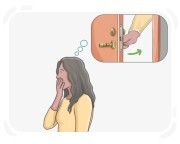
to bring a type of information from the past to our mind again
se rappeler, se souvenir de
Je me souviens du jour où nous nous sommes rencontrés pour la première fois ; c'était un après-midi ensoleillé.
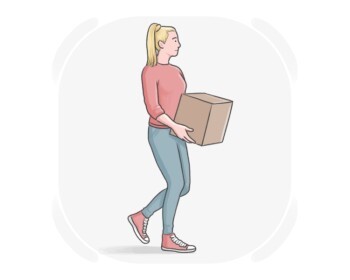
to come to a place with someone or something
apporter
N'oubliez pas d'apporter votre pièce d'identité lorsque vous venez à l'événement.
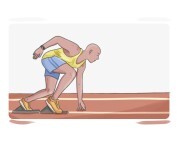
to begin something new and continue doing it, feeling it, etc.
commencer
J'ai commencé à apprendre une nouvelle langue le mois dernier.
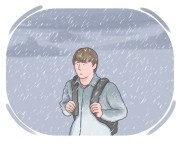
(of water) to fall from the sky in the shape of small drops
pleuvoir
Il fait chaud et humide; il pourrait pleuvoir plus tard.
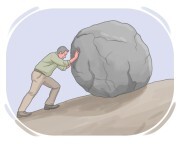
to make an effort or attempt to do or have something
essayer
Je vais essayer d'étudier pour mon examen.
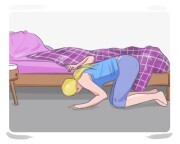
to search and discover something or someone that we have lost or do not know the location of
trouver
Il a cherché son téléphone portable manquant, mais il était introuvable.
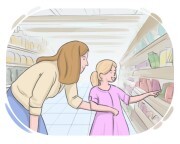
to wish to do or have something
vouloir
Je veux juste un verre d'eau pour aujourd'hui.
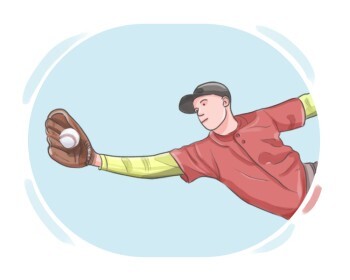
to stop and hold an object that is moving through the air
attraper, prendre
Dans son dernier match, le joueur de baseball a attrapé une balle rapide.

used to make an offer or request in a polite manner
[verbe au conditionnel]
Je serais reconnaissant si vous pouviez m'envoyer le rapport avant la fin de la journée.
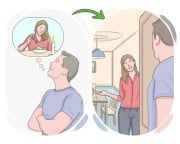
to wish for or want something, especially used with would or should as a polite formula
aimer, vouloir
Je aimerais visiter l'Italie un jour.

to get something in exchange for paying money
acheter
Il a acheté un nouveau téléphone pour remplacer l'ancien.

to take steps to confirm if something is correct, safe, or properly arranged
s'assurer
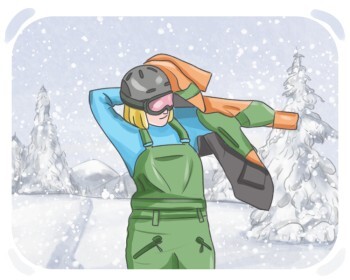
to have something such as clothes, shoes, etc. on your body
porter
Il a porté un costume et une cravate à l'entretien d'embauche pour faire bonne impression.
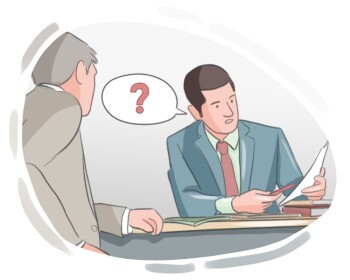
to use words in a question form or tone to get answers from someone
demander
Est-ce que tu lui as demandé ses projets pour le week-end ?
