
Książka English File - Średnio zaawansowany niższy - Lekcja 7A
Tutaj znajdziesz słownictwo z lekcji 7A w podręczniku English File Pre-Intermediate, takie jak "nadzieja", "oferta", "złapać" itp.
Przegląd
Fiszki
formy
Pisownia
Test
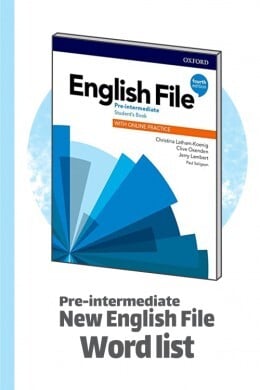
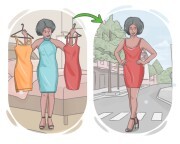
to think carefully about different things and choose one of them

decydować, postanawiać
Musiał zdecydować, czy przyjąć ofertę pracy.
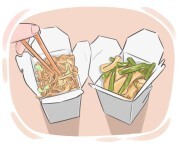
food that is bought from a restaurant, etc. to be eaten elsewhere
na wynos
W kawiarni jest specjalna linia dla klientów, którzy chcą zamówić napoje na wynos zamiast jeść na miejscu.
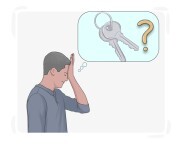
to not be able to remember something or someone from the past
zapominać, nie pamiętać
Próbował przypomnieć sobie swojego przyjaciela z dzieciństwa, ale zapomniał jej imienia.
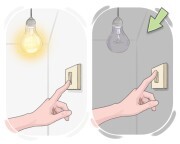
to cause a machine, device, or system to stop working or flowing, usually by pressing a button or turning a switch
wyłączyć, zamknąć
Wyłączyli ogrzewanie, aby zaoszczędzić energię.

to want something to happen or be true
mieć nadzieję, żyć nadzieją
Zespół pilnie trenuje, mając nadzieję na wygranie mistrzostwa.
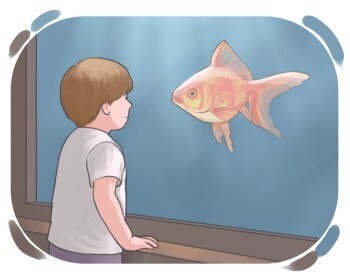
to notice a thing or person with our eyes
widzieć, zauważyć
Czy widziałeś właśnie tę spadającą gwiazdę?
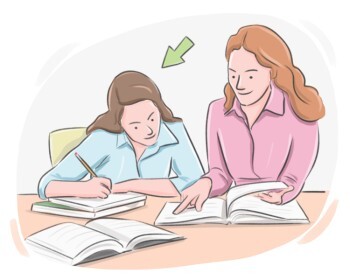
to become knowledgeable or skilled in something by doing it, studying, or being taught
uczyć się, studiować
Nauczył się cennych umiejętności negocjacyjnych, obserwując doświadczonych negocjatorów w akcji.
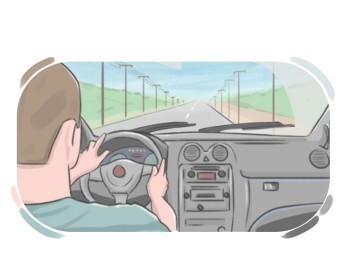
to control the movement and the speed of a car, bus, truck, etc. when it is moving
prowadzić
Powinieneś kierować obiema rękami na kierownicy.
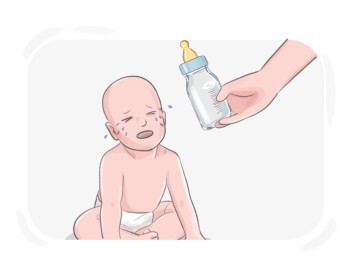
to want something or someone that we must have if we want to do or be something
potrzebować, wymagać
Czy potrzebujesz pomocy z twoim projektem?

to present or propose something to someone
oferować, proponować
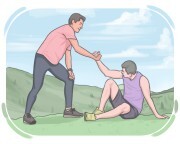
to give someone what they need
pomagać, wspierać
Ona pomogła mu przenieść pudełka na górę.
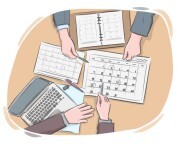
to decide on and make arrangements or preparations for something ahead of time
planować, przygotowywać
Zaplanowali podróż z miesięcznym wyprzedzeniem, aby upewnić się, że wszystko jest na miejscu.
![to [get] married](https://cdn.langeek.co/photo/39013/thumb/marry/350?type=jpeg "to [get] married")
to legally become someone's wife or husband
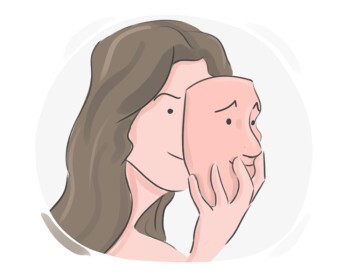
to act in a specific way in order to make others believe that something is the case when actually it is not so
udawać, symulować
Czasami udawanie, że jest się pewnym siebie, może pomóc w przezwyciężeniu nerwowości w sytuacjach społecznych.
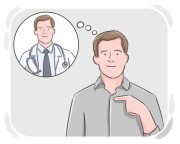
used when naming, or giving description or information about people, things, or situations
być, znajdować się
Ta roślina to słonecznik.

to tell someone that one will do something or that a particular event will happen
obiecać, zobowiązywać się
Firma obiecała swoim akcjonariuszom zwiększone dywidendy po udanym kwartale.
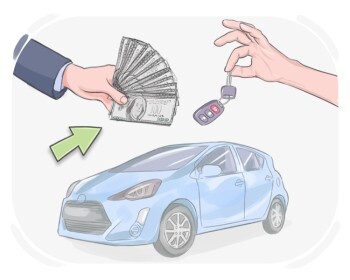
to give someone money in exchange for goods or services
płacić, wynagradzać
Ona zapłaciła mechanikowi za naprawę swojej zepsutej zmywarki.
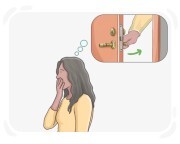
to bring a type of information from the past to our mind again
pamiętać, przypominać sobie
Czy możesz pamiętać nazwę książki, o której rozmawialiśmy?
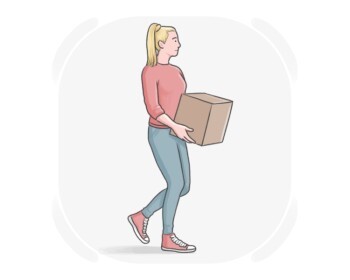
to come to a place with someone or something
przynieść, przyprowadzić
Czy możemy zabrać nasze zwierzęta do parku?
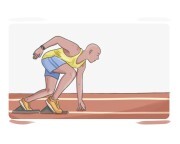
to begin something new and continue doing it, feeling it, etc.
zaczynać, rozpoczynać
On zaczął śpiewać razem z piosenką w radiu.
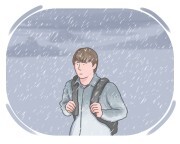
(of water) to fall from the sky in the shape of small drops
padać deszcz
Koncert został odwołany, ponieważ zaczęło padać.
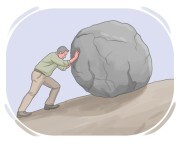
to make an effort or attempt to do or have something
próbować, starać się
Próbował podnieść ciężką skrzynię, ale była zbyt ciężka.
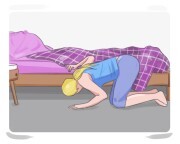
to search and discover something or someone that we have lost or do not know the location of
znaleźć, odnaleźć
Czy znalazłeś pilot do telewizora?
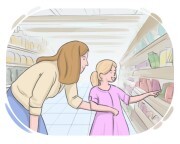
to wish to do or have something
chcieć, pragnąć
On chce iść na plażę.
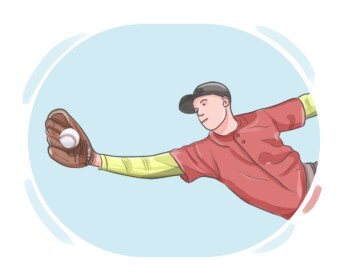
to stop and hold an object that is moving through the air
łapać, chwytać
Uważaj, aby złapać jajko bez jego rozbicia.

used to make an offer or request in a polite manner
chciałbyś, chcielibyście
Czy chciałbyś pomocy w przygotowaniu prezentacji przed spotkaniem?
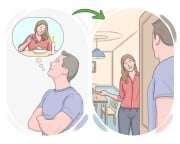
to wish for or want something, especially used with would or should as a polite formula
chcieć, życzyć sobie
On chciałby porozmawiać z kierownikiem.

to get something in exchange for paying money
kupować
Muszę kupić zakupy na dzisiejszą kolację.
![to [make] sure](https://cdn.langeek.co/photo/68041/thumb/350?type=jpeg "to [make] sure")
to take steps to confirm if something is correct, safe, or properly arranged
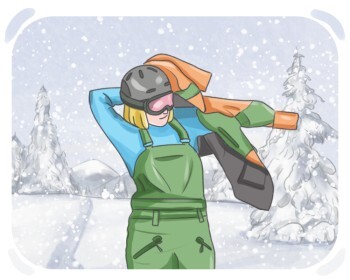
to have something such as clothes, shoes, etc. on your body
nosić, ubierać
Postanowiła założyć piękną sukienkę na imprezę.
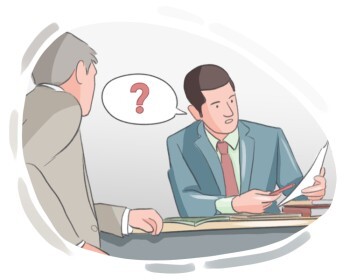
to use words in a question form or tone to get answers from someone
pytać, zapytać
Zapytała o harmonogram dnia.
