
El libro English File - Pre-intermedio - Lección 7A
Aquí encontrarás el vocabulario de la Lección 7A del libro de curso English File Pre-Intermediate, como "esperanza", "oferta", "atrapar", etc.
Revisión
Tarjetas de memoria
formas
Ortografía
Cuestionario
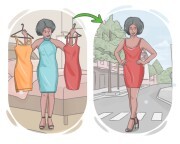
to think carefully about different things and choose one of them

decidir
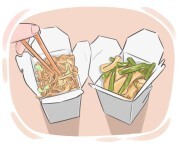
food that is bought from a restaurant, etc. to be eaten elsewhere
para llevar
Después de la reunión, recogieron algunas cajas para llevar llenas de sobras para la cena más tarde.
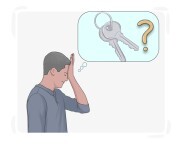
to not be able to remember something or someone from the past
olvidar
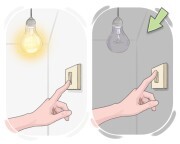
to cause a machine, device, or system to stop working or flowing, usually by pressing a button or turning a switch
apagar un aparato o cortar un flujo, apagar mediante un botón o interruptor
Por favor recuerda apagar las luces antes de salir de la habitación.

to want something to happen or be true
esperar
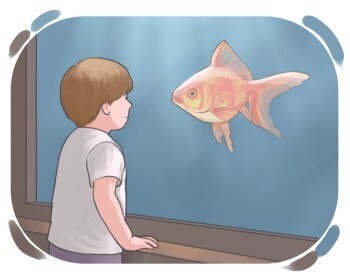
to notice a thing or person with our eyes
ver
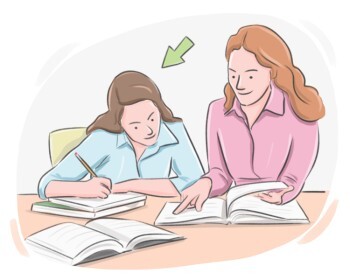
to become knowledgeable or skilled in something by doing it, studying, or being taught
aprender
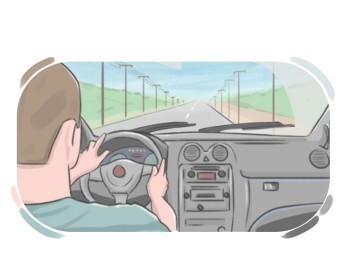
to control the movement and the speed of a car, bus, truck, etc. when it is moving
conducir
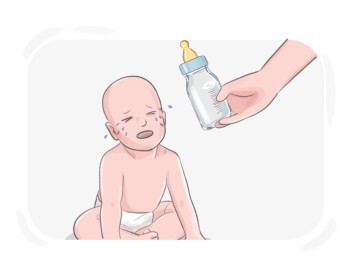
to want something or someone that we must have if we want to do or be something
necesitar

to present or propose something to someone
ofrecer
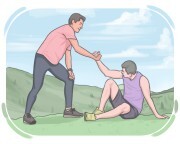
to give someone what they need
ayudar
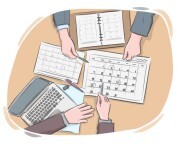
to decide on and make arrangements or preparations for something ahead of time
hacer planes
![to [get] married](https://cdn.langeek.co/photo/39013/thumb/marry/350?type=jpeg "to [get] married")
to legally become someone's wife or husband
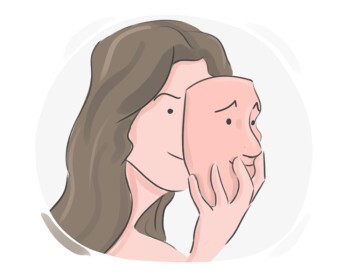
to behave in a way intended to make others believe something that is not true
fingir
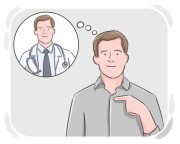
used when naming, or giving description or information about people, things, or situations
ser, estar, tener
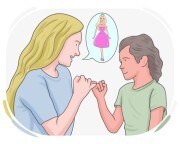
to tell someone that one will do something or that a particular event will happen
prometer
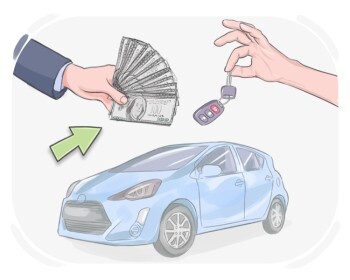
to give someone money in exchange for goods or services
pagar
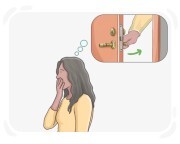
to bring a type of information from the past to our mind again
recordar, acordarse de
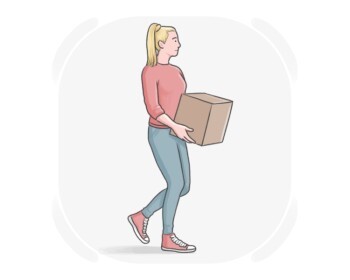
to come to a place with someone or something
traer
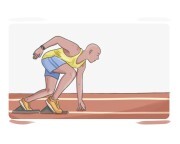
to begin something new and continue doing it, feeling it, etc.
comenzar, empezar
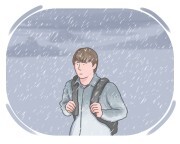
(of water) to fall from the sky in the shape of small drops
llover
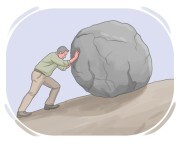
to make an effort or attempt to do or have something
intentar
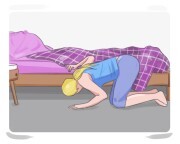
to search and discover something or someone that we have lost or do not know the location of
encontrar
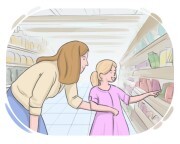
to wish to do or have something
querer
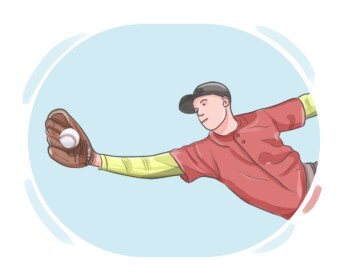
to stop and hold an object that is moving through the air
coger, agarrar

used to make an offer or request in a polite manner
[verbo modal]
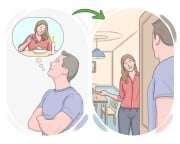
to wish for or want something, especially used with would or should as a polite formula
desear

to get something in exchange for paying money
comprar
![to [make] sure](https://cdn.langeek.co/photo/68041/thumb/350?type=jpeg "to [make] sure")
to take steps to confirm if something is correct, safe, or properly arranged
asegurarse
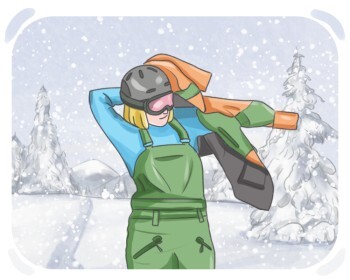
to have something such as clothes, shoes, etc. on your body
llevar
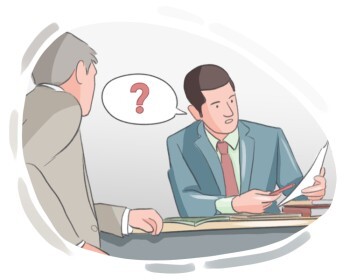
to use words in a question form or tone to get answers from someone
preguntar
| El libro English File - Pre-intermedio | |||
|---|---|---|---|
| Lección 1B | Lección 1C | Lección 2A | Lección 2B |
| Lección 2C | Lección 3A | Lección 3B | Lección 3C |
| Lección 4A | Lección 4B | Lección 4C | Lección 5A |
| Lección 5B | Lección 5C | Lección 6A | Lección 6B |
| Lección 6C | Lección 7A | Lección 7B | Lección 7C |
