
Le livre Face2face - Élémentaire - Unité 3 - 3A
Ici, vous trouverez le vocabulaire de l'Unité 3 - 3A du manuel Face2Face Elementary, comme "quotidien", "se lever", "déjeuner", etc.
Réviser
Flashcards
Orthographe
Quiz
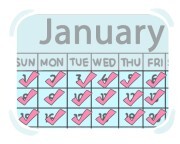
in a way that happens every day or once a day

quotidiennement, tous les jours
Elle étudie ses leçons d'espagnol quotidiennement.

a set of actions or behaviors that someone does regularly or habitually
routine,habitude
Sa routine d'exercice comprend le jogging et les pompes.
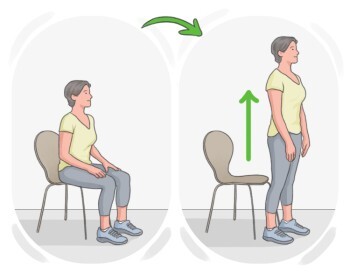
to get on our feet and stand up
se lever, se mettre debout
Elle a demandé aux élèves de se lever de leurs bureaux et de former un cercle.
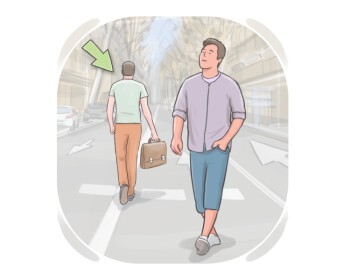
to travel or move from one location to another
aller
Ils doivent aller à New York pour une réunion cruciale avec des clients.
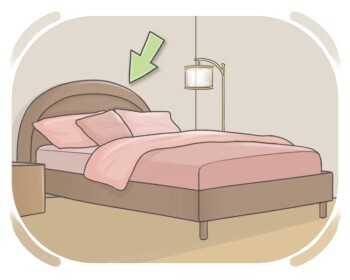
furniture we use to sleep on that normally has a frame and mattress
lit
J'aime dormir sur mon propre lit confortable.
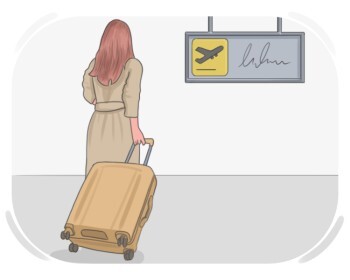
to go away from somewhere
partir
Elle a décidé de quitter la fête parce qu'il y avait trop de monde.
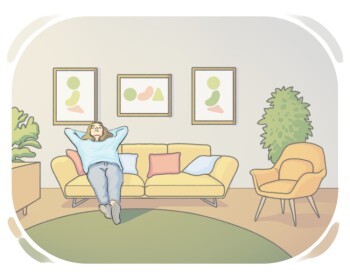
the place that we live in, usually with our family
maison
Leur maison était toujours remplie de rires et de chaleur.
to arrive at or reach a particular place
arriver
to eat or drink something
prendre
Voudrais-tu prendre une tasse de thé avec moi ?
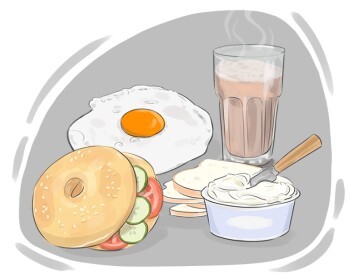
the first meal we have in the early hours of the day
petit-déjeuner
Il a pris un muffin anglais grillé avec des œufs brouillés et une portion de bacon croustillant pour le petit-déjeuner.
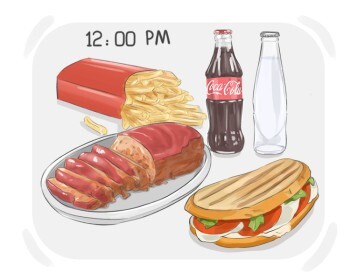
a meal we eat in the middle of the day
déjeuner
Sarah et son ami ont mangé un bol de pâtes avec une sauce marinara et une tranche de pain à l'ail pour le déjeuner.
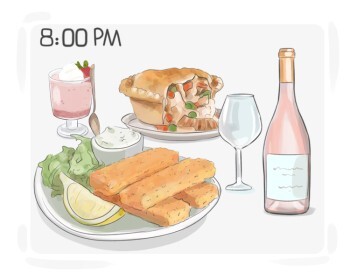
the main meal of the day that we usually eat in the evening
dîner
Se réunir pour le dîner en famille est une tradition chère à notre foyer.
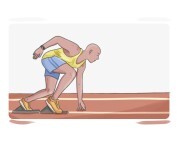
to begin something new and continue doing it, feeling it, etc.
commencer
J'ai commencé à apprendre une nouvelle langue le mois dernier.
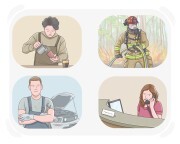
something that we do regularly to earn money
travail
Il cherche un travail à temps partiel pour compléter ses revenus.
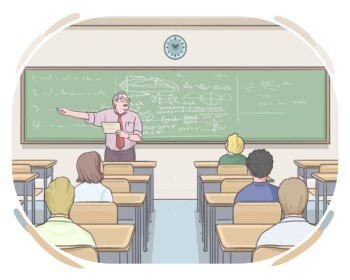
students as a whole that are taught together
classe
La classe a participé avec enthousiasme à la discussion de groupe, partageant ses diverses perspectives sur le sujet.

to make something end
finir
Le chef a terminé de dresser le plat et l'a servi aux clients.
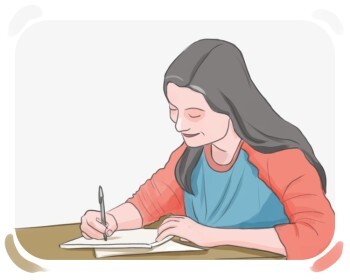
to spend time to learn about certain subjects by reading books, going to school, etc.
étudier
Il préfère étudier dans la bibliothèque où c'est calme et propice à l'apprentissage.
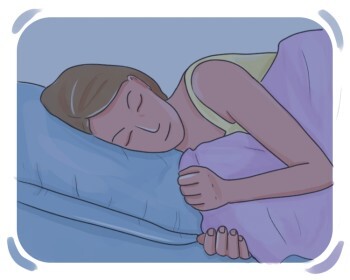
to rest our mind and body, with our eyes closed
dormir
Je dois dormir tôt ce soir parce que j'ai une réunion importante demain.
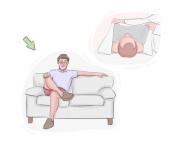
to continue to exist or be alive
vivre,survivre
Il a vécu assez longtemps pour célébrer son 100e anniversaire.
