pattern

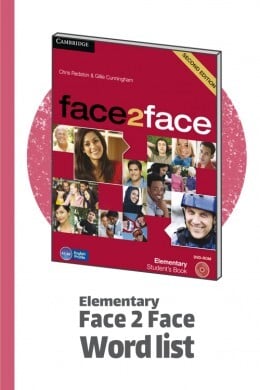
El libro Face2face - Elemental - Unidad 3 - 3A

Aquí encontrarás el vocabulario de la Unidad 3 - 3A del libro de curso Face2Face Elementary, como "diario", "levantarse", "almuerzo", etc.

Revisión

Tarjetas de memoria

formas

Ortografía

Cuestionario
Empezar a aprender
Face2face - Elementary
daily
daily
[Adverbio]

in a way that happens every day or once a day

diariamente, a diario

diariamente, a diario

Ex: The medication must be taken daily with food. 

El medicamento debe tomarse diariamente con comida.

routine
routine
[Sustantivo]

a set of actions or behaviors that someone does regularly or habitually

rutina, costumbre
rutina, costumbre

Ex: The teacher started the class with her usual routine. 

El profesor comenzó la clase con su rutina habitual.

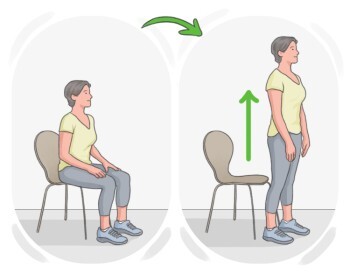
to get up
to get up
[Verbo]

to get on our feet and stand up

levantarse

levantarse

Ex: He decided to get up and walk around after sitting for hours. 

Decidió levantarse y caminar después de estar sentado durante horas.
to go
to go
[Verbo]

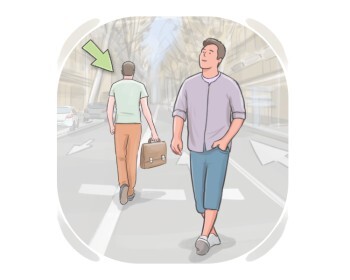
to travel or move from one location to another

ir
ir

Ex: They have been to Australia twice and loved the experience. 

Han ido a Australia dos veces y les encantó la experiencia.

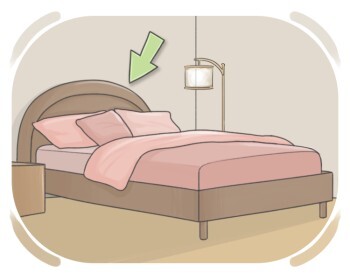
bed
bed
[Sustantivo]

furniture we use to sleep on that normally has a frame and mattress

cama
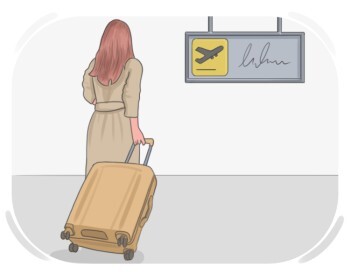
cama

Ex: I make my bed every morning to keep it tidy. 

Hago mi cama todas las mañanas para mantenerla ordenada.

to leave
to leave
[Verbo]

to go away from somewhere

dejar

dejar

Ex: The bus will leave in five minutes, so be quick! 

El autobús saldrá en cinco minutos, ¡así que date prisa!

home
home
[Sustantivo]

the place that we live in, usually with our family

casa, hogar

casa, hogar

Ex: He missed his home while traveling and couldn't wait to be back. 

Extrañaba su hogar mientras viajaba y no podía esperar a volver.

to get
to get
[Verbo]

to reach a specific place

llegar

llegar

Ex: Despite the traffic, we managed to get to the theater before the show started. 

A pesar del tráfico, logramos llegar al teatro antes de que comenzara la función.

to have
to have
[Verbo]

to eat or drink something

tomar, comer
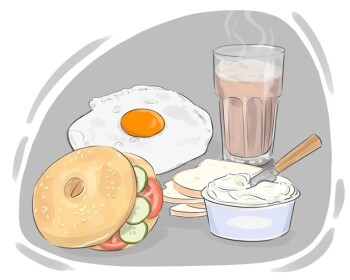
tomar, comer

Ex: I usually have lunch at the cafeteria near my office. 

Normalmente como el almuerzo en la cafetería cerca de mi oficina.

breakfast
breakfast
[Sustantivo]

the first meal we have in the early hours of the day

desayuno
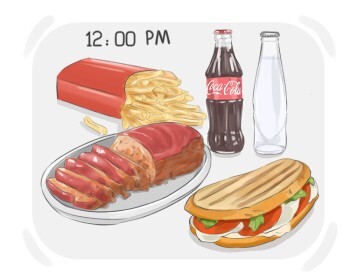
desayuno

Ex: She enjoyed a bowl of warm oatmeal topped with sliced bananas for breakfast. 

Disfrutó de un tazón de avena caliente cubierta con rodajas de plátano para el desayuno.

lunch
lunch
[Sustantivo]

a meal we eat in the middle of the day

almuerzo
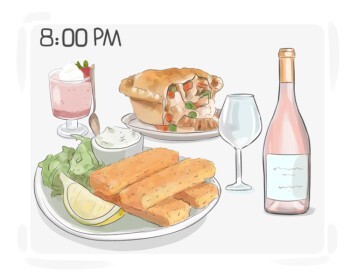
almuerzo

Ex: She packed a lunchbox with a turkey wrap, carrot sticks, and a yogurt cup for a balanced lunch. 

Ella preparó una lonchera con un wrap de pavo, bastones de zanahoria y un yogur para un almuerzo equilibrado.

dinner
dinner
[Sustantivo]

the main meal of the day that we usually eat in the evening

cena

cena

Ex: They grilled hamburgers and hot dogs for a casual summer dinner. 

Asaron hamburguesas y hot dogs para una cena informal de verano.

to start
to start
[Verbo]

to begin something new and continue doing it, feeling it, etc.

comenzar, empezar
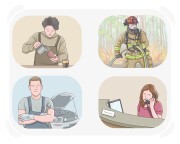
comenzar, empezar

Ex: I'm starting to get hungry, let's grab some food. 

Empiezo a tener hambre, vamos a buscar algo de comer.

work
work
[Sustantivo]

something that we do regularly to earn money

trabajo
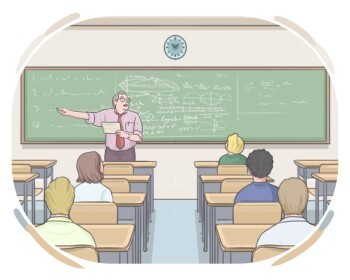
trabajo

Ex: Sarah's work as a nurse keeps her busy throughout the week. 

El trabajo de Sarah como enfermera la mantiene ocupada toda la semana.

class
class
[Sustantivo]

students as a whole that are taught together

clase

clase

Ex: Every Friday, the class gathers for a weekly quiz to test their understanding of the material covered during the week. 

Todos los viernes, la clase se reúne para un cuestionario semanal para evaluar su comprensión del material cubierto durante la semana.

to finish
to finish
[Verbo]

to make something end

terminar, acabar

terminar, acabar

Ex: The team finished the race in first place. 

El equipo terminó la carrera en primer lugar.

to study
to study
[Verbo]

to spend time to learn about certain subjects by reading books, going to school, etc.

estudiar
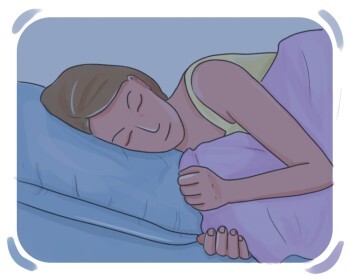
estudiar

Ex: They are studying for the science competition next month. 

Ellos están estudiando para la competencia de ciencias del próximo mes.

to sleep
to sleep
[Verbo]

to rest our mind and body, with our eyes closed

dormir
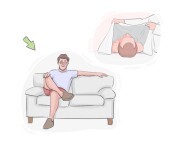
dormir

Ex: I often have vivid dreams when I sleep deeply. 

A menudo tengo sueños vívidos cuando duermo profundamente.

to live
to live
[Verbo]

to continue to exist or be alive

vivir, sobrevivir

vivir, sobrevivir

Ex: Non-smokers typically live longer than smokers. 

Los no fumadores viven típicamente más tiempo que los fumadores.

LanGeek
Descargar la aplicación LanGeek