
Le livre Face2face - Intermédiaire Supérieur - Unité 3 - 3B
Ici, vous trouverez le vocabulaire de l'Unité 3 - 3B dans le manuel Face2Face Upper-Intermediate, comme "commettre", "coupable", "acquitter", etc.
Réviser
Flashcards
Orthographe
Quiz

to do something that is against the law
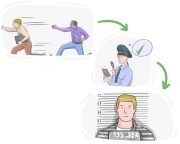
(of law enforcement agencies) to take a person away because they believe that they have done something illegal

arrêter
Les forces de l'ordre peuvent arrêter des individus soupçonnés de trafic de drogue.
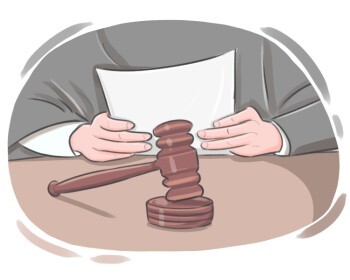
to officially accuse someone of an offense
inculper
Les agents de la loi peuvent accuser des individus d'intrusion s'ils pénètrent dans des zones restreintes.
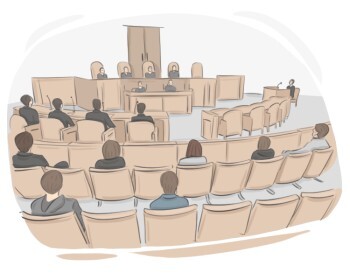
the place in which legal proceedings are conducted
tribunal, cour
En tant que témoin au procès, Sarah a été obligée de témoigner sous serment et de répondre aux questions posées par les avocats dans le tribunal.
a statement, document, or object that is used in a law court for establishing facts
preuve, témoignage
Les empreintes digitales sur l'arme ont servi de preuve clé pour établir l'implication de l'accusé dans le crime.
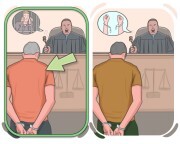
responsible for an illegal act or wrongdoing
coupable
Être reconnu coupable de fraude a entraîné de graves conséquences pour l'homme d'affaires.
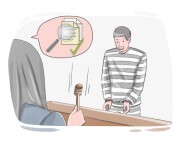
to officially decide and declare in a law court that someone is not guilty of a crime
acquitter
Le jury a décidé à l'unanimité d'acquitter l'accusé en raison d'un manque de preuves.
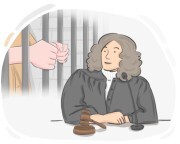
to officially find someone guilty of a crime in a court of law
reconnaître coupable
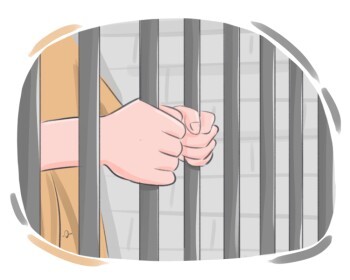
a building where people who did something illegal, such as stealing, murder, etc., are kept as a punishment
prison
La prison est entourée de hauts murs et de clôtures en fil de fer barbelé.
to officially state the punishment of someone found guilty in a court of law
condamner
Le tribunal condamnera l'individu reconnu coupable de fraude la semaine prochaine.
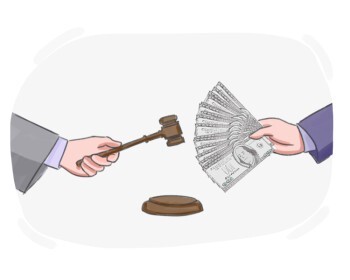
to make someone pay a sum of money as punishment for violation of the law
donner une amende à, donner une contravention à
Le conseil municipal a décidé de condamner à une amende les résidents qui ne trient pas correctement leurs déchets recyclables.
