pattern

Le livre Total English - Débutant - Unité 9 - Leçon 1

Ici, vous trouverez le vocabulaire de l'Unité 9 - Leçon 1 du manuel Total English Starter, comme "voisin", "s'occuper de", "étagère", etc.

Réviser

Flashcards

formes

Orthographe

Quiz

Commencer à apprendre
Total English - Starter
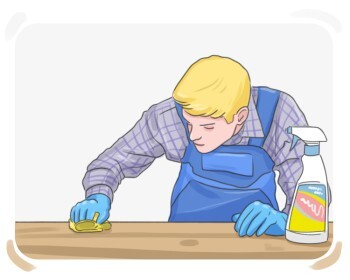
to clean
to clean
[verbe]

to make something have no bacteria, marks, or dirt

nettoyer
nettoyer

Ex: I usually clean the floors with a mop and cleaner. 
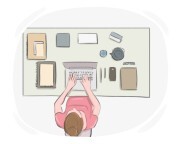
to tidy
to tidy
[verbe]

to make a place or collection of things neat and orderly

ranger,  ordonner

ranger, ordonner

Ex: Daniel is tidying his desk before leaving work. 
to deliver
to deliver
[verbe]

to bring and give a letter, package, etc. to a specific person or place

livrer

livrer

Ex: She always delivers important documents promptly. 
to help
to help
[verbe]

to give someone what they need

aider

aider

Ex: Can you help me solve this problem? 
to look after

to take care of someone or something and attend to their needs, well-being, or safety

s’occuper de

s’occuper de

Ex: My cat looks after herself very well. 

Mon chat prend soin d'elle-même très bien.

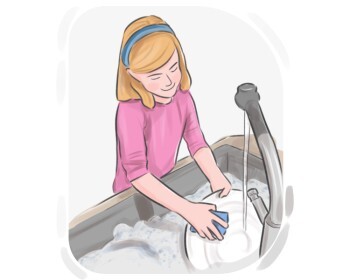
to stack
to stack
[verbe]

to arrange things in an orderly pile, one on top of another

empiler,  entasser
empiler, entasser

Ex: Emma was stacking clean plates in the cupboard. 
to wash
to wash
[verbe]

to clean someone or something with water, often with a type of soap

laver

laver

Ex: I need to wash my shoes; they are dirty. 
to hate
to hate
[verbe]

to really not like something or someone

détester

détester

Ex: He hates waking up early in the morning. 
to listen
to listen
[verbe]

to give our attention to the sound a person or thing is making

écouter

écouter

Ex: The children listened in awe as the storyteller spun her tale. 
to live
to live
[verbe]

to have your home somewhere specific

vivre, habiter
vivre, habiter

Ex: I live in a small town near the mountains. 
to need
to need
[verbe]

to want something or someone that we must have if we want to do or be something

avoir besoin
avoir besoin

Ex: I need music to help me focus when I work. 
to park
to park
[verbe]

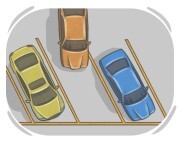
to move a car, bus, etc. into an empty place and leave it there for a short time

garer

garer

Ex: The bus driver skillfully parked the bus at the designated stop. 
to start
to start
[verbe]

to begin something new and continue doing it, feeling it, etc.

commencer

commencer

Ex: I started learning a new language last month. 
to surf
to surf
[verbe]

to explore content or information on the internet or in other media without a specific goal

surfer

surfer

Ex: During the project, students were encouraged to surf online databases to gather information. 

Pendant le projet, les étudiants ont été encouragés à surfer sur les bases de données en ligne pour recueillir des informations.
homework

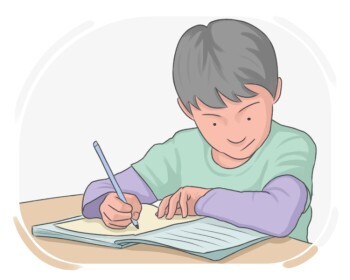
schoolwork that students have to do at home

devoirs

devoirs

Ex: I have a lot of homework to complete tonight. 
newspaper

a set of large folded sheets of paper with lots of stories, pictures, and information printed on them about things like sport, politic, etc., usually issued daily or weekly

journal

journal

Ex: I like to read the newspaper with a cup of coffee to start my day. 
neighbor

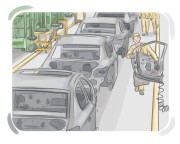
someone who is living next to us or somewhere very close to us

voisin, voisine
voisin, voisine

Ex: My neighbor helped me move my furniture into my new apartment. 
factory
factory
[nom]

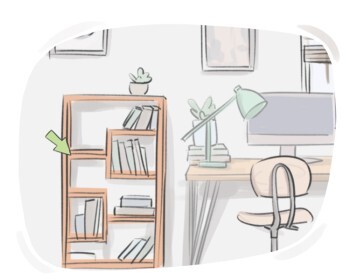
a building or set of buildings in which products are made, particularly using machines

usine
usine

Ex: We toured the chocolate factory and saw how they made delicious treats. 
shelf
shelf
[nom]

a flat horizontal board or surface used for holding or storing objects

étagère
étagère

Ex: The plates are on the top shelf of the cupboard. 
part-time
part-time
[Adjectif]

working or employed for only part of the usual working hours or workweek

à temps partiel

à temps partiel

Ex: Her part-time status allows her to spend more time with her family. 
LanGeek
Télécharger l'application LanGeek