pattern

El libro Total English - Principiante - Unidad 9 - Lección 1

Aquí encontrarás el vocabulario de la Unidad 9 - Lección 1 del libro de curso Total English Starter, como "vecino", "cuidar", "estante", etc.

Revisión

Tarjetas de memoria

formas

Ortografía

Cuestionario
Empezar a aprender
Total English - Starter
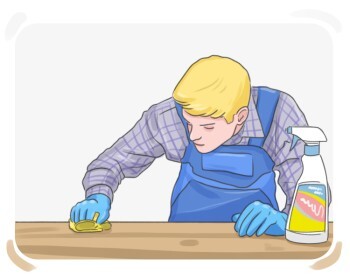
to clean
to clean
[Verbo]

to make something have no bacteria, marks, or dirt

limpiar
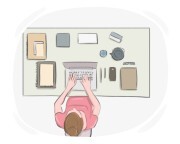
limpiar

Ex: Sarah cleans the kitchen counters with a sponge. 

Sarah limpia las encimeras de la cocina con una esponja.

to tidy
to tidy
[Verbo]

to organize a place and put things where they belong

ordenar, organizar

ordenar, organizar

Ex: After the children finished playing, they were asked to tidy their toys and put everything back in its place. 

Después de que los niños terminaron de jugar, se les pidió que ordenaran sus juguetes y que pusieran todo en su lugar.

to deliver
to deliver
[Verbo]

to bring and give a letter, package, etc. to a specific person or place

entregar, repartir
entregar, repartir

Ex: Last week, the courier delivered a package containing the new product. 

La semana pasada, el mensajero entregó un paquete que contenía el nuevo producto.

to help
to help
[Verbo]

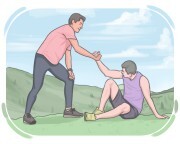
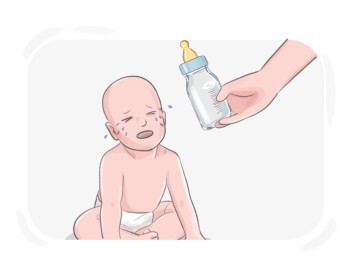
to give someone what they need

ayudar

ayudar

Ex: The teacher helped the student with her homework. 

El profesor ayudó a la estudiante con su tarea.

to look after

to take care of someone or something and attend to their needs, well-being, or safety

cuidar

cuidar

Ex: The gardener looks after the garden by weeding, watering, and pruning the plants. 

El jardinero cuida del jardín deshierbando, regando y podando las plantas.

to stack
to stack
[Verbo]

to arrange items on top of each other in large quantities

apilar, amontonar

apilar, amontonar

Ex: He recently stacked firewood neatly beside the fireplace for easy access. 

Recientemente apiló leña ordenadamente junto a la chimenea para un fácil acceso.

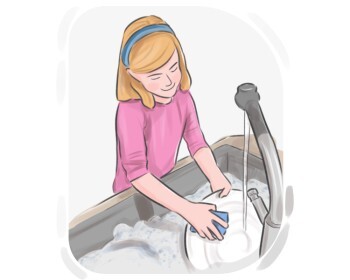
to wash
to wash
[Verbo]

to clean someone or something with water, often with a type of soap

lavar
lavar

Ex: I usually wash my car at the car wash. 

Normalmente lavo mi coche en el lavadero.

to hate
to hate
[Verbo]

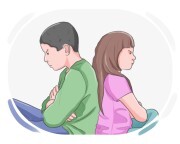
to really not like something or someone

odiar

odiar

Ex: I hate spicy food because it burns my mouth. 

Odio la comida picante porque me quema la boca.

to listen
to listen
[Verbo]

to give our attention to the sound a person or thing is making

escuchar

escuchar

Ex: Apologies, I got distracted and wasn't listening closely. 

Disculpas, me distraje y no estaba escuchando con atención.

to live
to live
[Verbo]

to have your home somewhere specific

vivir
vivir

Ex: She has lived in the same small town since she was born. 

Ella ha vivido en el mismo pueblo pequeño desde que nació.

to need
to need
[Verbo]

to want something or someone that we must have if we want to do or be something

necesitar
necesitar

Ex: She needs a ride to the airport tomorrow. 

Ella necesita un viaje al aeropuerto mañana.

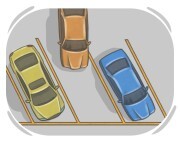
to park
to park
[Verbo]

to move a car, bus, etc. into an empty place and leave it there for a short time

estacionar, aparcar, parquear

estacionar, aparcar, parquear

Ex: The commuters hurriedly parked their bicycles in the designated area before catching the train. 

Los viajeros apresuradamente estacionaron sus bicicletas en el área designada antes de tomar el tren.

to start
to start
[Verbo]

to begin something new and continue doing it, feeling it, etc.

comenzar, empezar

comenzar, empezar

Ex: I'm starting to get hungry, let's grab some food. 

Empiezo a tener hambre, vamos a buscar algo de comer.

to surf
to surf
[Verbo]

to explore content or information on the internet or in other media without a specific goal

navegar

navegar

Ex: In the mall, we decided to surf different stores, looking for the perfect gift. 

En el centro comercial, decidimos surfear por diferentes tiendas, buscando el regalo perfecto.
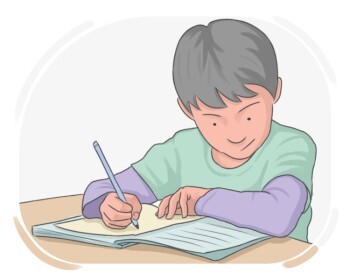
homework
homework
[Sustantivo]

schoolwork that students have to do at home

tarea

tarea

Ex: My daughter spends a few hours every evening doing her homework. 

Mi hija pasa unas horas cada noche haciendo su tarea.

newspaper
newspaper
[Sustantivo]

a set of large folded sheets of paper with lots of stories, pictures, and information printed on them about things like sport, politic, etc., usually issued daily or weekly

periódico, diario
periódico, diario

Ex: I use the newspaper as a source for my research papers because it has reliable information. 

Uso el periódico como fuente para mis trabajos de investigación porque tiene información confiable.

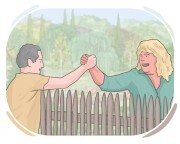
neighbor
neighbor
[Sustantivo]

someone who is living next to us or somewhere very close to us

vecino
vecino

Ex: My neighbor's car broke down, so I gave him a lift to work. 

El coche de mi vecino se averió, así que le di un aventón al trabajo.

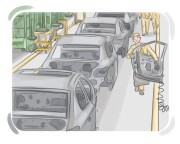
factory
factory
[Sustantivo]

a building or set of buildings in which products are made, particularly using machines

fábrica
fábrica

Ex: The textile factory employed many workers to produce clothing and fabrics. 

La fábrica textil empleaba a muchos trabajadores para producir ropa y telas.

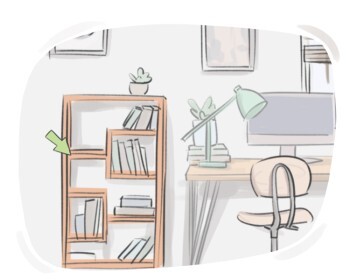
shelf
shelf
[Sustantivo]

a flat, narrow board made of wood, metal, etc. attached to a wall, to put items on

estante, repisa, balda

estante, repisa, balda

Ex: He mounted a floating shelf above his desk to hold his computer monitor. 

Montó una estantería flotante encima de su escritorio para sostener su monitor de computadora.

part-time
part-time
[Adjetivo]

done only for a part of the working hours

a tiempo parcial

a tiempo parcial

Ex: Many students prefer part-time positions during the school year. 

Muchos estudiantes prefieren puestos a tiempo parcial durante el año escolar.

LanGeek
Descargar la aplicación LanGeek