
Le livre Total English - Intermédiaire Supérieur - Unité 1 - Vocabulaire
Ici, vous trouverez les mots de l'Unité 1 - Vocabulaire dans le manuel Total English Upper-Intermediate, tels que "ressembler", "têtu", "inventer", etc.
Réviser
Flashcards
formes
Orthographe
Quiz
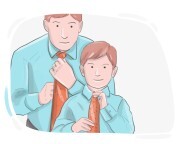
to look or act like an older member of the family, especially one's parents

tenir de, être le portrait craché de
Le bébé ressemble à son père avec ces adorables fossettes.

to have a great deal of respect, admiration, or esteem for someone
admirer, avoir du respect pour
De nombreux jeunes athlètes admirent les joueurs professionnels comme modèles.
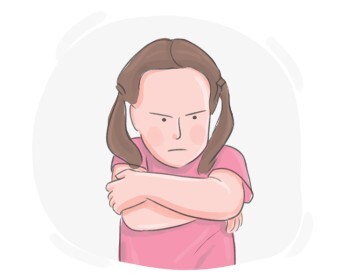
unwilling to change one's attitude or opinion despite good reasons to do so
têtu
Son entêtement à refuser tout compromis a conduit à des disputes fréquentes avec ses collègues.

to change from being a child into an adult little by little
grandir, devenir adulte
Ma sœur grandit si vite.

to act in a way that is intended to impress others
frimer, agir pour impressionner les autres
Il frime en soulevant les poids les plus lourds à la salle de sport.
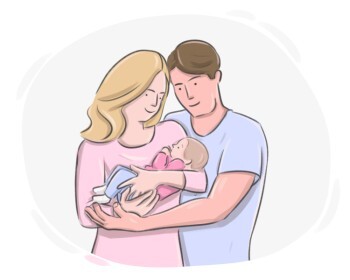
to look after a child until they reach maturity
élever, faire grandir
Les parents adoptifs étaient déterminés à élever l'enfant dans un environnement aimant.

to have a good, friendly, or smooth relationship with a person, group, or animal
bien s'entendre avec quelqu'un, avoir de bonnes relations avec une personne un groupe ou un animal
Les enfants s'entendent mieux maintenant qu'ils ont résolu leurs différends.

to regularly spend time with a person that one likes and has a sexual or romantic relationship with
sortir avec
Est-ce qu'ils sortent encore ensemble, ou est-ce qu'ils ont rompu ?
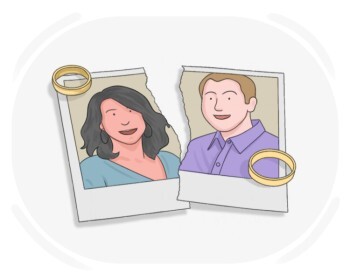
to end a romantic relationship or marriage
se séparer, rompre
C'était une décision mutuelle de se séparer, et ils ont tous deux compris que c'était pour le mieux.
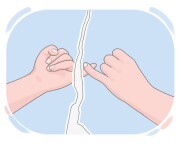
to no longer be friends with someone as a result of an argument
se brouiller, ne plus être ami
Des malentendus sur un projet ont conduit les collègues à se brouiller et à travailler séparément.

used to summarize or describe something briefly
en résumé, en bref
Elle a résumé le problème pour que tout le monde comprenne.
to become friends with someone once more after ending a quarrel with them
se réconcilier
Je sais qu'ils ont eu une grosse dispute, mais je suis sûr qu'ils vont se réconcilier bientôt.
