
El libro Total English - Intermedio Alto - Unidad 1 - Vocabulario
Aquí encontrarás las palabras de la Unidad 1 - Vocabulario en el libro de curso Total English Upper-Intermediate, como "parecerse a", "terco", "inventar", etc.
Revisión
Tarjetas de memoria
formas
Ortografía
Cuestionario
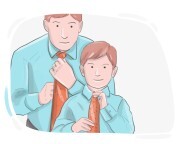
to look or act like an older member of the family, especially one's parents

salir a, parecerse a
Ambas hermanas se parecen a su madre en términos de amabilidad.

to have a great deal of respect, admiration, or esteem for someone
admirar, tener respeto por
Él admira a su mentor para obtener orientación en su carrera.
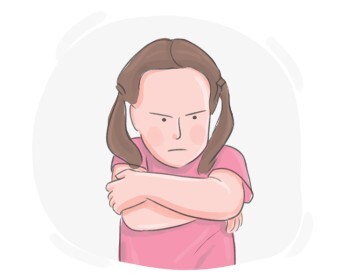
unwilling to change one's attitude or opinion despite good reasons to do so
terco, obstinado
El niño terco se negó a comer sus verduras, incluso después de que le dijeron que eran buenas para él.

to change from being a child into an adult little by little
crecer, hacerse adulto
Ella creció con sus primos en la misma casa.

to act in a way that is intended to impress others
presumir, actuar para impresionar a los demás
El estudiante seguía presumiendo al responder todas las preguntas antes que nadie tuviera la oportunidad.
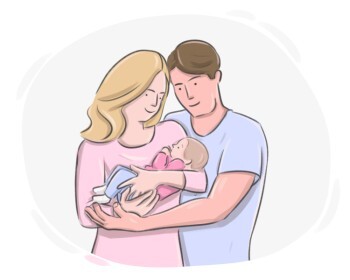
to look after a child until they reach maturity
criar, educar
Como madre soltera, trabajó duro para criar a su hijo.

to have a good, friendly, or smooth relationship with a person, group, or animal
llevarse bien con alguien, tener una relación armoniosa con una persona grupo o animal
Él se lleva muy bien con sus vecinos y los ayuda con diversas tareas.

to regularly spend time with a person that one likes and has a sexual or romantic relationship with
salir
Ella sale con alguien que conoció en una fiesta el mes pasado.
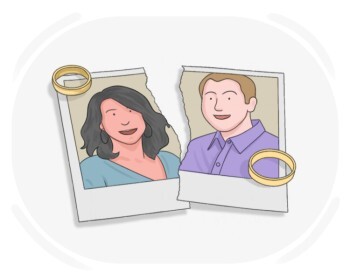
to end a romantic relationship or marriage
rompiendo (pareja)
Después de las sesiones de consejería, se dieron cuenta de que era más saludable separarse que permanecer en una relación tóxica.
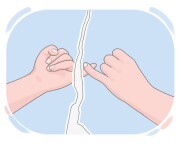
to no longer be friends with someone as a result of an argument
pelearse, dejar de ser amigo de alguien
Los hermanos solían pelearse ocasionalmente, pero siempre se reconciliaban al final.

used to summarize or describe something briefly
en resumen, en pocas palabras
En resumen, necesitamos más tiempo, más personal y un presupuesto más claro.
to become friends with someone once more after ending a quarrel with them
hacer las paces
Están tratando de reconciliarse con sus padres después de su pelea.
