
Le livre Four Corners 2 - Unité 10 Leçon C - Partie 2
Ici, vous trouverez le vocabulaire de l'Unité 10 Leçon C - Partie 2 dans le manuel Four Corners 2, comme "calmar", "écrire", "choisir", etc.
Réviser
Flashcards
Orthographe
Quiz
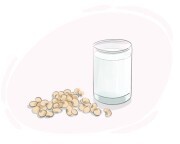
a plant-based beverage made from soybeans and water, used as an alternative to cow's milk

lait de soja
Elle a ajouté du lait de soja à son café du matin pour une texture plus crémeuse.
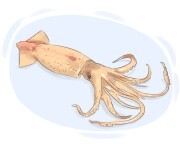
a marine creature that can change color and has a long soft body with ten tentacles helping it swim very fast
calmar
Lors de leur aventure de plongée, ils ont été ravis d'apercevoir un calmar géant nageant avec grâce dans l'océan.
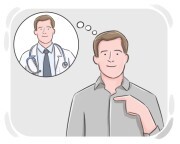
used when naming, or giving description or information about people, things, or situations
être, avoir
Sarah est une artiste talentueuse.
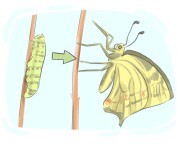
to begin to be something or develop into a particular state, condition, or role
devenir
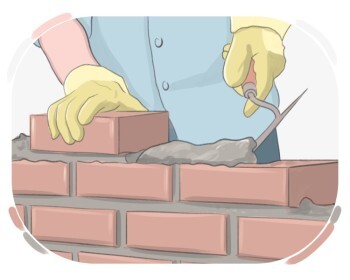
to put together different materials such as brick to make a building, etc.
construire, bâtir
Les oiseaux construisent des nids complexes pour protéger leurs œufs.

to get something in exchange for paying money
acheter
Il a acheté un nouveau téléphone pour remplacer l'ancien.
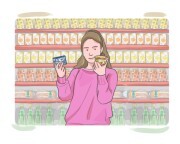
to decide what we want to have or what is best for us from a group of options
choisir
Je n'arrive pas à me décider entre ces deux desserts ; choisis pour moi.
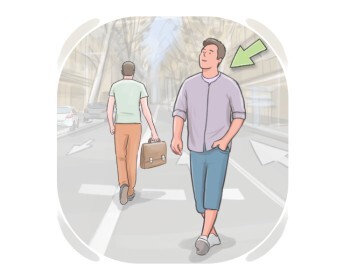
to move toward a location that the speaker considers to be close or relevant to them
venir
David est entré dans le bureau et s'est assis à son bureau.

to perform an action that is not mentioned by name
faire
Je ne suis pas sûr de ce qu'il faut faire dans cette situation ; c'est assez déroutant.
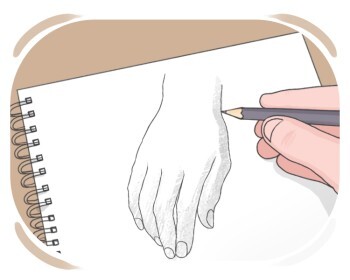
to make a picture of something using a pencil, pen, etc. without coloring it
dessiner
Mon petit frère est capable de dessiner un cercle parfait à main levée.
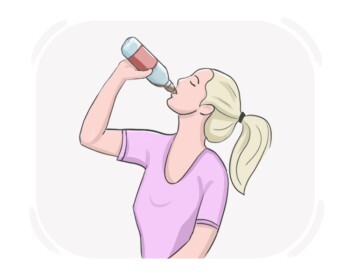
to put water, coffee, or other type of liquid inside of our body through our mouth
boire
Son frère avait l'habitude de boire du jus d'orange fraîchement pressé.
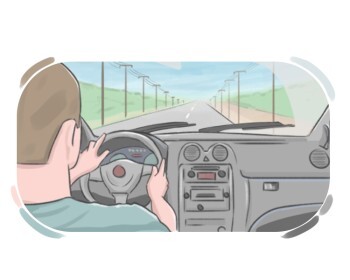
to control the movement and the speed of a car, bus, truck, etc. when it is moving
conduire
Je conduis généralement à l'école, mais aujourd'hui je prends le bus.
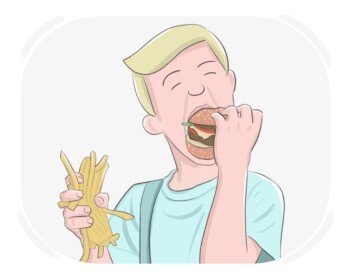
to put food into the mouth, then chew and swallow it
manger
Il était trop occupé pour manger le déjeuner en raison de réunions consécutives.
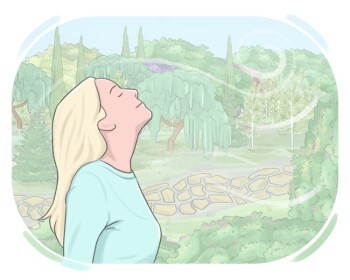
to experience a particular emotion
se sentir
Sa gentillesse et son soutien lui ont fait se sentir aimée et valorisée.
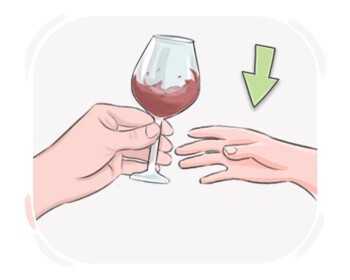
to receive or be given something
obtenir, recevoir, prendre
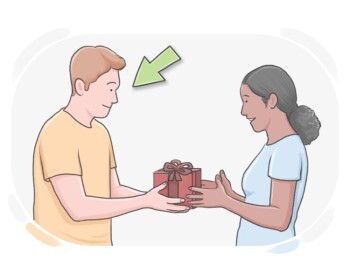
to hand a thing to a person to look at, use, or keep
donner
Elle m'a donné une clé pour accéder à la réserve.
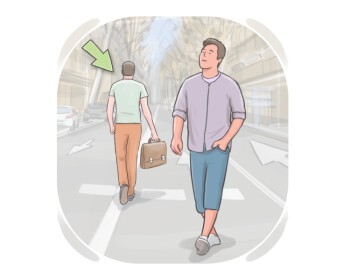
to travel or move from one location to another
aller
Ils doivent aller à New York pour une réunion cruciale avec des clients.
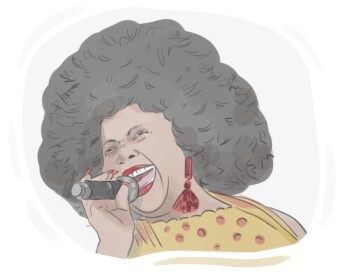
to use one's voice in order to produce musical sounds in the form of a tune or song
chanter
Pendant le trajet en voiture, ils ont chanté pour se divertir.
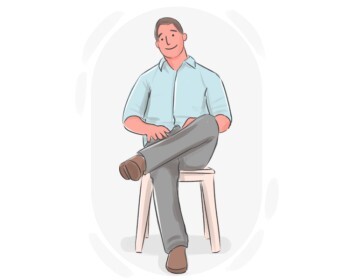
to put our bottom on something like a chair or the ground while keeping our back straight
s’asseoir
Pendant la réunion, tout le monde a été encouragé à s'asseoir en cercle pour une meilleure communication.
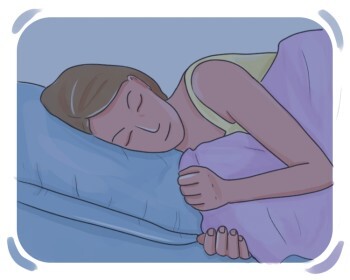
to rest our mind and body, with our eyes closed
dormir
Je dois dormir tôt ce soir parce que j'ai une réunion importante demain.

to use one's voice to express a particular feeling or thought
parler
Veuillez parler plus fort pour que tout le monde dans la pièce puisse vous entendre.
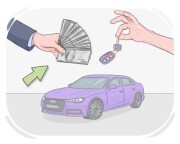
to use money as a payment for services, goods, etc.
dépenser
Je dois faire attention à ne pas dépenser trop pour des articles inutiles.
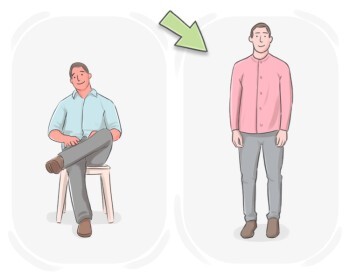
to be upright on one's feet
se tenir debout
Je me tiens généralement devant le miroir pour me coiffer les cheveux.
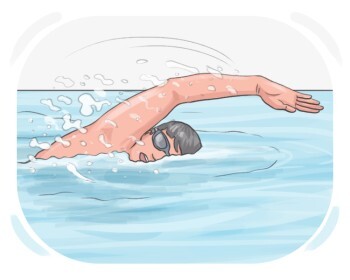
to move through water by moving the arms and legs or, in animals, other parts of the body
nager
to reach for something and hold it
prendre
Il a pris le chiot dans ses bras et l'a caressé.
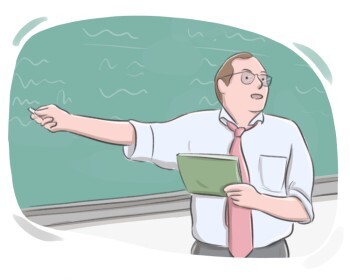
to give lessons to students in a university, college, school, etc.
enseigner
Le professeur enseignera un cours sur les sciences de l'environnement ce semestre.
to have a type of belief or idea about a person or thing
penser
Je ne pense pas qu'elle soit honnête au sujet de ses intentions.
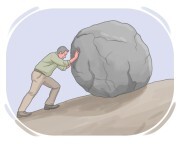
to make an effort or attempt to do or have something
essayer
Je vais essayer d'étudier pour mon examen.
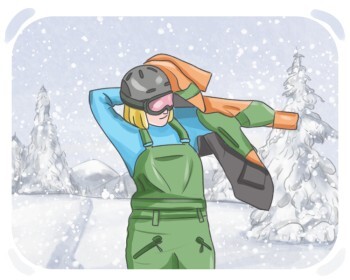
to have something such as clothes, shoes, etc. on your body
porter
Il a porté un costume et une cravate à l'entretien d'embauche pour faire bonne impression.
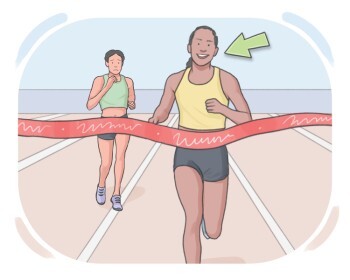
to become the most successful, the luckiest, or the best in a game, race, fight, etc.
gagner
Malgré les défis, ils ont réussi à remporter le contrat.
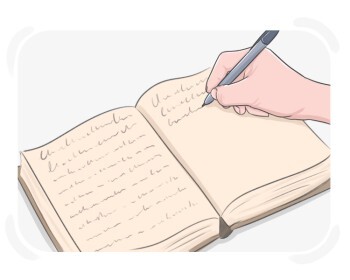
to make letters, words, or numbers on a surface, usually on a piece of paper, with a pen or pencil
écrire
Il a rapidement écrit le numéro de téléphone important.
