
Cambridge IELTS 18 - Académique - Test 2 - Écoute - Partie 3 (1)
Apprenez le vocabulaire de la première partie du Cambridge IELTS 18 Academic, Test 2 Listening Part 3, avec des mots et expressions utiles de cette section.
Réviser
Flashcards
formes
Orthographe
Quiz
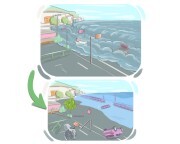
causing a great deal of harm, suffering, or damage

catastrophique, désastreux
Ne pas s'attaquer au changement climatique pourrait avoir des conséquences catastrophiques pour les générations futures.
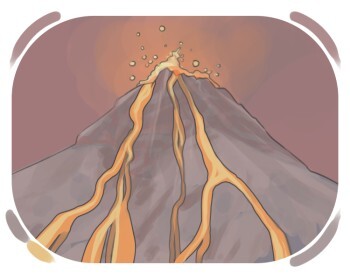
a mountain with an opening on its top, from which melted rock and ash can be pushed out into the air
volcan
L'île abrite un volcan actif.

to understand something, especially when it may initially appear confusing or unclear
important or great enough to be noticed or have an impact
important
Ses contributions au projet ont été significatives pour en assurer le succès.
anything that takes place, particularly something important
événement, évènement
exceptionally large or extensive in scope, degree, or impact
massif, énorme
Le concert a été un énorme succès, attirant des fans de tout le pays.
a fact or piece of information gathered by noticing or watching something carefully
observation, remarque
having the same quality, level, or effect throughout
constant, régulier
Le tissu est cohérent en texture et en couleur.
a detailed record or narrative description of events that have occurred
compte, récit
a set of specialized terms that are used in a specific science, art, business, or profession
terminologie
Comprendre la terminologie du droit peut être difficile pour les débutants.
one of a network of observation posts where meteorological data is recorded
station météorologique

to create a company or organization with the intention of running it over the long term
établir, créer, fonder
during a specific period in the past
à l'époque, en ce temps-là
À l'époque, elle travaillait comme enseignante, inconsciente des changements qui allaient bientôt affecter sa carrière.
a suspension of fine particles, such as dust, smoke, or moisture, in the air, causing reduced visibility
brume, voile
La zone côtière a connu une brume alors que les embruns se combinaient avec la brume des vagues.

related to or formed by the activity of volcanoes
volcanique
L'activité volcanique a créé le paysage accidenté des îles hawaïennes.
an atmosphere in which visibility is reduced because of a cloud of some substance
brouillard, brume
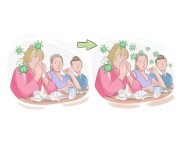
to extend or increase in influence or effect over a larger area or group of people
s’étendre, se propager, se répandre
in all parts of a place, group, or area
à travers, dans tout
Ces traditions sont suivies à travers différentes régions.
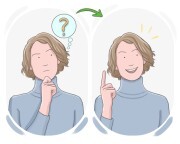
to have a sudden or complete understanding of a fact or situation
réaliser
relating to the period of time before the widespread adoption of industrial processes and technologies
pré-industriel, avant l'ère industrielle
L'agriculture préindustrielle reposait fortement sur le travail manuel et les techniques agricoles traditionnelles.
a distinct period of history or culture, or a specific moment or duration of time
époque, temps
Le livre explore les époques culturelles du XIXe siècle.
(chemistry) a yellow, tasteless, odorless nonmetallic element found in many minerals and in volcanic regions
soufre
having a noticeable odor of a particular kind
sentant
a length of time defined by the repetition of a process or phenomenon
période

to say or feel that someone or something is responsible for a mistake or problem
accuser
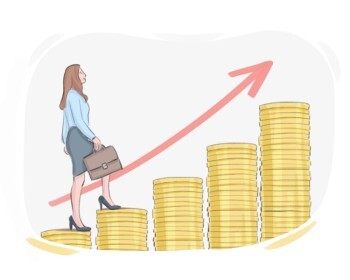
a rise in something's amount, degree, size, etc.
augmentation
related to the process of breathing and the organs involved in it, such as the lungs and airways
respiratoire
Le système respiratoire est composé d'organes tels que le nez, la trachée, les bronches et les poumons, responsables des échanges d'oxygène.
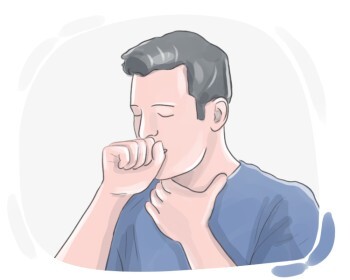
respiratory disorder characterized by wheezing; usually of allergic origin
crise d'asthme, attaque d'asthme
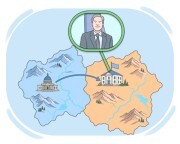
a senior diplomatic official who represents their country in another country or at an international organization
ambassadeur, ambassadrice
to acknowledge someone as the source, agent, or possessor of an action, achievement, or quality
attribuer, reconnaître

used to convey that something seems to be true based on the available evidence or information
apparemment
a scientist who studies the natural world, including plants, animals, and ecosystems
naturaliste
En tant que naturaliste, elle était spécialisée dans l'identification et le catalogage des plantes rares de la forêt tropicale.

to try to find information in a dictionary, computer, etc.
chercher, consulter
Attends une minute, je cherche l'adresse.
without assistance from others
de manière indépendante, autonome
De nombreux étudiants étudient désormais indépendamment en utilisant des ressources en ligne.
arising directly from a specific cause or reason, without any intervening factors
immédiat, direct
L'incendie était le résultat immédiat d'une fuite de gaz, causée par une valve défectueuse.
in a way that is easily understandable or noticeable
évidemment, bien sûr
Elle n'a pas étudié pour l'examen, et évidemment, sa performance a reflété cela.
extremely large in degree or intensity
énorme, immense
Le débat a suscité un énorme intérêt pour les questions environnementales parmi les étudiants.
to think or believe that it is possible for something to happen or for someone to do something
s’attendre à, attendre
the gray or black powdery residue left after something has burned
cendre

to move slowly and smoothly through air or water, especially when carried by a current
voler, dériver
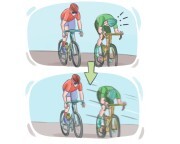
in a quick or immediate way
rapidement
Le faucon a plongé rapidement pour attraper sa proie.
having an extreme or intense quality
affreux, terrible
Elle a ressenti une terrible tristesse après avoir entendu la nouvelle.
a visual or oral communication delivered to an audience, often using slides or other aids, to inform or persuade
présentation, exposé
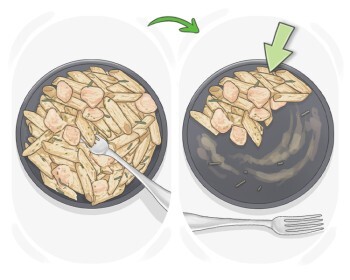
remaining after part of something has been used, taken, or dealt with
restant, qui reste
Après l'événement, il restait encore de la nourriture restante.
information or context necessary to understand a situation, event, or problem
contexte, antécédents
the sudden outburst of lava and steam from a volcanic mountain
éruption
Les résidents ont été évacués alors que l'éruption menaçait les villes voisines.

to think or believe that something is possible or true, without being sure
supposer
causing severe damage, destruction, or emotional distress
dévastateur, ravageur
Regarder l'impact dévastateur de l'ouragan sur les communautés côtières était déchirant.

a phenomenon or event that follows from and is caused by a previous action or occurrence
conséquence
not influenced or derived from something else
primaire, original
a book or a document that supplies information in a research and is referred to
source
with changes or occurrences happening every hour or during each passing hour
to do something before someone else gets the chance to do it
