pattern

Cambridge IELTS 18 - Academic - Test 2 - Listening - Part 3 (1)

Here you can find the vocabulary from Test 2 - Listening - Part 3 (1) in the Cambridge IELTS 18 - Academic coursebook, to help you prepare for your IELTS exam.

Review

Flashcards

Forms

Spelling

Quiz

Start learning
Cambridge IELTS 18 - Academic
catastrophic
catastrophic
[Adjective]

causing a great deal of harm, suffering, or damage
Ex: The catastrophic loss of biodiversity threatens the stability of ecosystems worldwide .
Close
Sign in
volcano
volcano
[noun]

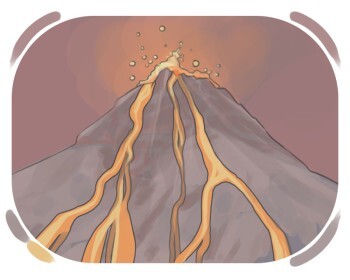
a mountain with an opening on its top, from which melted rock and ash can be pushed out into the air

Ex: Earthquakes often occur near active volcanoes.
Close
Sign in
to [make] sense (out|) of {sth}

to understand something, especially when it may initially appear confusing or unclear
Ex: The detective worked tirelessly to make sense of the clues and solve the mystery.
Close
Sign in
significant
significant
[Adjective]

important or great enough to be noticed or have an impact

Ex: The company 's decision to expand into international markets was significant for its growth strategy .
Close
Sign in
event
event
[noun]

anything that takes place, particularly something important

Ex: Graduation day is a significant event in the lives of students and their families .
Close
Sign in
massive
massive
[Adjective]

exceptionally large or extensive in scope, degree, or impact

Ex: The media coverage of the event was massive, with news outlets around the world reporting on it .
Close
Sign in
observation

a fact or piece of information gathered by noticing or watching something carefully

Ex: Her observations during the field study revealed unexpected patterns in animal behavior .
Close
Sign in
consistent
consistent
[Adjective]

having the same quality, level, or effect throughout

Ex: The paint finish was consistent across all walls .
Close
Sign in
account
account
[noun]

a detailed record or narrative description of events that have occurred

Ex: The historian ’s account is based on primary source documents .
Close
Sign in
terminology

a set of specialized terms that are used in a specific science, art, business, or profession

Ex: She was familiar with the terminology of business but not with finance .
Close
Sign in
weather station

one of a network of observation posts where meteorological data is recorded

Close
Sign in
to establish

to create a company or organization with the intention of running it over the long term

Ex: With a clear vision , they sought investors to help them establish their fashion brand in the global market .
Close
Sign in
at the time
at the time
[Adverb]

during a specific period in the past

Ex: His ideas were considered radical at the time, but are now seen as forward-thinking .
Close
Sign in
haze
haze
[noun]

a suspension of fine particles, such as dust, smoke, or moisture, in the air, causing reduced visibility

Ex: The city woke up to a haze of humidity , causing a dewy layer on surfaces throughout the neighborhood .
Close
Sign in
volcanic
volcanic
[Adjective]

related to or formed by the activity of volcanoes
Ex: The volcanic landscape of the Hawaiian Islands features rugged terrain and active volcanoes .
Close
Sign in
fog
fog
[noun]

an atmosphere in which visibility is reduced because of a cloud of some substance

Close
Sign in
to spread
to spread
[Verb]

to extend or increase in influence or effect over a larger area or group of people

Ex: The use of radios spread to remote areas , allowing people to receive news faster .
Close
Sign in
across
across
[preposition]

in all parts of a place, group, or area
Ex: There is a high demand for doctors across the world .
Close
Sign in
to realize

to have a sudden or complete understanding of a fact or situation

Ex: It was n’t until the lights went out that we realized that the power had been cut .
Close
Sign in
pre-industrial
pre-industrial
[Adjective]

relating to the period of time before the widespread adoption of industrial processes and technologies

Ex: Pre-industrial transportation relied heavily on animal power , carts , and boats for long-distance travel and trade .
Close
Sign in
times
times
[noun]

a distinct period of history or culture, or a specific moment or duration of time

Ex: People lived differently in ancient times.
Close
Sign in
sulfur
sulfur
[noun]

an abundant tasteless odorless multivalent nonmetallic element; best known in yellow crystals; occurs in many sulphide and sulphate minerals and even in native form (especially in volcanic regions)

Close
Sign in
smelling
smelling
[Adjective]

(used with `of' or `with') noticeably odorous

Close
Sign in
period
period
[noun]

a length of time defined by the repetition of a process or phenomenon

Ex: Heartbeats occur with a regular period.
Close
Sign in
to blame
to blame
[Verb]

to say or feel that someone or something is responsible for a mistake or problem
Ex: Rather than taking responsibility , he tried to blame external factors for his own shortcomings .
Close
Sign in
increase
increase
[noun]

a rise in something's amount, degree, size, etc.

Ex: An increase in productivity led to higher profits for the company .
Close
Sign in
respiratory
respiratory
[Adjective]

related to the process of breathing and the organs involved in it, such as the lungs and airways
Ex: Respiratory distress , characterized by difficulty breathing , requires immediate medical attention .
Close
Sign in
asthma attack

respiratory disorder characterized by wheezing; usually of allergic origin

Close
Sign in
ambassador

a senior official whose job is living in a foreign country and representing their own country

Ex: The newly appointed ambassador is expected to arrive at the foreign capital next month to assume his duties .
Close
Sign in
to credit
to credit
[Verb]

to acknowledge someone as the source, agent, or possessor of an action, achievement, or quality

Ex: The professor credited the student with the original research findings presented in the academic paper .
Close
Sign in
apparently
apparently
[Adverb]

used to convey that something seems to be true based on the available evidence or information

Ex: The restaurant is apparently famous for its seafood dishes .
Close
Sign in
naturalist

a scientist who studies the natural world, including plants, animals, and ecosystems

Ex: He published several books as a naturalist, documenting the biodiversity of coral reefs around the world .
Close
Sign in
to look up

to try to find information in a dictionary, computer, etc.
Ex: You should look up the word to improve your vocabulary .
Close
Sign in
independently

without assistance from others

Ex: He travels independently, never relying on guided tours .
Close
Sign in
immediate
immediate
[Adjective]

arising directly from a specific cause or reason, without any intervening factors
Ex: The immediate impact of the announcement was a surge in stock prices .
Close
Sign in
obviously
obviously
[Adverb]

in a way that is easily understandable or noticeable

Ex: The cake was half-eaten , so obviously, someone had already enjoyed a slice .
Close
Sign in
enormous
enormous
[Adjective]

extremely large in degree or intensity
Ex: The scandal led to an enormous decline in the politician ’s approval ratings .
Close
Sign in
to expect
to expect
[Verb]

to think or believe that it is possible for something to happen or for someone to do something

Ex: He expects a promotion after all his hard work this year .
Close
Sign in
ash
ash
[noun]

a grey powder that is produced as a result of a substance getting burned

Ex: After the wildfire , the forest was blanketed in ash.
Close
Sign in
to drift
to drift
[Verb]

to slowly move in the air or on water
Ex: In the quiet forest , the mist would drift through the trees .
Close
Sign in
swiftly
swiftly
[Adverb]

in a quick or immediate way

Ex: The delivery service ensures packages are shipped swiftly.
Close
Sign in
terrible
terrible
[Adjective]

having an extreme or intense quality

Ex: They were in terrible danger and needed help fast .
Close
Sign in
presentation

a visual or oral communication delivered to an audience, often using slides or other aids, to inform or persuade
Ex: Her presentation used charts to explain the data .
Close
Sign in
left
left
[Adjective]

remaining after part of something has been used, taken, or dealt with

Ex: We still have some time left before the meeting starts.
Close
Sign in
background

information or context necessary to understand a situation, event, or problem

Ex: She explained the background of the negotiation to the new staff .
Close
Sign in
eruption
eruption
[noun]

the sudden outburst of lava and steam from a volcanic mountain
Ex: The eruption was so powerful that it was heard hundreds of miles away .
Close
Sign in
to suppose

to think or believe that something is possible or true, without being sure

Ex: Based on the results , I suppose the theory is correct .
Close
Sign in
devastating
devastating
[Adjective]

causing severe damage, destruction, or emotional distress

Ex: The hurricane had a devastating impact on the coastal town .
Close
Sign in
consequence

a phenomenon or event that follows from and is caused by a previous action or occurrence

Ex: The argument was a consequence of misunderstandings .
Close
Sign in
primary
primary
[Adjective]

not influenced or derived from something else

Ex: Primary materials , like photos or official records , offer the most authentic perspective .
Close
Sign in
source
source
[noun]

a book or a document that supplies information in a research and is referred to

Ex: Wikipedia is not always a reliable source for academic work .
Close
Sign in
by the hour
by the hour
[phrase]

with changes or occurrences happening every hour or during each passing hour

Ex: The news updates were coming in by the hour.
Close
Sign in
to [beat] {sb} to {sth}

to do something before someone else gets the chance to do it

Ex: Another shopper beat her to the last dress on sale.
Close
Sign in
LanGeek
Download LanGeek app