pattern

Daftar Kata Level A2 - Kata Sifat Berlawanan yang Diperlukan

Di sini Anda akan mempelajari beberapa kata sifat bahasa Inggris yang diperlukan dan lawannya seperti "cerdas dan tidak cerdas", "hati-hati dan ceroboh" yang disiapkan untuk pelajar tingkat A2.

Tinjauan

Kartu flash

Ejaan

Kuis

Mulai belajar
CEFR A2 Vocabulary
intelligent
intelligent
[Adjektiva]

good at learning things, understanding ideas, and thinking clearly

cerdas, pintar

cerdas, pintar

Ex: My sister is incredibly intelligent; she can solve complex math problems easily. 

Saudara perempuan saya sangat cerdas; dia dapat dengan mudah memecahkan masalah matematika yang kompleks.
Tutup
Masuk
unintelligent
unintelligent
[Adjektiva]

lacking the ability to understand, reason, or make good decisions

tidak cerdas, bodoh

tidak cerdas, bodoh

Ex: He's considered unintelligent because he struggles with basic math. 

Dia dianggap tidak cerdas karena kesulitan dengan matematika dasar.
Tutup
Masuk
pleasant
pleasant
[Adjektiva]

enjoyable, attractive, or giving a feeling of comfort or satisfaction

menyenangkan,  nyaman
menyenangkan, nyaman

Ex: Emma was surprised by the pleasant smell of the flowers. 
Tutup
Masuk
unpleasant
unpleasant
[Adjektiva]

not liked or enjoyed

tidak menyenangkan, tidak enak

tidak menyenangkan, tidak enak

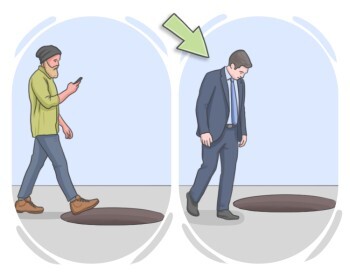
Ex: The restaurant was noisy and crowded, making for an unpleasant dining experience. 

Restoran itu ramai dan penuh sesak, membuat pengalaman makan menjadi tidak menyenangkan.
Tutup
Masuk
careful
careful
[Adjektiva]

giving attention or thought to what we are doing to avoid doing something wrong, hurting ourselves, or damaging something

hati-hati, waspada

hati-hati, waspada

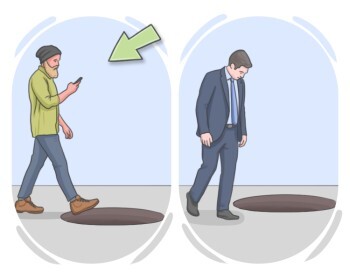
Ex: She was careful not to wake the sleeping baby. 

Dia hati-hati agar tidak membangunkan bayi yang sedang tidur.
Tutup
Masuk
careless
careless
[Adjektiva]

not paying enough attention to what we are doing

ceroboh, lalai

ceroboh, lalai

Ex: He was so careless with his words, often saying things without thinking. 

Dia sangat ceroboh dengan kata-katanya, sering mengatakan sesuatu tanpa berpikir.

Tutup
Masuk
polite
polite
[Adjektiva]

showing good manners and respectful behavior towards others

sopan, hormat

sopan, hormat

Ex: The job interviewee was polite and respectful during the interview. 

Pelamar kerja itu sopan dan hormat selama wawancara.

Tutup
Masuk
impolite
impolite
[Adjektiva]

having bad manners or behavior

tidak sopan, kasar

tidak sopan, kasar

Ex: The actor was impolite and refused to sign autographs for his fans. 

Aktor itu tidak sopan dan menolak menandatangani autograf untuk penggemarnya.

Tutup
Masuk
friendly
friendly
[Adjektiva]

(of a person or their manner) kind and nice toward other people

ramah, bersahabat

ramah, bersahabat

Ex: Despite his fame, he is a friendly and approachable person. 
Tutup
Masuk
unfriendly
unfriendly
[Adjektiva]

not kind or nice toward other people

tidak ramah, permusuhan

tidak ramah, permusuhan

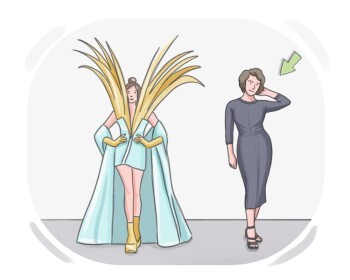
Ex: The hotel staff were unfriendly and not very helpful. 

Staf hotel tidak ramah dan tidak terlalu membantu.
Tutup
Masuk
usual
usual
[Adjektiva]

conforming to what is generally anticipated or considered typical

biasa, lazim

biasa, lazim

Ex: The usual procedure involves filling out the form first. 

Prosedur biasa melibatkan pengisian formulir terlebih dahulu.

Tutup
Masuk
unusual
unusual
[Adjektiva]

not commonly happening or done

tidak biasa, jarang terjadi

tidak biasa, jarang terjadi

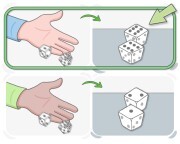
Ex: His quiet behavior at the party was unusual. 

Perilakunya yang tenang di pesta itu tidak biasa.
Tutup
Masuk
lucky
lucky
[Adjektiva]

having or bringing good luck

beruntung, membawa keberuntungan
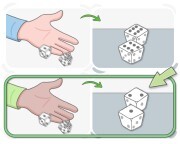
beruntung, membawa keberuntungan

Ex: He felt lucky to have seen a shooting star. 
Tutup
Masuk
unlucky
unlucky
[Adjektiva]

having or bringing bad luck

sial, bernasib buruk

sial, bernasib buruk

Ex: She was unlucky not to be selected for the job. 

Dia sial karena tidak terpilih untuk pekerjaan itu.

Tutup
Masuk
complete
complete
[Adjektiva]

having all the necessary parts

lengkap, utuh
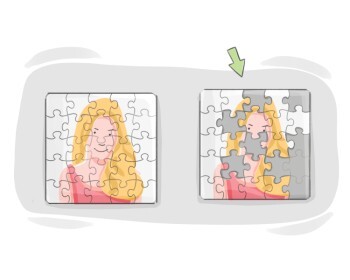
lengkap, utuh

Ex: He was happy to see a complete rainbow after the rain. 
Tutup
Masuk
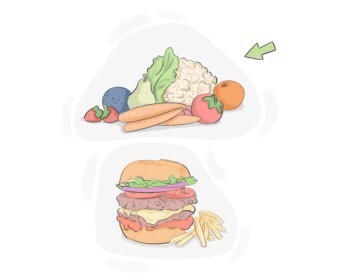
incomplete
incomplete
[Adjektiva]

not having all the necessary parts

tidak lengkap, belum selesai

tidak lengkap, belum selesai

Ex: The building seems incomplete as the windows are still missing. 

Bangunan itu terlihat belum selesai karena jendelanya masih belum ada.
Tutup
Masuk
healthy
healthy
[Adjektiva]

making someone feel well or showing good health

sehat, bergizi
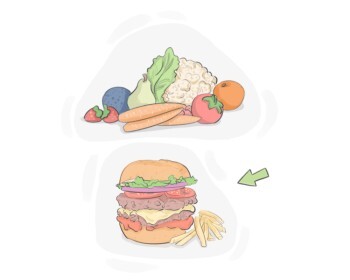
sehat, bergizi

Ex: A good night's sleep is necessary for staying healthy. 
Tutup
Masuk
unhealthy
unhealthy
[Adjektiva]

likely to make someone sick

tidak sehat, berbahaya bagi kesehatan

tidak sehat, berbahaya bagi kesehatan

Ex: Skipping breakfast every day is unhealthy and can slow down your metabolism. 

Melewatkan sarapan setiap hari tidak sehat dan dapat memperlambat metabolisme Anda.
Tutup
Masuk
popular
popular
[Adjektiva]

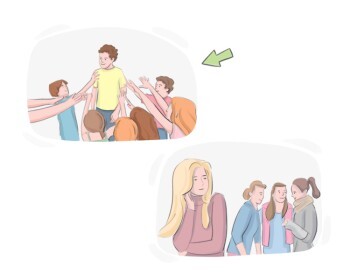
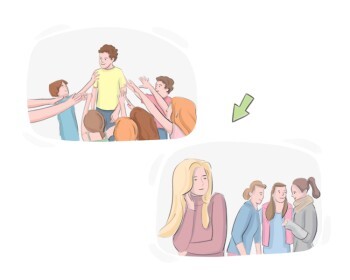
receiving a lot of love and attention from many people

populer, dicintai
populer, dicintai

Ex: The new burger joint downtown quickly became popular due to its unique flavors. 
Tutup
Masuk
unpopular
unpopular
[Adjektiva]

not liked or approved of by a large number of people

tidak populer

tidak populer

Ex: Jazz is an unpopular music genre among the younger generation. 

Jazz adalah genre musik yang tidak populer di kalangan generasi muda.
Tutup
Masuk
safe
safe
[Adjektiva]

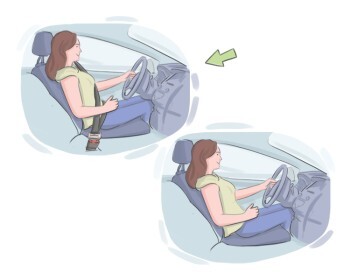
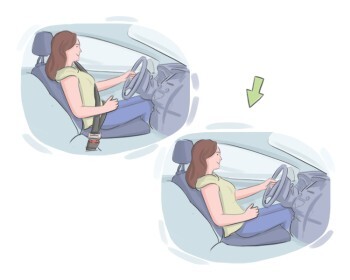
protected from any danger

aman, terlindungi
aman, terlindungi

Ex: The children are quite safe here, playing under the watchful eye of their parents. 
Tutup
Masuk
unsafe
unsafe
[Adjektiva]

having a high degree of risk or danger

berbahaya, berisiko tinggi

berbahaya, berisiko tinggi

Ex: The old minefield was marked as an unsafe area due to the risk of unexploded devices. 

Ladang ranjau tua itu ditandai sebagai area tidak aman karena risiko perangkat yang tidak meledak.
Tutup
Masuk
well
well
[Adjektiva]

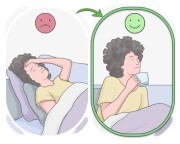
having good health, especially after recovering from an illness or injury

sehat, baik
sehat, baik

Ex: Despite the accident, the athlete was determined to get back on the field as soon as he felt well. 
Tutup
Masuk
unwell
unwell
[Adjektiva]

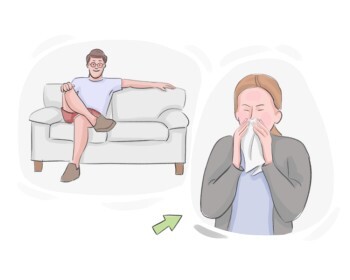
not feeling physically or mentally healthy or fit

sakit, tidak sehat

sakit, tidak sehat

Ex: The employee was unwell and had to take a few days off work. 

Karyawan itu tidak sehat dan harus mengambil cuti beberapa hari.
Tutup
Masuk
important
important
[Adjektiva]

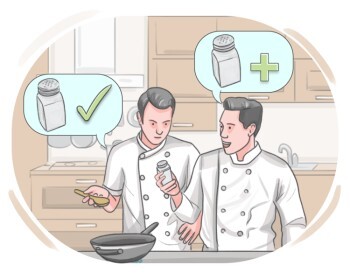
having a lot of value

penting, krusial

penting, krusial

Ex: Conserving water is important for the sustainable use of natural resources. 

Menghemat air penting untuk penggunaan sumber daya alam yang berkelanjutan.
Tutup
Masuk
unimportant
unimportant
[Adjektiva]

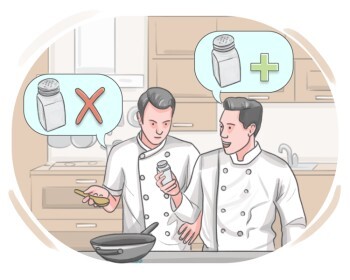
having no value or significance

tidak penting, tidak berarti

tidak penting, tidak berarti

Ex: His unkind words were unimportant to her because she knew her worth. 

Kata-katanya yang tidak baik tidak penting baginya karena dia tahu nilainya.
Tutup
Masuk
possible
possible
[Adjektiva]

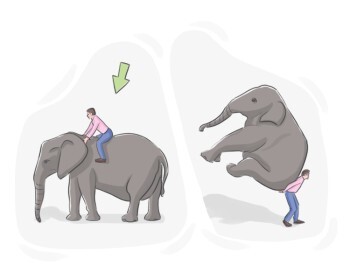
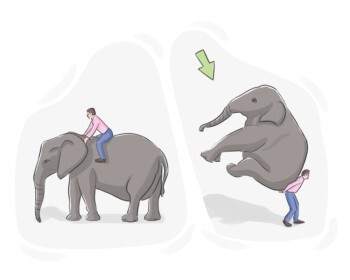
able to exist, happen, or be done

mungkin, bisa dilakukan

mungkin, bisa dilakukan

Ex: It is possible to learn a new language at any age. 

Mungkin untuk mempelajari bahasa baru di usia berapa pun.
Tutup
Masuk
impossible
impossible
[Adjektiva]

not able to occur, exist, or be done

tidak mungkin, mustahil
tidak mungkin, mustahil

Ex: Despite all his efforts, he found it impossible to forget his past. 
Tutup
Masuk
formal
formal
[Adjektiva]

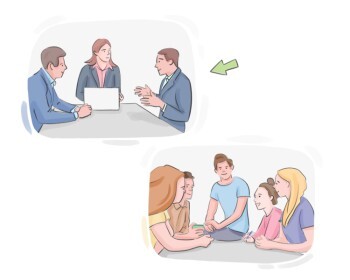
suitable for fancy, important, serious, or official occasions and situations

formal, resmi
formal, resmi

Ex: Formal education typically takes place in schools or universities. 
Tutup
Masuk
informal
informal
[Adjektiva]

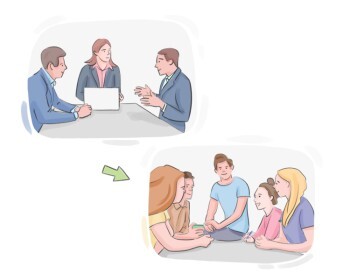
relaxed, casual, and suitable for ordinary or friendly situations rather than formal occasions

informal

informal

Ex: Daniel wore informal clothes to the weekend gathering. 
Tutup
Masuk
dead
dead
[Adjektiva]

not alive anymore

mati, meninggal

mati, meninggal

Ex: I saw a dead bird on the pavement. 

Saya melihat burung mati di trotoar.

Tutup
Masuk
alive
alive
[Adjektiva]

continuing to exist, breathe, and function

hidup, masih hidup

hidup, masih hidup

Ex: The plant appeared to be dead during the winter, but it came alive again in the spring. 

Tanaman itu tampak mati selama musim dingin, tetapi menjadi hidup lagi di musim semi.

Tutup
Masuk
LanGeek
Unduh aplikasi LanGeek