
Il libro Headway - Pre-intermedio - Unità 12
Qui troverai il vocabolario dell'Unità 12 del libro di corso Headway Pre-Intermediate, come "coincidenza", "logico", "riunire", ecc.
Ripasso
Flashcard
Ortografia
Quiz


to arrive at or reach a specified place or destination

venire
Il treno da Boston arriva presto.
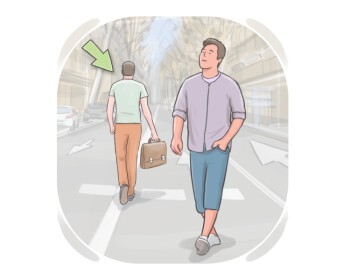
to travel or move from one location to another
andare
Non sarebbe più conveniente andare in autobus?
to remove something or someone from a specific place
prendere
Il cameriere ha tolto i piatti vuoti dal tavolo.
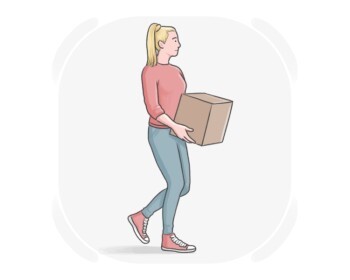
to come to a place with someone or something
portare
Lei ha portato la sua amica alla festa.
to order food from a restaurant and consume it elsewhere
cibo da asporto
Non ho voglia di cucinare stasera, quindi prendiamo semplicemente una pizza da asporto per una serata accogliente a casa.
to return a previously bought item to a seller in order to receive a refund
riprendere
Se le scarpe non soddisfano le tue aspettative, puoi riportarle al negozio.
to assist individuals in solving disagreements and becoming closer
riunisci
I colloqui diplomatici hanno avvicinato le nazioni, lavorando verso la risoluzione dei conflitti internazionali.
to transition from being awake to being asleep
dormire
to become a reality or be realized, typically in reference to a previously hoped for or desired outcome
avverare
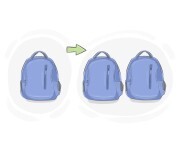
to increase something by two times its original amount or value
duplicare
Quando raddoppi la quantità di ingredienti in una ricetta, fai il doppio del cibo.
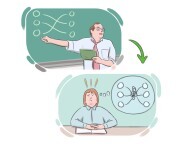
to make someone unable to think clearly or understand something
confondere
a situation in which two things happen simultaneously by chance that is considered unusual
coincidenza
La somiglianza tra le loro storie sembrava più di una semplice coincidenza.
a sequence of related items, events, or actions that follow one after the other in a particular order
fila
to turn over or move into a different position with a sudden, quick movement
ritornare
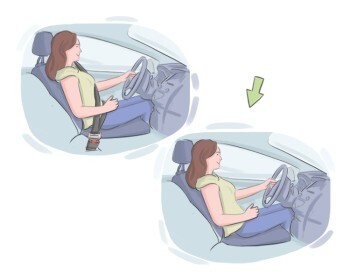
involving the possibility of loss, danger, harm, or failure
rischioso
Scalare il Monte Everest è noto per le sue condizioni rischiose e il tempo imprevedibile.
the absence or insufficiency of something, often implying a deficiency or shortage
mancanza
La comunità ha affrontato una grave mancanza di risorse sanitarie.
used to describe the typical or average value or amount based on a set of data or observations
in media
Il ristorante serve in media 200 clienti al giorno.
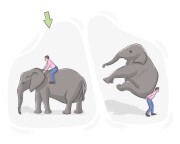
based on sound reasoning or consistent with the principles of logic
logico

a person who participates in games of chance or bets on uncertain outcomes, often with the aim of winning money or other prizes
azzardo
Il giocatore ha studiato attentamente le probabilità prima di piazzare la sua prossima scommessa.
