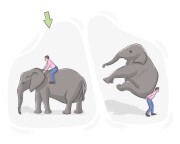

to arrive at or reach a specified place or destination

来,到达
信终于到了。
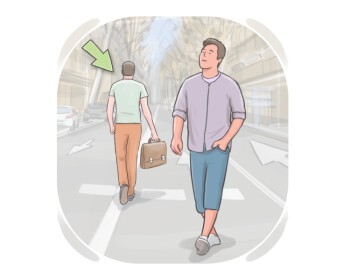
to travel or move from one location to another
去,移动
他们去过澳大利亚两次,并且很喜欢那次经历。
to remove something or someone from a specific place
拿,移除
服务员从桌子上拿走了空盘子。
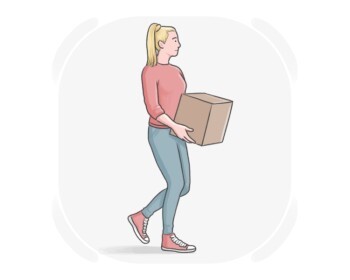
to come to a place with someone or something
带来,携带
她带了她的朋友来参加聚会。
to order food from a restaurant and consume it elsewhere
带走,外卖
在办公室度过了漫长的一天后,我只想放松一下,所以我打算在回家的路上带走一些印度食物。
to return a previously bought item to a seller in order to receive a refund
退回,退还
由于故障,顾客决定退回电子设备。
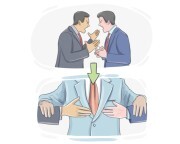
to assist individuals in solving disagreements and becoming closer
团结,拉近
共同的目标让志愿者们为了一个社区项目走到了一起。

to transition from being awake to being asleep
to become a reality or be realized, typically in reference to a previously hoped for or desired outcome
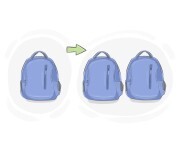
to increase something by two times its original amount or value
加倍
当你加倍食谱中的食材量时,你会做出两倍的食物。
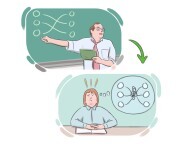
to make someone unable to think clearly or understand something
使困惑, 使迷惑
a situation in which two things happen simultaneously by chance that is considered unusual
巧合
他们故事之间的相似性似乎不仅仅是巧合。
a sequence of related items, events, or actions that follow one after the other in a particular order
连续,一系列
球队庆祝了他们本赛季的第五场连胜。
to turn over or move into a different position with a sudden, quick movement
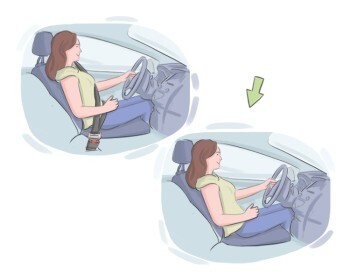
involving the possibility of loss, danger, harm, or failure
有风险的,危险的
攀登珠穆朗玛峰以其危险的条件和不可预测的天气而闻名。
the absence or insufficiency of something, often implying a deficiency or shortage
缺乏,不足
社区面临着医疗资源的严重缺乏。
used to describe the typical or average value or amount based on a set of data or observations
平均
工人平均每小时赚20美元。