pattern

本 Interchange - 中級 - ユニット10 - パート1

ここでは、Interchange Intermediateコースブックのユニット10 - パート1からの語彙を見つけることができます。例えば「協力する」、「理想的な」、「効果的な」など。

レビュー

フラッシュカード

語形

綴り

クイズ
学習を開始
Interchange - Intermediate
to evaluate
to evaluate
[動詞]

to judge the quality, importance, value, or effectiveness of someone or something

Ex: The committee will evaluate each proposal before making a decision. 
information
information
[名詞]

facts or knowledge related to a thing or person

情報, 知識

情報, 知識

Ex: She shared important information about the upcoming event. 

彼女は今後のイベントについて重要な情報を共有しました。

to communicate

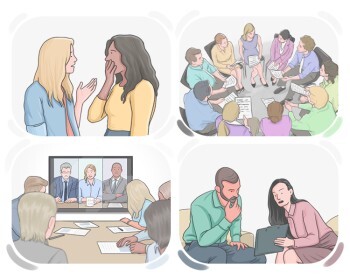
to exchange information, ideas, or feelings with another person or group

コミュニケーションをとる,  連絡する

コミュニケーションをとる, 連絡する

Ex: Emma communicates with her parents by video call every weekend. 
to analyze
to analyze
[動詞]

to examine or study something in detail in order to explain or understand it

分析する, 検討する
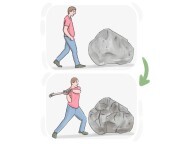
分析する, 検討する

Ex: The detective spent hours analyzing the evidence to solve the complex case. 
to solve
to solve
[動詞]

to find an answer or solution to a question or problem

解決する, 解く
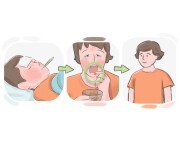
解決する, 解く

Ex: The team collaborated to solve the technical issues with the website. 
effective
effective
[形容詞]

achieving the intended or desired result

効果的な, 有効な

効果的な, 有効な

Ex: The effective marketing campaign boosted sales significantly. 

効果的なマーケティングキャンペーンが売り上げを大幅に伸ばしました。

creative
creative
[形容詞]

using imagination and original ideas to create or develop something

using imagination and original ideas to create or develop something
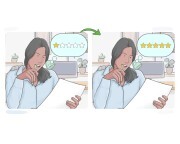
using imagination and original ideas to create or develop something

Ex: Emma found a creative way to organize the small apartment. 
knowledge
knowledge
[名詞]

an understanding of or information about a subject after studying and experiencing it

知識,  知恵

知識, 知恵

Ex: Experience working in the field provided Sarah with valuable knowledge about environmental conservation. 
responsibility

the obligation to perform a particular duty or task that is assigned to one

責任, 義務

責任, 義務

Ex: As the event organizer, she has the responsibility of coordinating all logistics. 
fluency
fluency
[名詞]

the quality of being able to speak or write very well and easily in a foreign language

流暢さ, 熟達

流暢さ, 熟達

Ex: She achieved fluency in Spanish after living in Mexico for two years. 

彼女はメキシコに2年間住んだ後、スペイン語の流暢さを達成しました。

flexibility
flexibility
[名詞]

the quality of being able to bend easily without breaking or being damaged

柔軟性,  屈曲性

柔軟性, 屈曲性

Ex: Yoga can improve flexibility in the hips and shoulders. 
to collaborate

to work with someone else in order to create something or reach the same goal

協力する, 共同で作業する

協力する, 共同で作業する

Ex: The researchers collaborated on a groundbreaking study in neuroscience. 

研究者たちは神経科学における画期的な研究で協力しました。

critical
critical
[形容詞]

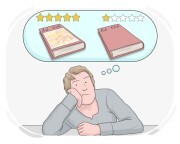
noting or highlighting mistakes or imperfections

批判的な, 厳しい

批判的な, 厳しい

Ex: She gave a critical review of the movie, focusing on its weak plot. 

彼女は映画の弱いプロットに焦点を当てた批判的なレビューをした。

besides
besides
[副詞]

used to add extra information or to introduce a reason that supports what was just said

その上, さらに

その上, さらに

Ex: I don't want to go.  Besides, I'm feeling tired. 

私は行きたくない。その上、疲れを感じている。

to agree
to agree
[動詞]

to hold the same opinion as another person about something

同意する, 賛成する

同意する, 賛成する

Ex: She agreed with the teacher's comment about her essay. 
to disagree
to disagree
[動詞]

to have or express a different opinion from someone else

to have or express a different opinion from someone else

to have or express a different opinion from someone else

Ex: Emma disagrees with her brother about how to spend their savings. 
to love
to love
[動詞]

to have very strong feelings for someone or something that is important to us and we like a lot and want to take care of

愛する, 大好きだ

愛する, 大好きだ

Ex: She loved him from the moment they met. 
to hate
to hate
[動詞]

to really not like something or someone

憎む, 嫌う

憎む, 嫌う

Ex: They hate losing games because they are competitive 
to mind
to mind
[動詞]

(often used in negative or question form) to be upset, offended, or bothered by something

気にする, 嫌がる

気にする, 嫌がる

Ex: She didn't mind waiting a few minutes for her friend to arrive. 
to stand
to stand
[動詞]

to be willing to accept or tolerate a difficult situation

耐える, 我慢する
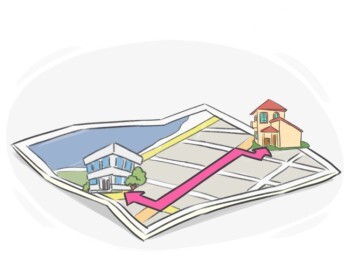
耐える, 我慢する

Ex: As a parent, you learn to stand the occasional chaos and mess that comes with having young children. 
to commute
to commute
[動詞]

to regularly travel to one's place of work and home by different means

通勤する, 定期的に仕事場へ通う

通勤する, 定期的に仕事場へ通う

Ex: The introduction of a company shuttle has made it easier for employees to commute. 

会社のシャトルの導入により、従業員の通勤が楽になりました。

to work
to work
[動詞]

to do certain physical or mental activities in order to achieve a result or as a part of our job

働く
働く

Ex: They work hard to meet the deadline. 
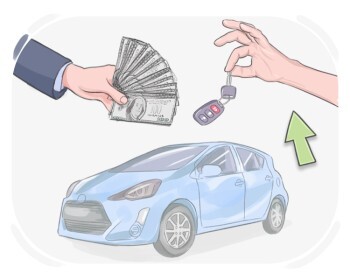
to sell
to sell
[動詞]

to give something to someone in exchange for money

売る, 販売する
売る, 販売する

Ex: The fashion brand sold millions of units of their new fragrance. 
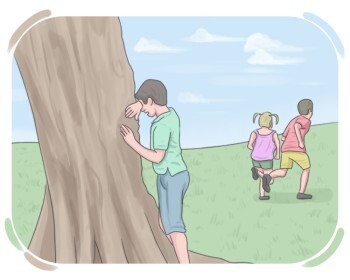
to play
to play
[動詞]

to take part in a game or activity for fun

遊ぶ, 楽しむ

遊ぶ, 楽しむ

Ex: Let's play a game of charades instead. 
to like
to like
[動詞]

to feel that someone or something is good, enjoyable, or interesting

好き, 楽しむ

好き, 楽しむ

Ex: They have never liked horror movies. 
to enjoy
to enjoy
[動詞]

to take pleasure or find happiness in something or someone

楽しむ, 好む

楽しむ, 好む

Ex: We enjoyed the movie so much that we watched it twice. 
so
so
[副詞]

used to indicate that something else is true in a similar way

そう, 同様に

そう, 同様に

Ex: Times have changed, and so have I. 

時代は変わった、そして私もそう。

neither
neither
[副詞]

used to indicate that something is not one thing nor the other in a given context or situation

どちらも〜ない, もまた〜ない

どちらも〜ない, もまた〜ない

to deal
to deal
[動詞]

to engage in activities or behavior aimed at resolving or improving a situation involving someone or something

対処する, 処理する
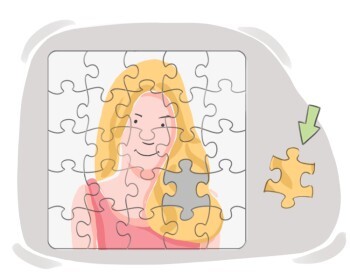
対処する, 処理する

Ex: They dealt with the budget cuts by prioritizing essential projects. 
part
part
[名詞]

any of the pieces making a whole, when combined

部分, 構成要素

部分, 構成要素

Ex: The living room is my favorite part of the house because it's where we relax and spend time together. 
to [meet] a [deadline|target]

to complete a task or project before a specific time or date that has been agreed upon or set as a requirement

Ex: She worked late to meet the deadline for the report. 
to lead
to lead
[動詞]

to guide or show the direction for others to follow

導く, 案内する

導く, 案内する

Ex: The tour guide led us through the museum. 
skill
skill
[名詞]

an ability to do something well, especially after training

スキル, 技能
スキル, 技能

Ex: She honed her skill in photography through years of dedicated practice. 
decision
decision
[名詞]

a choice or judgment that is made after adequate consideration or thought

決定, 選択

決定, 選択

Ex: It's important to take your time when making a significant decision that could impact your future. 
ideal
ideal
[形容詞]

representing the best possible example or standard

理想的, 完璧
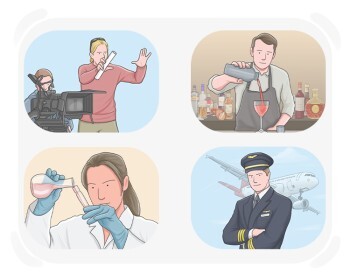
理想的, 完璧

Ex: The peaceful garden provided the ideal setting for a romantic picnic. 
career
career
[名詞]

a profession or a series of professions that one can do for a long period of one's life

キャリア, 職業
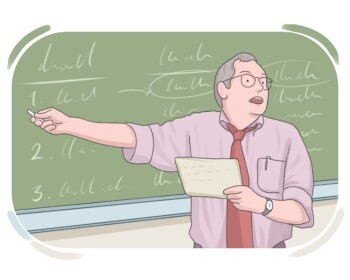
キャリア, 職業

Ex: Nursing offers a rewarding career helping others in need. 
teacher
teacher
[名詞]

someone who teaches things to people, particularly in a school

教師, 先生

教師, 先生

Ex: The teacher gives the students stickers for their good work. 
banker
banker
[名詞]

a person who owns a bank or holds an important position in one

銀行家
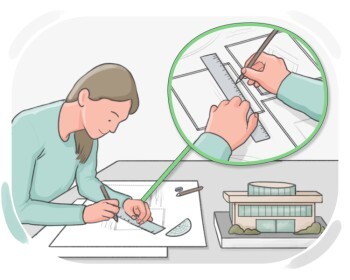
銀行家

Ex: Laura worked as a banker in Chicago for nearly twenty years. 
architect
architect
[名詞]

a person whose job is to design buildings and often oversee their construction

Ex: Emma hired an architect to design her new house. 
accountant
accountant
[名詞]

a person whose job is to prepare, keep, or examine financial records and accounts

Ex: She works as an accountant for a small technology company. 
doctor
doctor
[名詞]

someone who has studied medicine and treats sick or injured people

医者, 博士

医者, 博士

Ex: The doctor performed a surgery on my grandfather to remove his appendix. 
lawyer
lawyer
[名詞]

a person who practices or studies law, advises people about the law or represents them in court

弁護士, 法律家

弁護士, 法律家

Ex: Many lawyers specialize in specific areas of law, such as criminal defense, family law, or corporate law. 
marine biologist

a scientist who studies the plants and animals that live in the ocean and other saltwater environments

海洋生物学者, 生物海洋学者

海洋生物学者, 生物海洋学者

Ex: The marine biologist studied coral reef ecosystems. 

海洋生物学者はサンゴ礁の生態系を研究した。

songwriter
songwriter
[名詞]

someone who writes the words of songs and sometimes their music

ソングライター, 作詞家

ソングライター, 作詞家

Ex: The songwriter penned a heartfelt ballad that resonated with fans worldwide. 

ソングライターは、世界中のファンに共感を呼んだ心温まるバラードを書いた。

flight attendant

a person who works on a plane to bring passengers meals and take care of them

客室乗務員, フライトアテンダント

客室乗務員, フライトアテンダント

Ex: She's been working as a flight attendant for ten years, enjoying the opportunity to travel. 

彼女は10年間客室乗務員として働き、旅行する機会を楽しんでいます。

to hire
to hire
[動詞]

to employ someone or pay them to do a particular job

雇う
雇う

Ex: The company plans to hire twenty new employees. 
personality
personality
[名詞]

all the qualities that shape a person's character and make them different from others

性格, 人格

性格, 人格

Ex: People find her independent personality quite appealing. 
LanGeek
LanGeekアプリをダウンロード