

pattern

本 Insight - 初歩 - ユニット9 - 9C

ここでは、Insight Elementary教科書のユニット9 - 9Cからの語彙を見つけることができます。例えば「惹きつける」、「装飾」、「教育する」など。

レビュー

フラッシュカード

語形

綴り

クイズ

学習を開始
Insight - Elementary
to achieve
to achieve
[動詞]

to finally accomplish a desired goal after dealing with many difficulties

達成する, 成し遂げる

達成する, 成し遂げる

Ex: After years of hard work and dedication, she finally achieved her dream of becoming a published author. 
achievement
achievement
[名詞]

the action or process of reaching a particular thing

達成, 実現

達成, 実現

Ex: He beamed with pride as he recounted his achievement of climbing the highest peak in the country. 
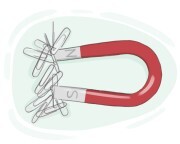
to attract
to attract
[動詞]

to interest and draw someone or something toward oneself through specific features or qualities

引きつける, 魅了する

引きつける, 魅了する

Ex: The vibrant colors of the flowers attracted butterflies to the garden. 
attraction
attraction
[名詞]

a quality or feature of someone or something that evokes interest, liking, or desire in others

魅力, 吸引力

魅力, 吸引力

Ex: Her kindness was a major attraction for everyone who met her. 
to celebrate
to celebrate
[動詞]

to do something special such as dancing or drinking that shows one is happy for an event

祝う, 祝賀する

祝う, 祝賀する

Ex: Every year, they celebrate their anniversary by going out for a romantic dinner. 
celebration
celebration
[名詞]

a gathering or event where people come together to honor someone or something, often with food, music, and dancing

祝賀,  祝典

祝賀, 祝典

Ex: The whole town came together for a grand celebration in honor of their mayor's reelection. 
to decorate
to decorate
[動詞]

to add beautiful things to something in order to make it look more attractive

飾る, 装飾する

飾る, 装飾する

Ex: During the holiday season, people decorate their homes with colorful lights, wreaths, and ornaments. 
decoration
decoration
[名詞]

an item added to make something look attractive or festive

装飾, 飾り

装飾, 飾り

Ex: They put up decorations for the party. 
to disappoint

to fail to meet someone's expectations or hopes, causing them to feel let down or unhappy

失望させる, がっかりさせる

失望させる, がっかりさせる

Ex: The movie's ending disappointed many viewers. 
disappointment

dissatisfaction that is resulted from the unfulfillment of one's expectations

失望

失望

Ex: Her face showed clear disappointment when she didn’t get the promotion she had worked so hard for. 
to enjoy
to enjoy
[動詞]

to take pleasure or find happiness in something or someone

楽しむ, 好む

楽しむ, 好む

Ex: She enjoys listening to classical music while working. 
enjoyment
enjoyment
[名詞]

the feeling of pleasure that someone experiences from an activity, a thing or a situation

楽しみ, 喜び

楽しみ, 喜び

Ex: He found great enjoyment in playing the piano every evening. 
to entertain
to entertain
[動詞]

to amuse someone so that they have an enjoyable time

楽しませる, 娯楽を提供する

楽しませる, 娯楽を提供する

Ex: The clown entertained the children at the birthday party with magic tricks and balloon animals. 
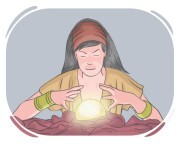
to predict
to predict
[動詞]

to say that something is going to happen before it actually takes place

予測する, 予言する

予測する, 予言する

Ex: The meteorologist predicted rain for the weekend based on weather patterns. 
prediction
prediction
[名詞]

the act of saying what one thinks is going to happen in the future or what the outcome of something will be

予測,  予言

予測, 予言

Ex: Her prediction about the weather was surprisingly accurate. 
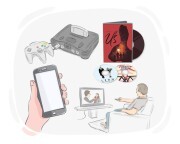
entertainment

movies, television shows, etc. or an activity that is made for people to enjoy

娯楽

娯楽

Ex: Music festivals provide entertainment for music lovers. 
to educate
to educate
[動詞]

to teach someone, often within a school or university setting

教育する, 教える

教育する, 教える

Ex: Schools exist to educate children. 
education
education
[名詞]

the process that involves teaching and learning, particularly at a school, university, or college

教育,  教育

教育, 教育

Ex: She pursued higher education by attending a prestigious university. 
to govern
to govern
[動詞]

to regulate or control a person, course of action or event or the way something happens

規制する, 制御する

規制する, 制御する

Ex: The new laws will govern how companies can handle customer data to ensure privacy and security. 
government
government
[名詞]

the group of politicians in control of a country or state

政府, 行政

政府, 行政

Ex: The government implemented new policies to improve the country's healthcare system and make it more accessible to all citizens. 
to inform
to inform
[動詞]

to give information about someone or something, especially in an official manner

知らせる, 通知する

知らせる, 通知する

Ex: The teacher informed the students about the upcoming exam schedule and its format. 
information
information
[名詞]

facts or knowledge related to a thing or person

情報, 知識

情報, 知識

Ex: She shared important information about the upcoming event. 
to donate
to donate
[動詞]

to freely give goods, money, or food to someone or an organization

寄付する, ドネーションする

寄付する, ドネーションする

Ex: Individuals often donate clothing to local shelters during the winter months. 
donation
donation
[名詞]

something that is voluntarily given to someone or an organization to help them, such as money, food, etc.

寄付, 貢献

寄付, 貢献

Ex: She made a donation to the local animal shelter. 
to amuse
to amuse
[動詞]

to make one's time enjoyable by doing something that is interesting and does not make one bored

楽しませる, 面白がらせる

楽しませる, 面白がらせる

Ex: She amused herself by reading a funny book on her commute. 
amusement
amusement
[名詞]

a feeling we get when somebody or something is funny and exciting

娯楽, 楽しみ

娯楽, 楽しみ

Ex: The comedian's jokes brought waves of laughter and amusement to the audience. 
to pay
to pay
[動詞]

to give someone money in exchange for goods or services

支払う, 報酬を支払う

支払う, 報酬を支払う

Ex: She paid the repairman to fix her broken dishwasher. 
payment
payment
[名詞]

an amount of money that is paid for something

支払い, 返済

支払い, 返済

Ex: His monthly payment for the loan is $200. 
LanGeek
LanGeekアプリをダウンロード